Demo AI is the software equivalent of a handshake from someone who clearly does not want to be there. It looks great for ninety seconds and falls apart the moment a real user touches it. The difference between AI that demos and AI that ships is not a better model. It is the boring ten percent nobody films for the launch video.
Here is the short version. A demo gets you to about ninety percent. Ninety percent is a feature you cannot put in front of a customer. Closing the gap from ninety to ninety-nine is what turns a demo into a product, and that gap is most of the work.
The test we hold every AI feature to
One question: would a real user reference this, or is it a demo feature. If the honest answer is "it would win a meeting," we have not shipped anything yet. We have made a slide that moves.
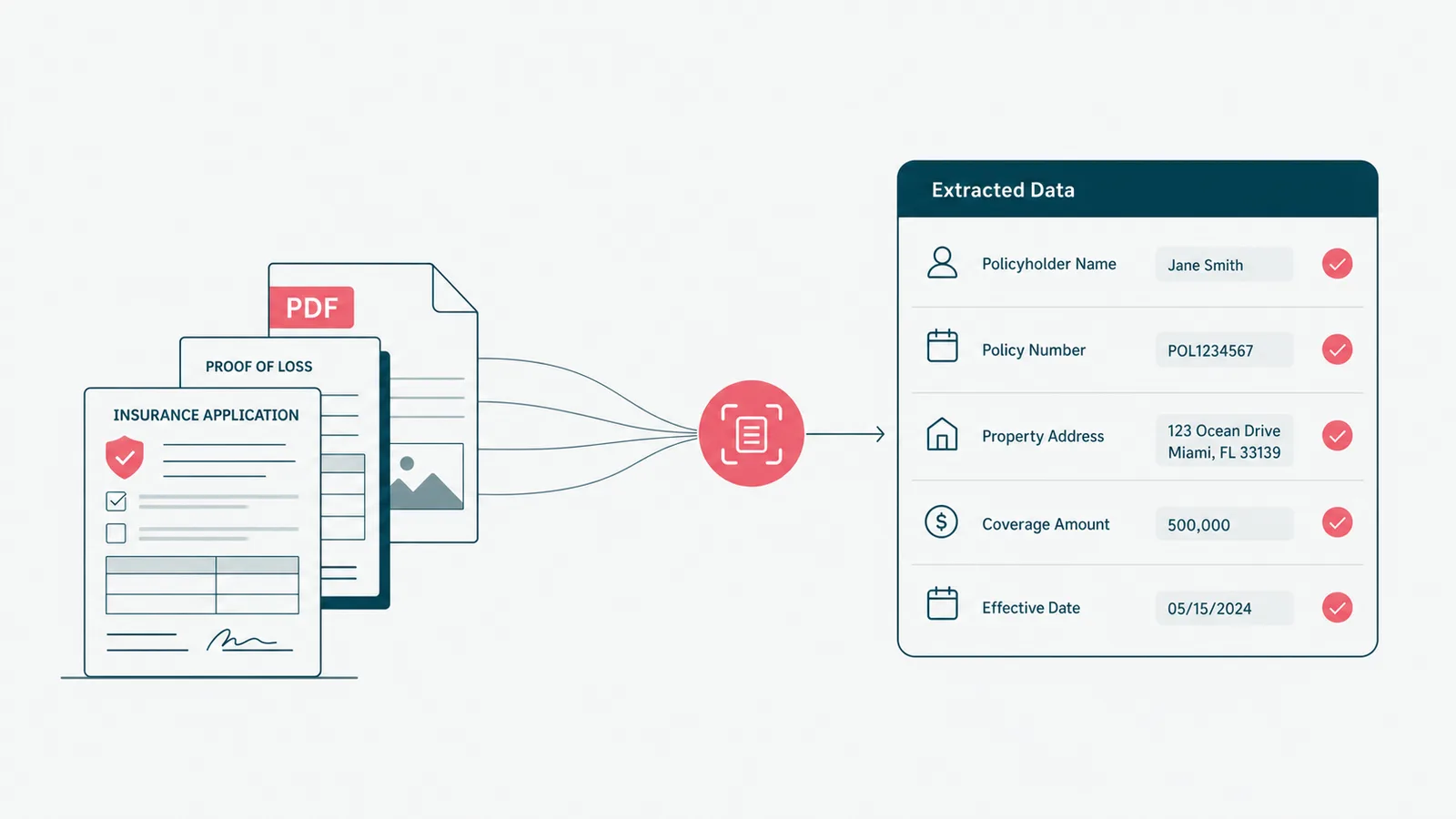
On a healthcare wellness platform we built AI-assisted intake. It reads a patient's lab PDFs, pulls out the values, and turns them into plain language a provider can use during the call, instead of jargon that scares the patient. We held it to the one test. A provider actually opens it. That is the bar.
Context beats the prompt
Teams spend a week wordsmithing a prompt when the cheapest accuracy win is sitting right there: examples. Going from zero examples to a handful of good ones, around fifteen, does more than any phrasing tweak. What you show the model matters more than how you phrase the request.
Quality of examples beats quantity, though. Past a point, more examples stop helping, and you are just feeding the context window snacks. Fifteen good ones beat a hundred mediocre ones, every time.
The unglamorous parts that make it real
- An evaluation harness, so you find out when the model quietly got worse instead of hearing it from a customer.
- Guardrails and a confidence threshold, so a low-confidence answer asks for help instead of guessing with feeling.
- A human in the loop where the stakes are real. In healthcare, the model drafts, a provider signs off.
- A fallback for the day the API is having a moment, because it will.
Taste is the moat
AI can now produce a hundred decent options in the time it used to take to make one. So the valuable skill stopped being production and became selection: the judgment to pick the option that lands. The model cannot reliably tell you which of its hundred answers is best. A person who has built the thing the hard way can. That taste is earned, which is the part the hype keeps forgetting.
When not to add AI at all
Sometimes the workflow wants a checklist, not a model. If an AI feature will not pay back the cost of running it, maintaining it, and explaining it to an auditor, we will tell you before you fund it. The fastest way to lose trust is to sell someone a model they did not need, and the second fastest is to ship one that demos.
Build the boring one. The boring one is the one people open on a Tuesday.