Picking dietitian practice management software should take less willpower than skipping dessert. (It rarely does. Every demo comes with a free trial and a suspiciously good salad photo.)
The best dietitian practice management software for most private practices in 2026 is Practice Better or Healthie. Healthie is cheaper while your client list is small, and Practice Better is cheaper once you need unlimited clients. Kalix suits insurance-heavy dietitians, Nutrium leads on nutrition analysis, and OptiMantra fits functional medicine clinics. Pick by client count, billing model and how much meal planning you do.
We build custom software for healthcare and wellness companies, including the client apps that sit on top of platforms like these. That shapes our view of when to build, not the shortlist. This guide covers what a dietitian needs from a platform, six options worth a trial, Practice Better against Healthie at every client count, meal planning, billing, and when to build instead.
A dietitian platform has to handle food, not just appointments
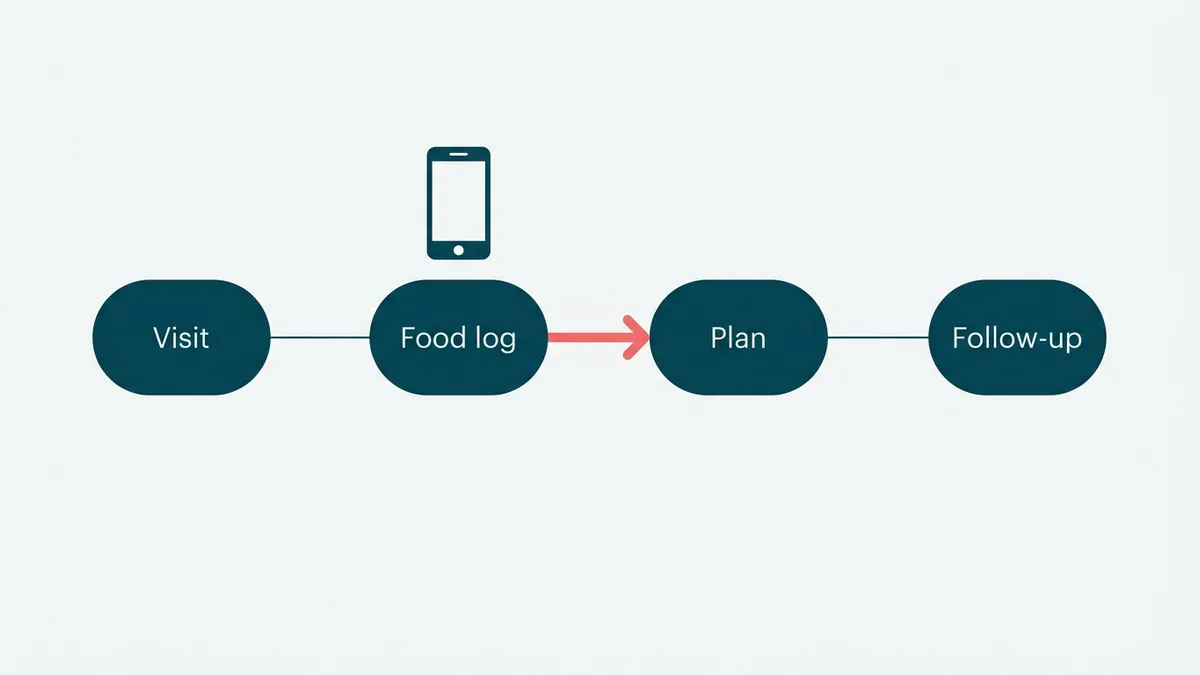
Generic practice software books the appointment and stores the note. A dietitian needs the week in between. Clients log meals and moods, you adjust the plan, and the follow-up starts from data instead of memory. (Our own food journals would not survive review. That is why we build software and leave the meal plans to professionals.)
The core of good dietitian software looks like this:
- Food and mood journals the client fills in from a phone
- Meal plans, ideally with nutrition analysis behind them
- Programs and courses, for group or self-paced coaching
- Superbills or claims, if you take insurance
- Telehealth and a client portal
- A supplement dispensary connection, such as Fullscript
Compliance depends on how you bill. HIPAA applies to covered entities, and a provider becomes one by sending standard electronic transactions such as insurance claims. HHS explains who is covered and links a decision tool. A cash-only practice may sit outside the rule. Your clients will not know the difference, so pick a platform that signs a business associate agreement either way.
Six platforms make most dietitian shortlists
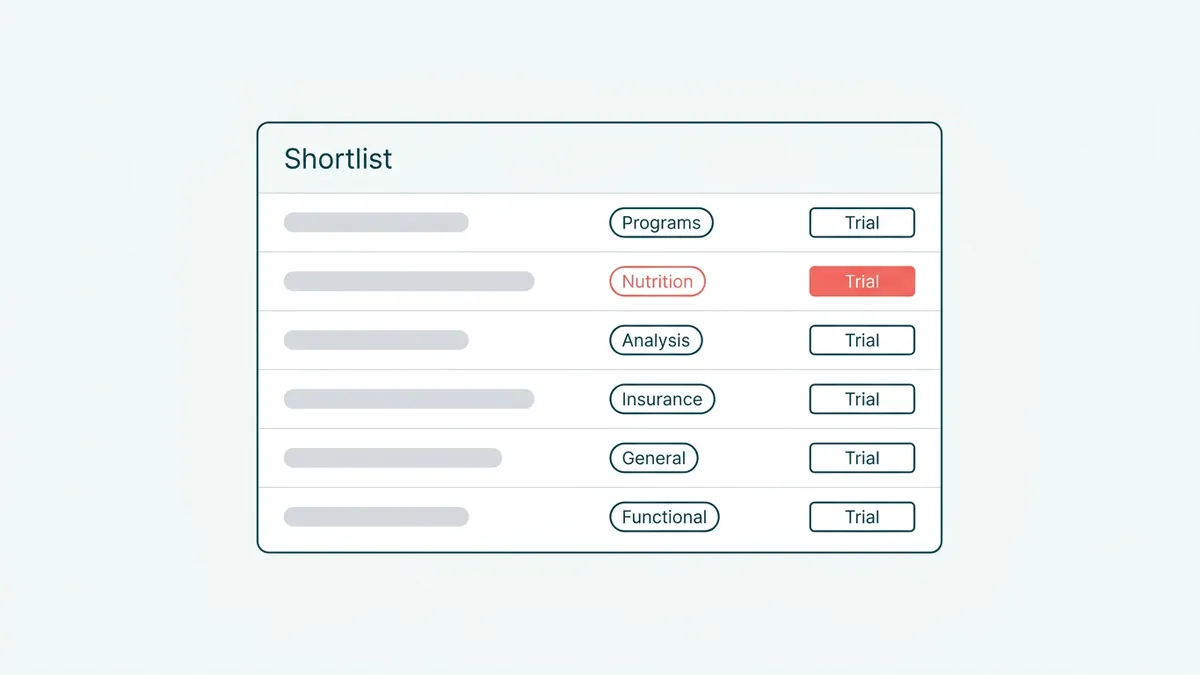
These six come up on almost every dietitian shortlist. Each was built for a slightly different practice, and it shows in the pricing. All prices are monthly list prices from each vendor's own pricing page, checked on November 8, 2026.
Practice Better
Built for nutrition and wellness practitioners, with programs and courses treated as a core feature. Starter is $35 a month for 10 clients, Professional is $69 for 300, Plus is $99 with unlimited clients, and Team is $155 with two practitioners included. Each extra practitioner is $50. Its AI charting assistant runs from $10 a month per practitioner, and a free Sprout plan covers students.
Healthie
An EHR with a dedicated nutrition offering that also sells itself as API infrastructure for digital health companies. Core is $19.99 a month for 10 active clients, Essentials is $49.99 for 250, Plus is $129.99 with unlimited clients, and Group runs from $149.99. Annual billing takes about 10% off. Per its nutrition page, the headline features are food and mood logging, a client app, and a ClaimMD connection for insurance billing.
Nutrium
The nutrition specialist of the group. Nutrition analysis, a recipe library and a client app sit at the core, and unlimited clients cost $39 a month, or $299 a year, per its pricing page. That page leads with nutrition tools rather than US insurance billing. If you bill insurance, test the claims side during the 14-day trial.
Kalix
Built around the billing side of a dietitian practice. Standard is $30 a month with unlimited clients, appointments, invoicing, superbills and insurance billing. Virtual Practice is $52 and adds telehealth, a client portal and a smartphone app. Electronic claims go through its clearinghouse for $17 a month per billing provider Tax ID.
SimplePractice
The general-purpose option, with a dedicated page for dietitians. Plans are $49, $79 and $99 a month, per its pricing page, and its Insurance Navigator add-on files claims at $1.79 each. It suits a dietitian who bills insurance and does not need meal plans inside the platform. Our mental health EHR guide breaks down its add-on stack in detail.
OptiMantra
An EMR for functional and integrative medicine clinics, where nutrition sits next to labs and supplements. Per its pricing page, it is $99 a month for the first practitioner and $49 for each additional one. E-prescribing with EPCS is $38 a month, insurance billing is $0.25 a claim, and AI charting is a $100 add-on.
Practice Better vs Healthie comes down to client count
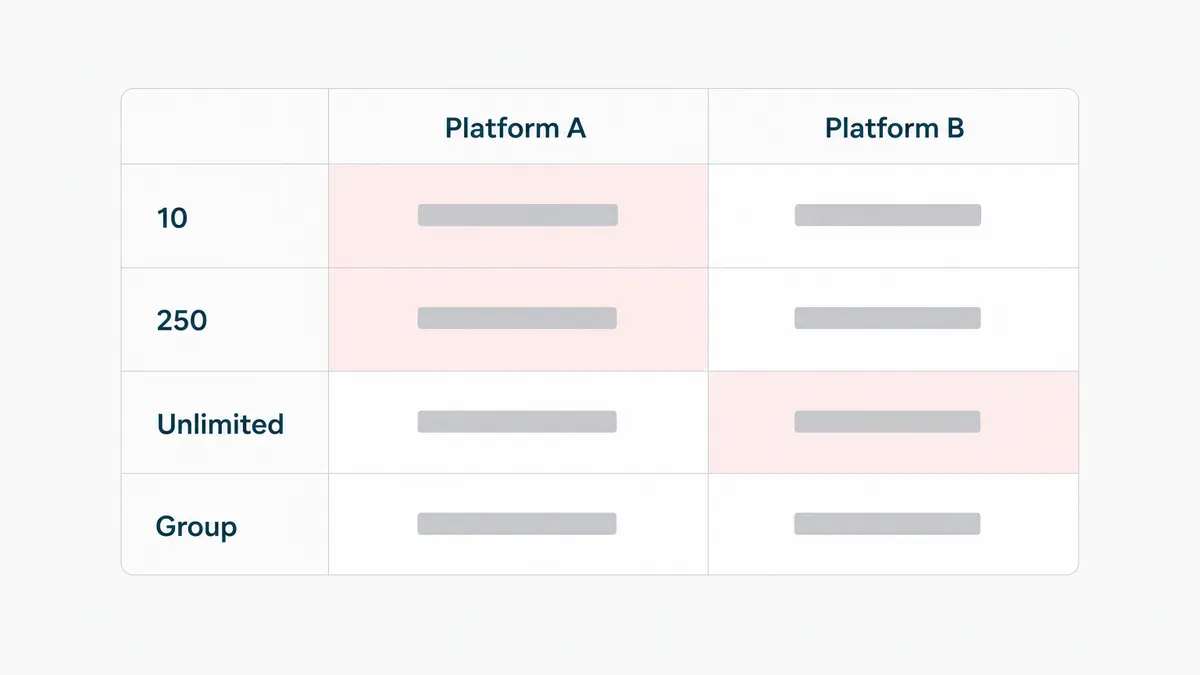
This is the head-to-head most dietitians end up running. The honest answer depends on how many clients you carry, so here it is tier by tier.
Monthly list prices from both pricing pages, billed monthly, checked November 8, 2026.
| Your practice | Healthie | Practice Better |
|---|---|---|
| Up to 10 clients | Core, $19.99 | Starter, $35 |
| Up to 250 or 300 clients | Essentials, $49.99 for 250 | Professional, $69 for 300 |
| Unlimited clients | Plus, $129.99 | Plus, $99 |
| A group practice | Group, from $149.99 | Team, $155 with two practitioners, then $50 each |
Below a few hundred clients, Healthie wins on price. At the unlimited tier, Practice Better wins by $30.99 a month, or about $372 a year, per the prices above.
Groups need one more line of math. Per its pricing page, a four-dietitian practice on Practice Better Team pays $255 a month: $155 with two practitioners included, plus two more at $50 each. Healthie lists Group from $149.99, so get a quote for your exact headcount before you compare.
Features split the tie. Pick Practice Better if you sell programs and courses, or want AI charting from $10 a month per practitioner. Pick Healthie if food and mood logging drives your follow-ups, if you bill through ClaimMD, or if you might want an API to build your own client experience later.
Whichever you choose, ask how you export client records before you sign. Leaving a platform should never turn into a scene from Seinfeld. No soup for you, no data either.
Dietitian practice management software, side by side
Monthly list prices from each vendor's pricing page, checked November 8, 2026.
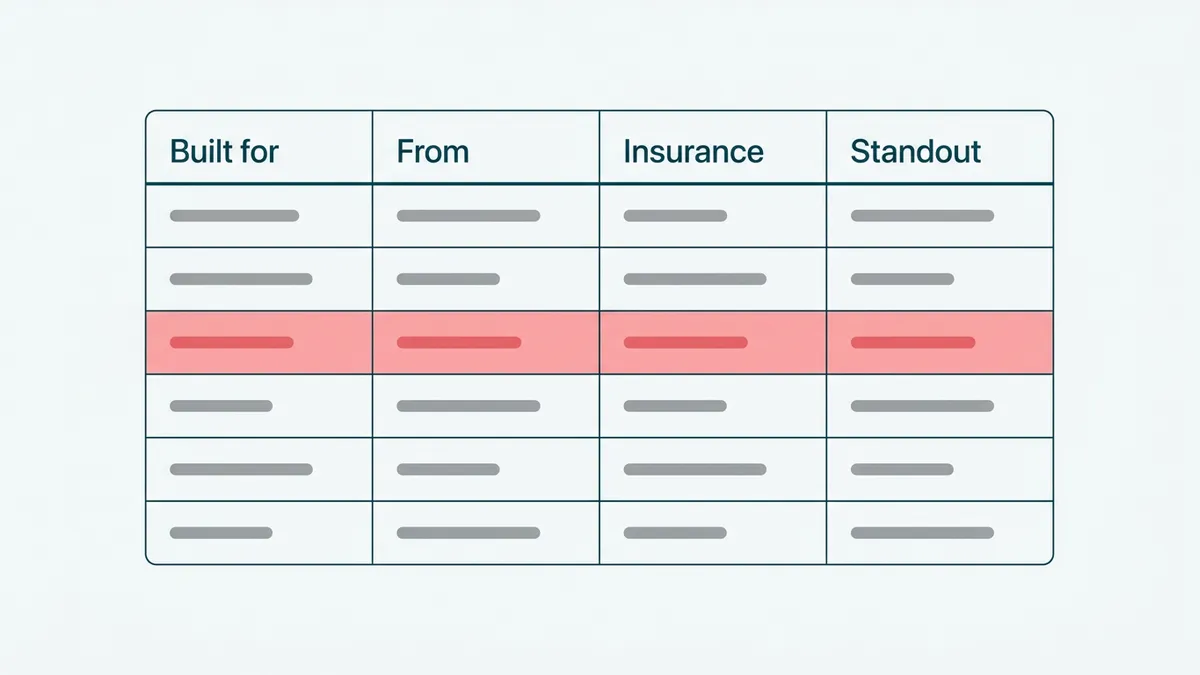
| Platform | Built for | From | Insurance billing | Standout |
|---|---|---|---|---|
| Practice Better | Programs and coaching | $35, or free Sprout | Yes, managed billing on Team | Programs and courses |
| Healthie | Nutrition and digital health | $19.99 for 10 clients | Through ClaimMD | Open API and SDKs |
| Nutrium | Nutrition analysis | $39, or $299 a year | Not on its pricing page | Nutrient analysis and recipes |
| Kalix | Insurance-heavy dietitians | $30 | Included, clearinghouse $17 | Superbills on both plans |
| SimplePractice | General private practice | $49 | $1.79 a claim | Widest add-on menu |
| OptiMantra | Functional medicine | $99 | $0.25 a claim | Labs and supplements |
The cheapest entry point is not the cheapest year. A practice that grows from 10 clients to 200 inside twelve months moves up a tier on both Practice Better and Healthie, so price the plan you will need in month nine, not month one.
Meal planning may still need its own tool
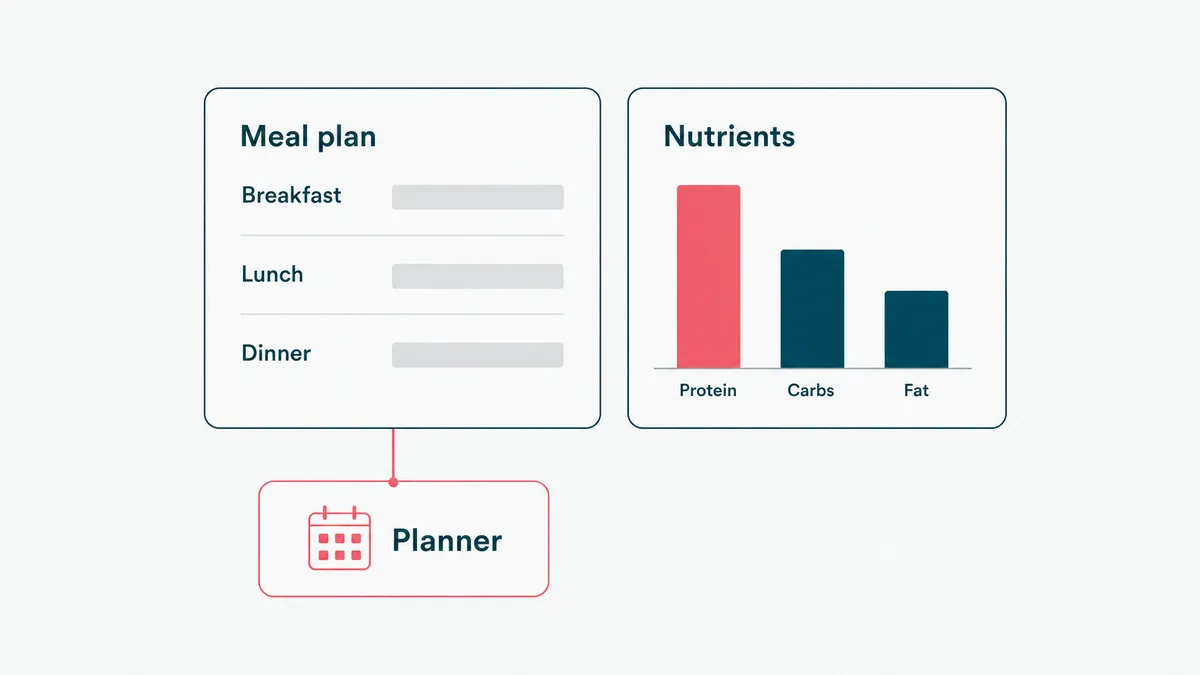
Practice platforms schedule, chart and bill well. Meal planning is where they differ most. Nutrium builds nutrition analysis and recipes into the core product. Healthie connects to LivingPlate, and Practice Better offers journaling and protocols. Many dietitians still add a dedicated planner such as That Clean Life, which runs from $30 a month, per its pricing page.
Before you pay for two tools, write one real meal plan in each trial. Use a client you know well, with at least one allergy. You will know within an hour which tool fights you.
Packages and programs are where the billing gets hard
Most nutrition practices sell more than single sessions. A 12-week package, a monthly membership, a group program with a start date. Each one is a small billing system in disguise.
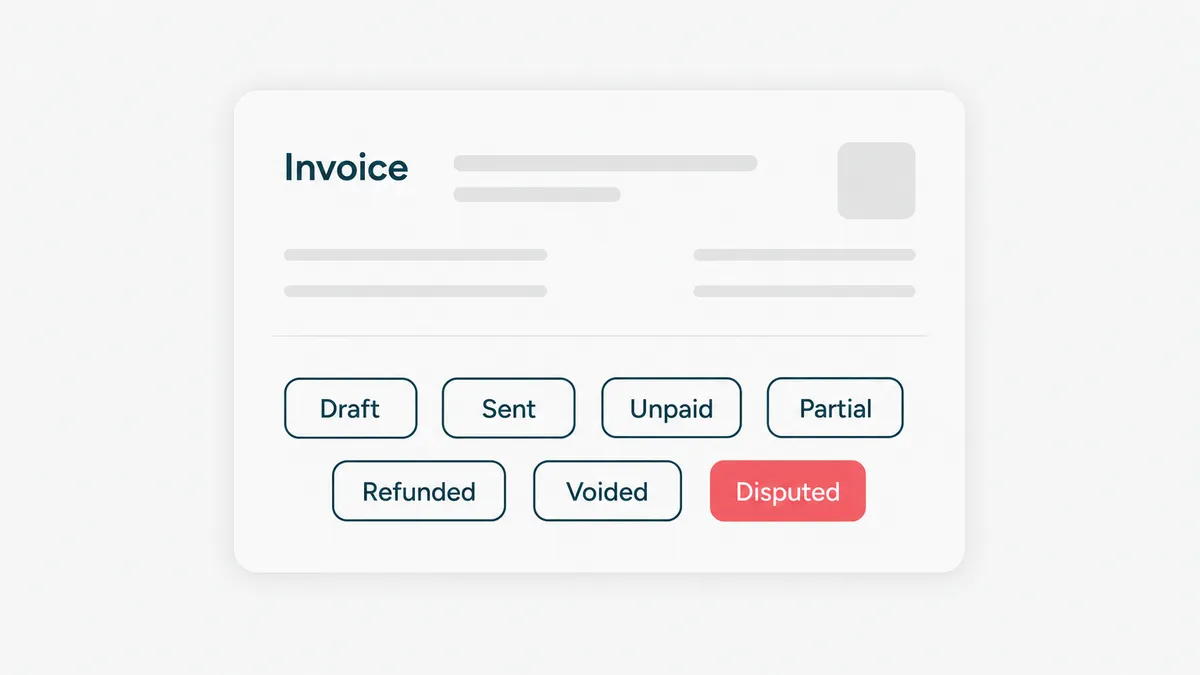
An invoice alone has seven states: draft, sent, unpaid, partially paid, refunded, voided and disputed. The demo shows one of them. Your Thursday afternoon will meet the other six, usually the disputed one, right after lunch.
So test the awkward paths during the trial:
- Pause a membership for a month and restart it.
- Refund half of a package after three sessions.
- Move a client from one program to another midway.
- Send a superbill for a session that was paid by card.
If the platform handles all four without a spreadsheet, it will handle your practice. If it needs a workaround for two of them, that workaround becomes your job every week.
Virtual nutrition companies build on a platform, not from scratch
A different buyer reads these lists too: the company delivering nutrition care at scale, with its own brand, app and care model. For them the question is not which platform. It is how much of the platform to own.
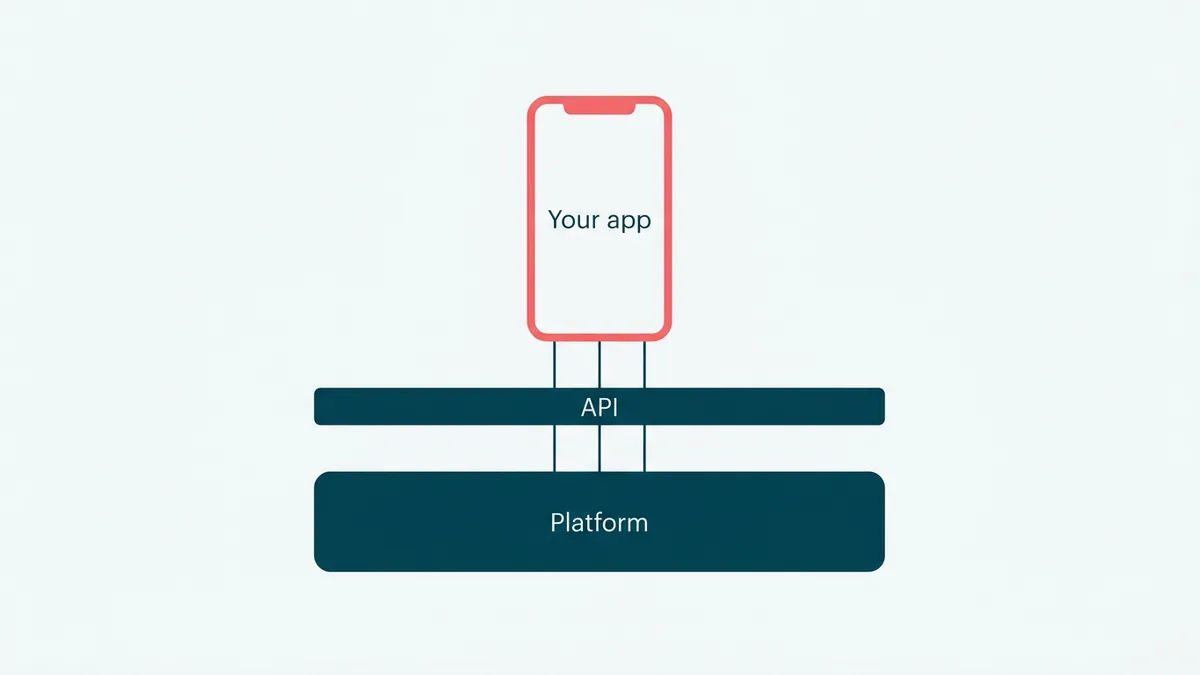
Healthie answers part of that with its API. Its developer page for digital health startups says everything in its interface is reachable through the API and SDKs, and it names Found, Kaia and Seven Starling as companies building on it.
That pattern is usually right. Rent the charting, billing and compliance plumbing. Build the client experience that makes you different. The hard work sits in the seams: syncing the app with the EHR, mapping programs to billing, and keeping one source of truth for every client.
That is the healthcare API integration and mobile health app work our team does. We start from the platform you already pay for, not a blank repository.

Most dietitians do not need custom software
A solo dietitian or a small group does not need custom software. Buy Practice Better or Healthie, configure it over a weekend, and spend the difference on getting clients.
We have made that call out loud before, in a different industry. Alina runs unconventional Kyiv tours, and a custom booking platform was on the table. For a solo founder it would have been sabotage, a dependency she would pay for forever. So we shipped a deliberately boring stack she runs alone: nine bookable tours, a booking form on each, and a blog she writes herself, 58 posts and counting. The AwesomeKyiv case study has the details. Same rule here.
The cheap test costs nothing. Practice Better has a free Sprout plan, Healthie trials its Plus plan for 14 days, and Nutrium and Kalix both offer free trials.
If your practice software needs more meal prep than your clients do, email us.