Picking the best EHR for mental health should take an afternoon, not twelve sessions and a referral. (Every vendor demo seems to run exactly 50 minutes. Coincidence, probably.)
The best EHR for mental health in 2026 is SimplePractice for most solo therapists and TherapyNotes for practices that live on insurance claims. Valant and ICANotes fit practices where someone prescribes. TheraNest prices groups per therapist, and Sessions Health is free until your fourth client. Everything else is detail, and the detail is mostly price.
We build custom software for mental health companies, so we have opinions about when to build. They do not change the shortlist below. This guide covers what a mental health EHR has to do, the seven systems worth a demo, a side-by-side table, what each really costs once the add-ons land, how to choose, and when to build instead.
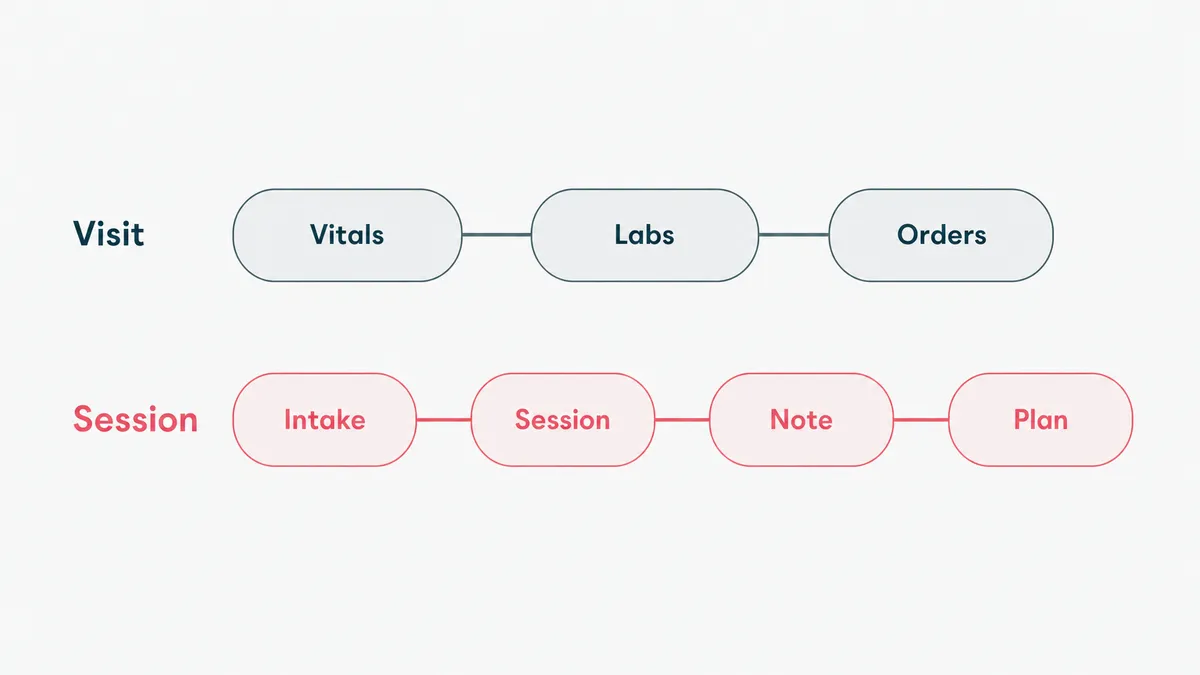
A mental health EHR is built around the session, not the visit
A medical EHR is organized around the visit: vitals, labs, orders, prescriptions. A mental health EHR is organized around the session, and the session has its own paperwork. If you know why the magic number is 53 minutes, you have billed a 90837. You also know the system has to understand time.
The core of a good mental health EHR looks like this:
- Progress notes in the format you already use (SOAP, DAP or BIRP), linked to a treatment plan
- Intake packets and consent forms, signed before session one
- Rating scales like the PHQ-9 and GAD-7, scored into the chart instead of a spreadsheet
- Telehealth that launches from the calendar
- Superbills and claims for time-based psychotherapy codes
- A client portal for booking, messages and payments
- Supervisor co-signing, for pre-licensed clinicians
- Roles, so a biller sees claims but never session notes
One requirement is legal, not cosmetic. HIPAA treats psychotherapy notes, the separate notes where a clinician analyzes a session, differently from the rest of the record. With few exceptions, you need the client's authorization before you disclose them for any reason, even to another provider for treatment. The HHS guidance on mental health information spells it out. A good mental health EHR keeps those notes in their own locked section. Not a folder called Misc.
Substance use treatment adds a second layer. Federally assisted programs fall under 42 CFR Part 2, and the updated rule allows a single client consent for all future treatment, payment and operations uses. HHS set the compliance date at February 16, 2026. If that is your world, ask every vendor to show you its consent records, not describe them.
If you run a physician practice rather than a therapy practice, the priorities flip toward e-prescribing and certification. Our small-practice EMR comparison covers that side.
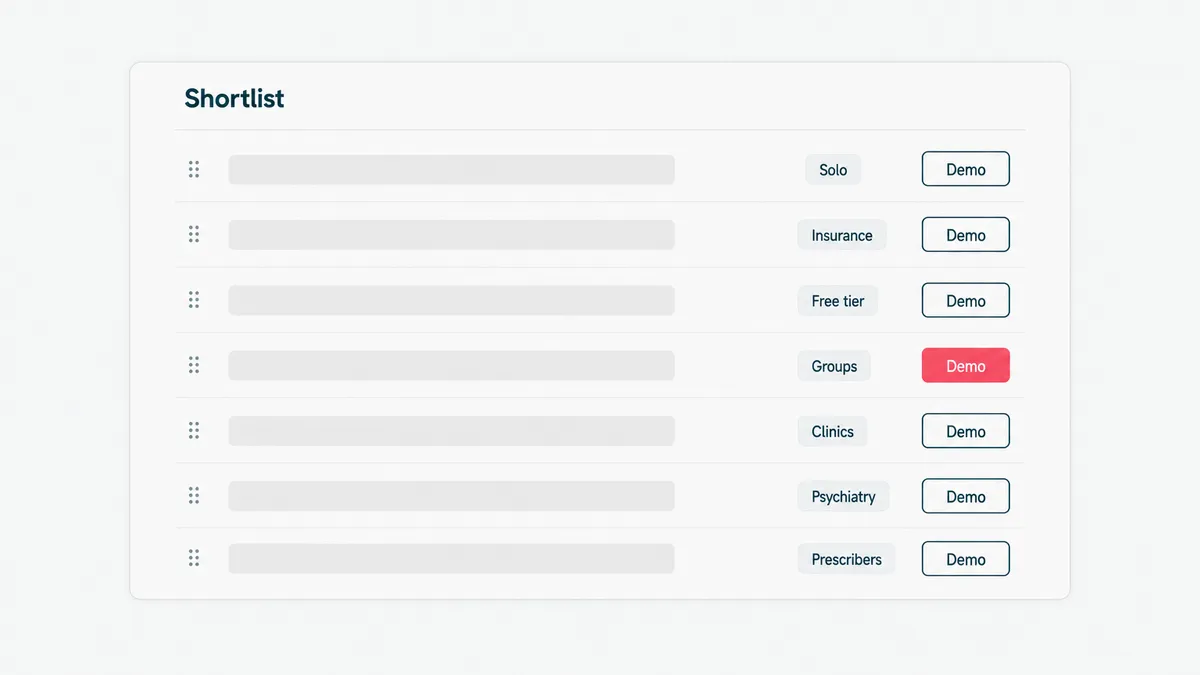
Seven mental health EHRs are worth a demo
Most shortlists end up with the same seven names. Each one was built for a particular kind of practice, and the origin still shows. All prices below are monthly list prices from each vendor's own pricing page, checked on November 8, 2026.
SimplePractice
The default for solo private practice. Scheduling, notes, telehealth and the client portal live in one login. Plans run $49, $79 and $99 a month, per its pricing page. The group plan is $99 for the first clinician plus $74 for each additional one. The catch is the add-on stack: AI notes, e-prescribing and the Insurance Navigator claims service are all priced on top.
TherapyNotes
Built for practices that bill insurance every week, which is where its fans say it earns its keep. Solo is $69 a month. From December 2026, group plans move to $89 for the first clinician and $60 for each additional one, per TherapyNotes' pricing announcement. Its AI documentation add-on, TherapyFuel, is $40 per clinician per month.
Sessions Health
The cheapest way to start. The free plan covers up to three active clients. Per its pricing page, Professional is $39 a month with unlimited clients, plus $29 for each extra practitioner. Telehealth adds $10 a month, claims cost from $0.25 each, and AI Assist is $35. It suits a new practice that wants to grow into its software instead of paying ahead.
TheraNest
Priced per therapist, which suits groups with billers and front-desk staff. Plans are $29, $59 and $89 per therapist per month, and billers and schedulers are added at no extra charge. E-prescribing with PDMP checks is a $45 add-on, plus a $135 setup fee per practice. TheraNest now sits under the Ensora Health brand.
Jane
Built for health and wellness clinics, where therapy is one service among several. Plans run $59, $79 and $99 a month, and extra practitioners are priced by how many hours they book. Its AI Scribe is the cheapest on this list at $15 a month per practitioner. Insurance billing is a $20 add-on on the two upper plans.
Valant
A behavioral health EHR aimed at group practices and psychiatry. It offers e-prescribing, telehealth and an AI notes assistant. It also leans on measurement-based care, with rating scales that score straight into the chart. Pricing is quote-only and tiered by practice size, so budget for one more sales call.
ICANotes
Documentation-first, with a dedicated plan for prescribers. Notes Only is $55 a month for non-prescribers, and Non-Prescribing is $75. Prescribing is $213 with e-prescribing and lab orders, plus a $99 activation fee. Telehealth is $20 a month and the AI Scribe is $49. ICANotes says it is ONC certified, which matters if you report Promoting Interoperability measures to Medicare.
The mental health EHR comparison, at list price
Monthly list prices from each vendor's pricing page, checked November 8, 2026. TherapyNotes group pricing applies from December 2026.
| EHR | Built for | From | Each extra clinician | AI notes add-on |
|---|---|---|---|---|
| SimplePractice | Solo and small groups | $49 | $74 on the group plan | $35 (Note Taker) |
| TherapyNotes | Insurance-heavy practices | $69 solo, $89 group | $60 | $40 (TherapyFuel) |
| Sessions Health | New and solo practices | Free for 3 clients, then $39 | $29 | $35 (AI Assist) |
| TheraNest | Groups with admin staff | $29 per therapist | Same per-therapist rate | $35 (Ensai) |
| Jane | Wellness clinics | $59 | Priced by hours booked | $15 (AI Scribe) |
| Valant | Groups and psychiatry | Quote | Quote | AI Notes Assist, quoted |
| ICANotes | Prescribers and heavy documenters | $55 notes only | Per-clinician plan | $49 (AI Scribe) |
Read the last column twice. Every vendor on the list now sells an AI note tool. Where the price is public it runs $15 to $49 per clinician per month. SimplePractice's fuller Care Aide is $59 for the account owner plus $49 per additional clinician.
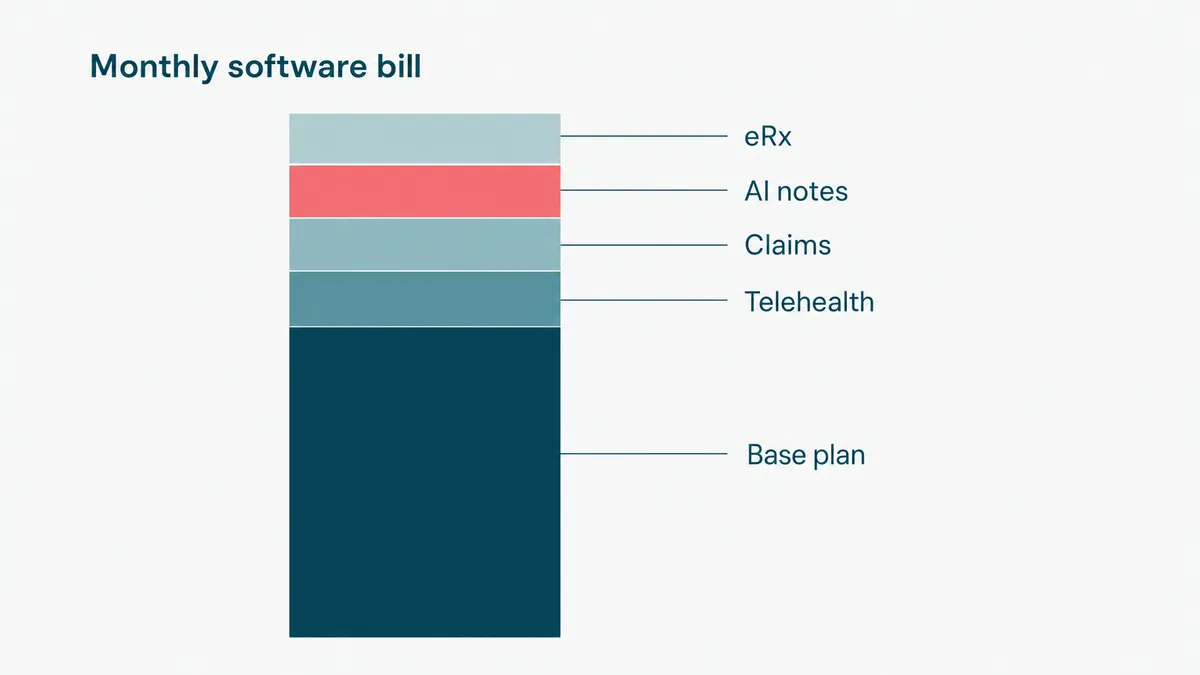
What an EHR for therapists really costs once the add-ons land
The base price is the intake session. The add-ons are the treatment plan.
Telehealth, claims, AI notes and e-prescribing are where the invoice grows. Here is what common setups cost, per the list prices above, before taxes and card fees:
- A solo therapist on SimplePractice Essential with Note Taker: $114 a month
- The same therapist on Sessions Health with telehealth and AI Assist: $84, plus claim fees from $0.25 each
- Five therapists on TherapyNotes from December: $329, before any add-on
- Five on TheraNest Advanced: $295, billers and schedulers included
- Five on SimplePractice's group plan: $395
Setup fees hide in the small print too. SimplePractice's ePrescribe carries an $89 setup fee, Ensora's e-prescribing is $135 per practice, and ICANotes charges $99 to activate its prescribing plan.
AI notes are the line that moves. At $35 per clinician, a five-person group adds $175 a month, or $2,100 a year. That is a bargain if every clinician gets an hour of notes back each week. It is an expensive habit if nobody trusts the drafts and rewrites them anyway.
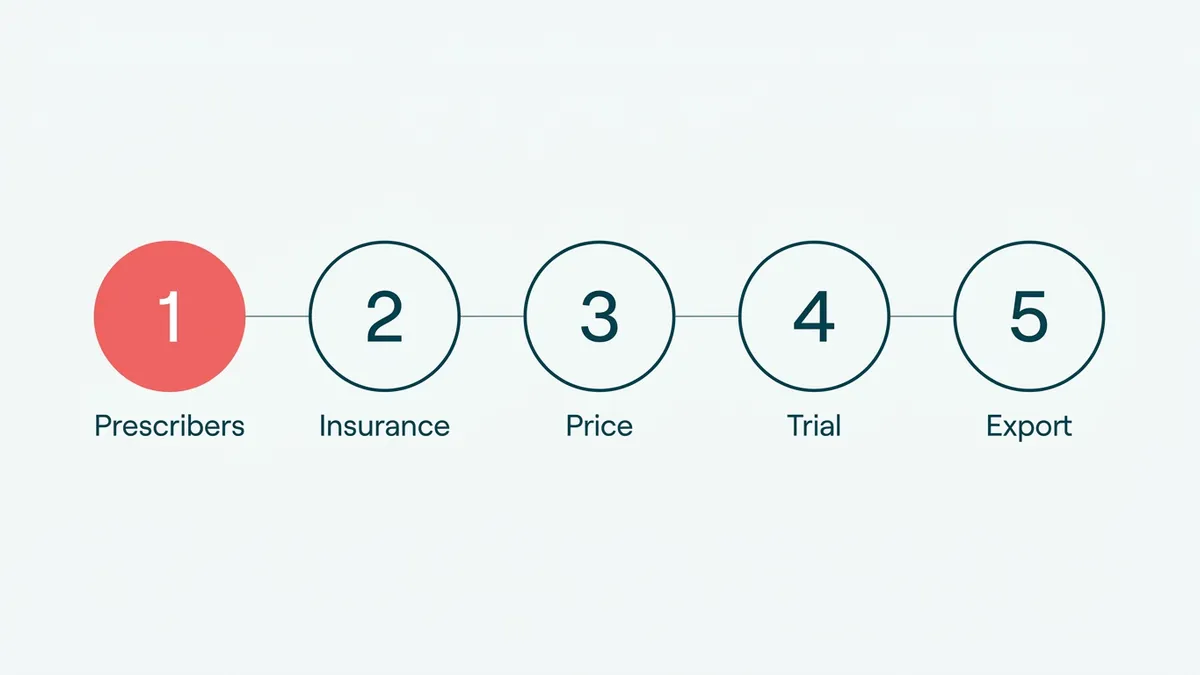
Choose in five steps, starting with who prescribes
The best EHR for a small mental health practice is usually settled by the first two steps. The rest are tiebreakers.
- Count your prescribers. One psychiatric nurse practitioner on staff moves the shortlist to Valant, ICANotes, or a system with an e-prescribing add-on.
- Decide how much insurance you really bill. A cash-pay practice can skip the claim tooling. An insurance-heavy one should test claims and payment posting during the trial.
- Price the full stack for your real headcount: base plan, telehealth, claims, AI notes and e-prescribing.
- Run a real week in the trial. Write five progress notes, send one intake packet and file one claim. Demos are rehearsed. Your Tuesday is not.
- Ask how you leave before you move in. Get the export format in writing for notes, treatment plans and the billing ledger. Breaking up with an EHR is like any breakup: someone keeps your stuff.
The short version, by practice type:
- Solo and mostly cash-pay: SimplePractice, or Sessions Health while the caseload is small
- Solo and mostly insurance: TherapyNotes
- A group with billers and a front desk: TheraNest, or TherapyNotes on the group plan
- Anyone on staff prescribing: Valant or ICANotes
- A wellness clinic where therapy is one service of several: Jane
If you want to see what sits underneath these systems, our guide on how to create EHR software walks through the build side.
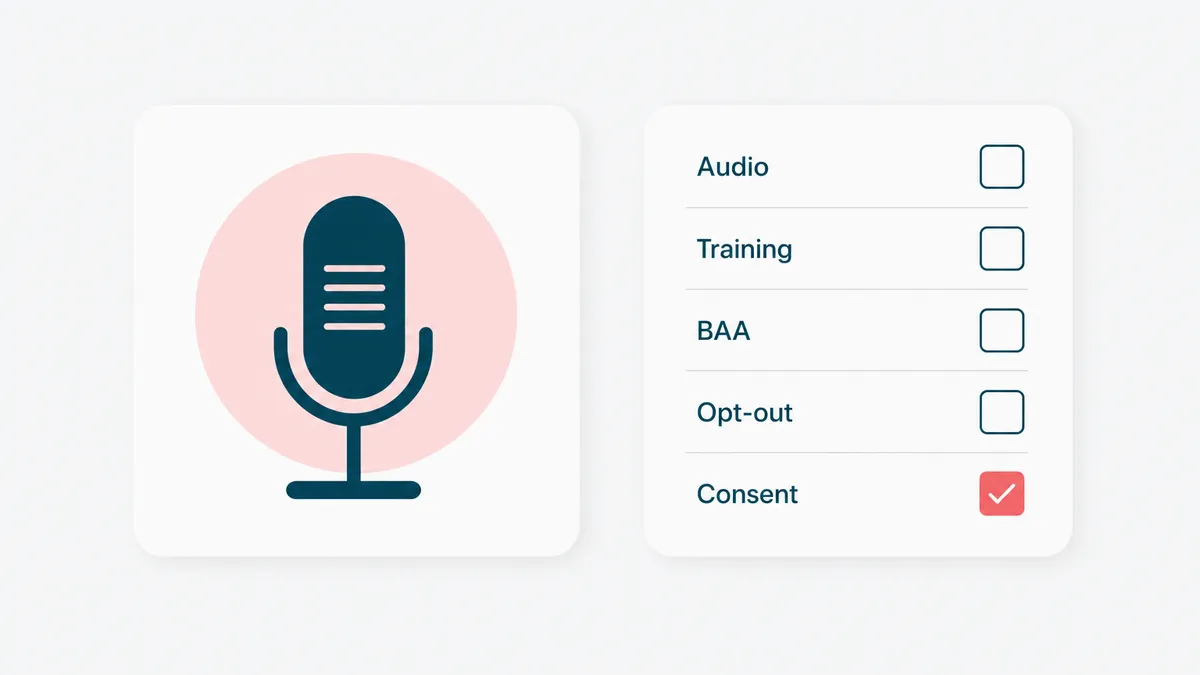
An AI note-taker is a consent decision before it is a feature
Every EHR above now sells an AI scribe. In therapy, that means a microphone in the room, or on the call, during the most private hour of your client's week. Vendors will tell you their scribe is HIPAA-compliant. So is a filing cabinet. The question is who holds the key.
Get these answers in writing before you switch one on:
- Where the audio goes, and how long it stays
- Whether recordings or transcripts train anyone's model
- A business associate agreement that names the AI feature, not just the EHR
- Which section the draft lands in, the progress note or the protected psychotherapy notes
- How a client opts out, one session at a time
Then ask the client. Recording laws vary by state, and some require every party's consent. A signed consent form at intake costs a minute. Explaining a recording nobody agreed to costs a lot more.
Treat every AI draft as a first draft. The clinician signs the note, so the clinician owns every sentence in it, including the ones a model guessed at. If reviewing the draft takes as long as writing the note, the scribe is a subscription, not a time saver.
Some practices outgrow every EHR on this list
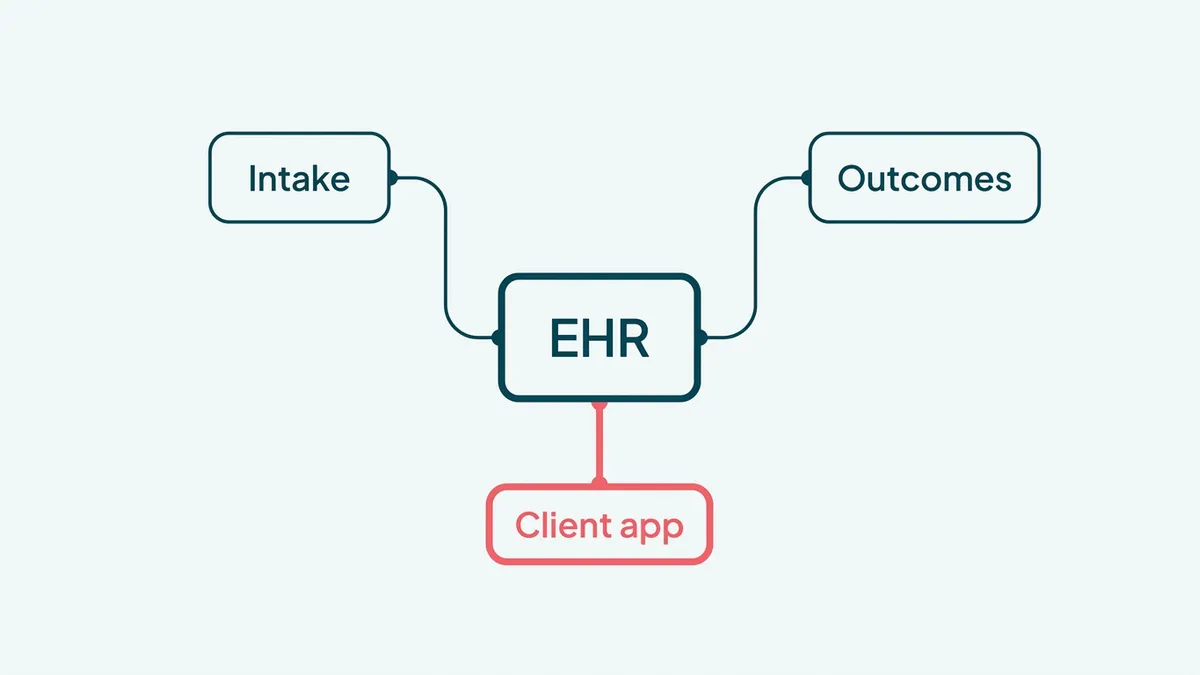
Off-the-shelf systems are built for one practice running one care model. They strain when the care model is the product. That usually looks like one of these:
- A teletherapy or digital mental health company, where the client app, matching and outcomes data are the business
- A group running measurement-based care across dozens of clinicians, with payer reports on top
- A program juggling Part 2 consent, several locations and a separate intake team
We have seen what that strain costs. For a healthcare wellness platform, we found the same patient information being typed into five disconnected systems, and every re-entry was a fresh chance to introduce an error. We rebuilt intake to capture each field once, validated at entry, and fed it everywhere downstream. The patient stopped being the platform's integration layer.
Our rule for when that kind of build pays is simple. A workflow that eats 20 staff hours a week pays for a serious custom build inside a year. A workflow that eats 2 hours does not, and we say so on the first call. Healthcare adds a second column, because the build has to clear HIPAA before it clears finance.
That is the work our mental health app development team does: client apps, teletherapy, assessments and the integrations around an existing EHR, built with HIPAA-aware engineering from the first sprint. When the record itself has to be custom, the project becomes EHR software development.
Most practices do not need to build anything
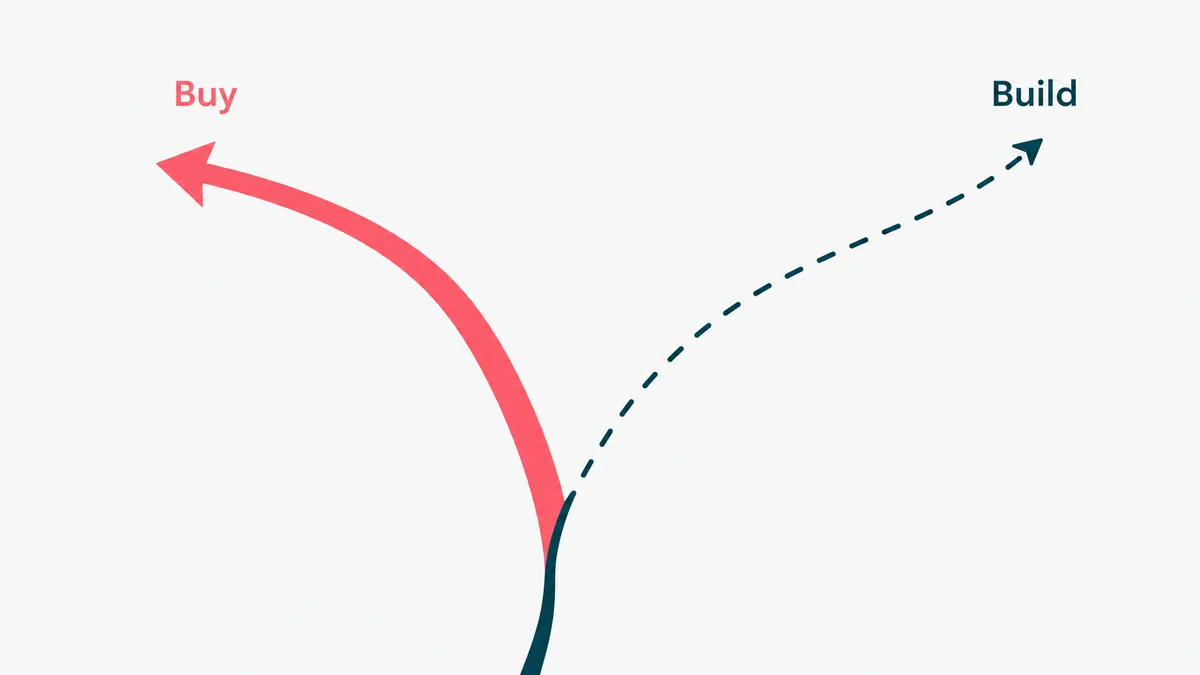
If you are a solo therapist or a group under a dozen clinicians, you do not need custom software. Buy one of the seven above, configure it over a weekend, and get back to clients. That is the cheaper answer, and usually the right one.
Custom work earns its cost when the EHR blocks the business, not when it is merely annoying. A missing report, a clunky intake form or a slow claim screen is a configuration ticket or a vendor switch. Three of the seven above let you start free today: SimplePractice, Sessions Health and TheraNest.
If your EHR has become the most demanding client on your caseload, email us.