Custom API development
built to integrate.
Two systems that will not talk. An integration that breaks every time a vendor ships an update. An API that held in the demo and fell over under real traffic. Custom API development is the connective tissue between them. We design and build the REST and GraphQL APIs that move your data, integrate the third-party and legacy systems around them, and add the auth, rate limiting, and versioning that keep it standing under load. For SaaS, operations-heavy teams, and expert-led businesses.
Scoped estimate in 1-2 business days. No obligation, NDA on request.
“They were absolutely phenomenal. The team put in a lot of work to break down what was required of the project and gave an excellent presentation on the process. I highly recommend them and will be working with them again in the future.”

Kayode Leonard
Founder, Project Wolf
Selected clients and shipped projects


 Awesome Kyiv



 Shelfit







We have made systems agree that did not want to
HighCraft is a senior team that pairs full-stack engineering with applied AI for healthcare, SaaS, and expert-led businesses. We have earned Top Rated and a 100 percent Job Success Score on Upwork, one five-star delivery at a time.
We built the integration backbone for a booking platform that pulls from three upstream systems over REST and SOAP. It syncs twenty-three kinds of record and merges twenty-one of them across sources automatically. On a healthcare platform we wrote the Stripe webhook handling behind an invoice state machine that tracks every state a payment moves through, from sent to partially paid to disputed. You work with the engineers who built those, not a sales layer in front of them.
2 weeks
idea to working prototype
End to end
prototype to production
Senior
engineers, no handoffs
Most APIs are easy to start and expensive to live with. The first version ships in a week. Then a field name changes, a client breaks in production, and nobody can tell which version anyone is calling. We design the contract first and write it to the the OpenAPI Specification, so the API is documented before it exists, not after a consumer guesses wrong. Versioning, error shapes, and pagination are decided up front, not patched in once something downstream is already depending on the old way.
What a custom API has to get right
The parts a quick endpoint skips and a production integration cannot.
API design and build, REST or GraphQL
Designing the contract before writing the handler. Resource shapes, error formats, pagination, and a versioning plan, documented to OpenAPI. We build REST where a resource model fits and GraphQL where a client needs to ask for exactly its own data. The shape you pick early is the one you live with for years.
Third-party and legacy integration
Connecting the CRM, the payment processor, the ERP, and the twelve-year-old SOAP endpoint nobody wants to touch. Each one disagrees with the next about what a single record even is. We have reconciled systems that did not share so much as one ID. Calling the API is the easy half. Making two of them agree is the work.
Webhooks and real-time sync
Webhooks that deliver an event once and survive the receiver being down. Real-time sync that keeps both sides current instead of polling on a timer and hoping. We handle the unglamorous parts: signature verification, replay, and an event that arrives twice. A webhook with no retry is a silent data-loss bug waiting for a bad afternoon.
Auth, rate limiting, and reliability
OAuth and token auth, rate limits that protect the service without punishing a fair client, and idempotency keys so a retried write does not charge a card twice. Plus logging and metrics, so when a consumer says it is broken you can see whether it is. The demo proves it runs once. This is the part that keeps it running.
When an off-the-shelf integration already covers it
If an iPaaS like Zapier or Make, or a native connector, already moves the data between your two tools, use it. We will say so before quoting a build. Custom API development earns its cost elsewhere. When you are the one publishing the API other people build against. When the integration spans a legacy system with no connector. When the traffic, the auth, or the data rules outgrow what a no-code box allows. We build the bespoke layer when there is real weight on it, not before.
100%
Job Success on Upwork
5.0
Average client rating
Top Rated
Agency on Upwork
11 yrs
Engineering leadership
HIPAA
Aligned delivery
Awards and accreditations
Verified on Upwork and recognized by independent agency directories.








Built for the rules healthcare runs on. Practices documented, not implied.
Security & trustAI Prototype Sprint
Validate the workflow before you fund the platform.
A two-week sprint that turns a complex workflow into a working prototype, architecture direction, and a build estimate you can act on.
- Working prototype
- Workflow map
- Architecture recommendation
- AI opportunity and risk assessment
- Delivery roadmap
- Fixed or phased build estimate
Two weeks, one fixed scope. You own everything we build, whether or not you continue.
Week 1
Discover the workflow, build the spine
Week 2
AI where it pays back, then prototype + estimate
Four ways to engage, and a low-risk way to start
We fit the model to the project and the risk, not to our invoice. Most clients start with a two-week discovery sprint that turns the idea into a working prototype and a real estimate, then move into whichever model fits the build.
Time and materials
You pay for the hours you use, billed weekly or monthly. The right call when scope is still moving and you want to steer as you go.
Dedicated team
A senior team embedded with yours and billed monthly, scaling up or down as the roadmap changes. Built for ongoing work, not a one-off.
Fixed price
Agreed scope, agreed price, agreed date. Works when the requirements are already clear and you want certainty before you sign.
Fixed milestones
Phased delivery, paid one milestone at a time. A way to take on a larger build and de-risk it stage by stage.
Clients trust us with messy, real-world software
From regulated healthcare workflows to payment-heavy platforms and internal business systems, the common thread is delivery that survives production.
Alex and his team built the core of our Healthcare SaaS. Their grasp of HIPAA and GDPR was crucial for our telemedicine features, and they added AI into the EMR so providers could make better data-driven calls. They know the Microsoft stack and held to WCAG 2.1 throughout. For a healthcare product that needs regulatory care and real engineering, HighCraft.io is the partner you want.

Oleg Shumar
Owner, GetTrusted.io
They were absolutely phenomenal. The team put in a lot of work to break down what was required of the project and gave an excellent presentation on the process. They were very attentive and kept open lines of communication throughout. The quality of the code was outstanding. Great knowledge of agile development and testable code. I highly recommend them and will be working with them again in the future.
Kayode Leonard
Founder, Project Wolf
Really enjoyed working with HighCraft.io. They are true professionals that know how to get things done. They were hardworking and skillful, exactly what we were looking for.

Maxim Grossman
Executive, Enigmex Technologies
HighCraft team did a great job creating a brand new site for my company, and I am loving it. It is exactly what I wanted and the team were true professionals and very nice to work with.

Alina Virstiuk
Founder, AwesomeKyiv
Three ways we turn complex workflows into working software
Start with a prototype, add AI where it creates leverage, or build the full production platform.
- 01
Working prototypes
A working prototype built around the real edge cases, so you can validate scope before funding a full build. The cheapest way to find the edge case nobody mentioned.
- 02
AI-enabled features
AI inside the product you already run: intake, search, summarization, classification, recommendations, or workflow assistance, with evaluation and guardrails. Built so a real user opens it twice.
- 03
Production platforms
Custom platforms built for real users: integrations, permissions, billing, audit trails, and maintenance. HIPAA-aware where it has to be.
Free vendor-risk check
Before you build, check the risk first.
Answer a few plain-English questions and get a vendor-risk read on ownership, proof of work, data exposure, and handover gaps before you fund the build.
- Takes about 3 minutes
- Built for vendor decisions
The page shows the first risk instantly. Email sends the full report.
What the API connects to
The layers around an integration, once the systems are talking.
Software that works, in production
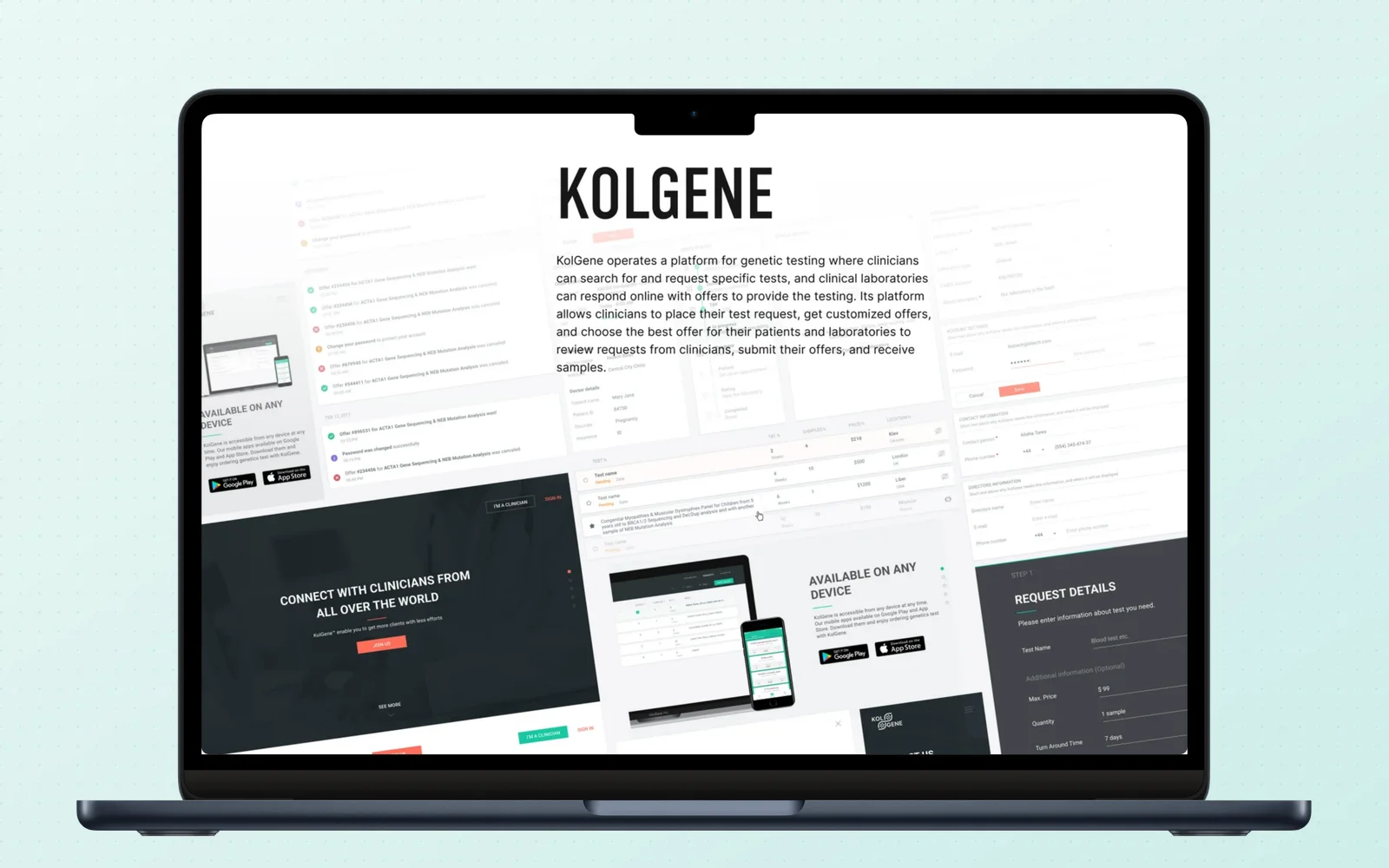
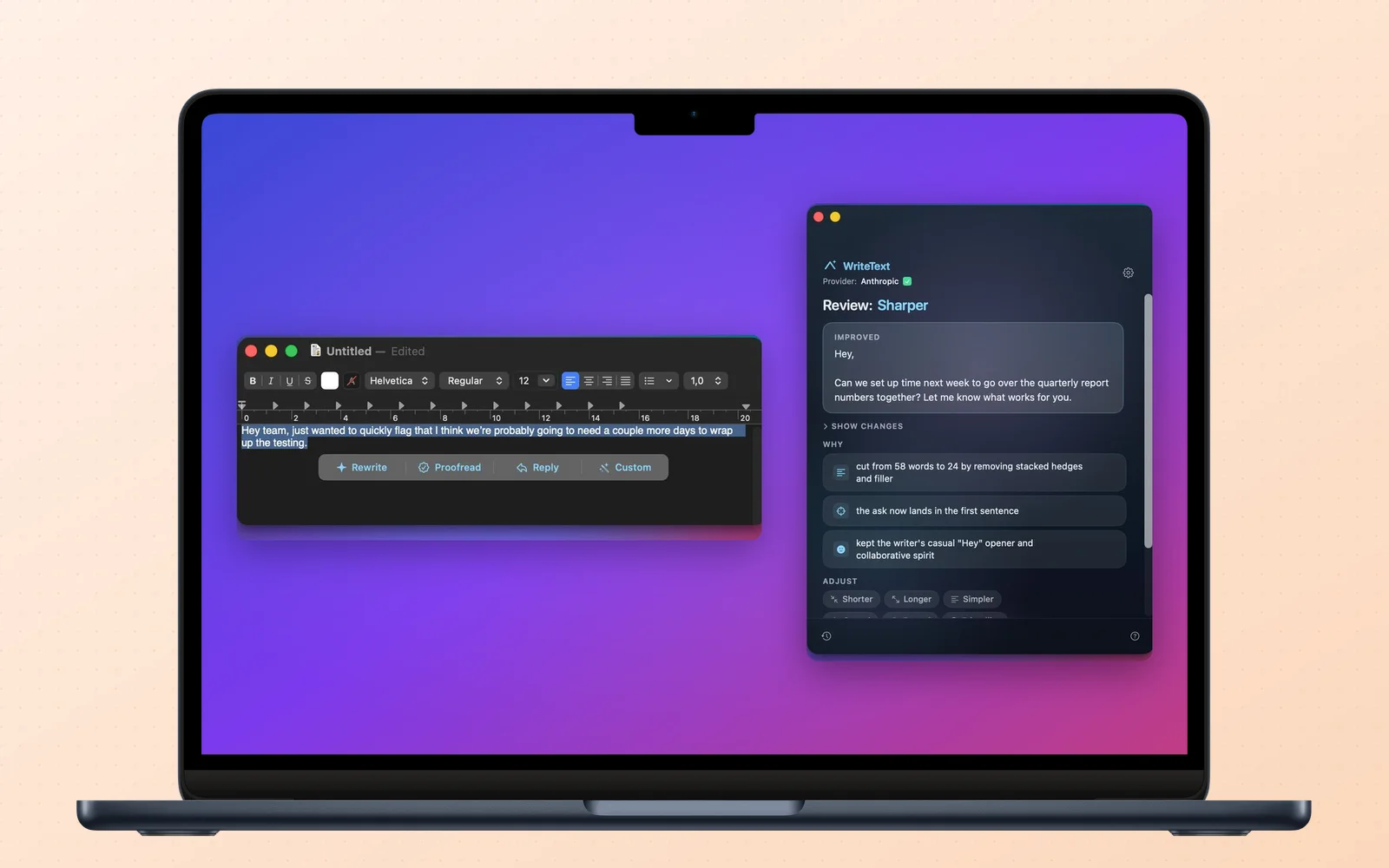
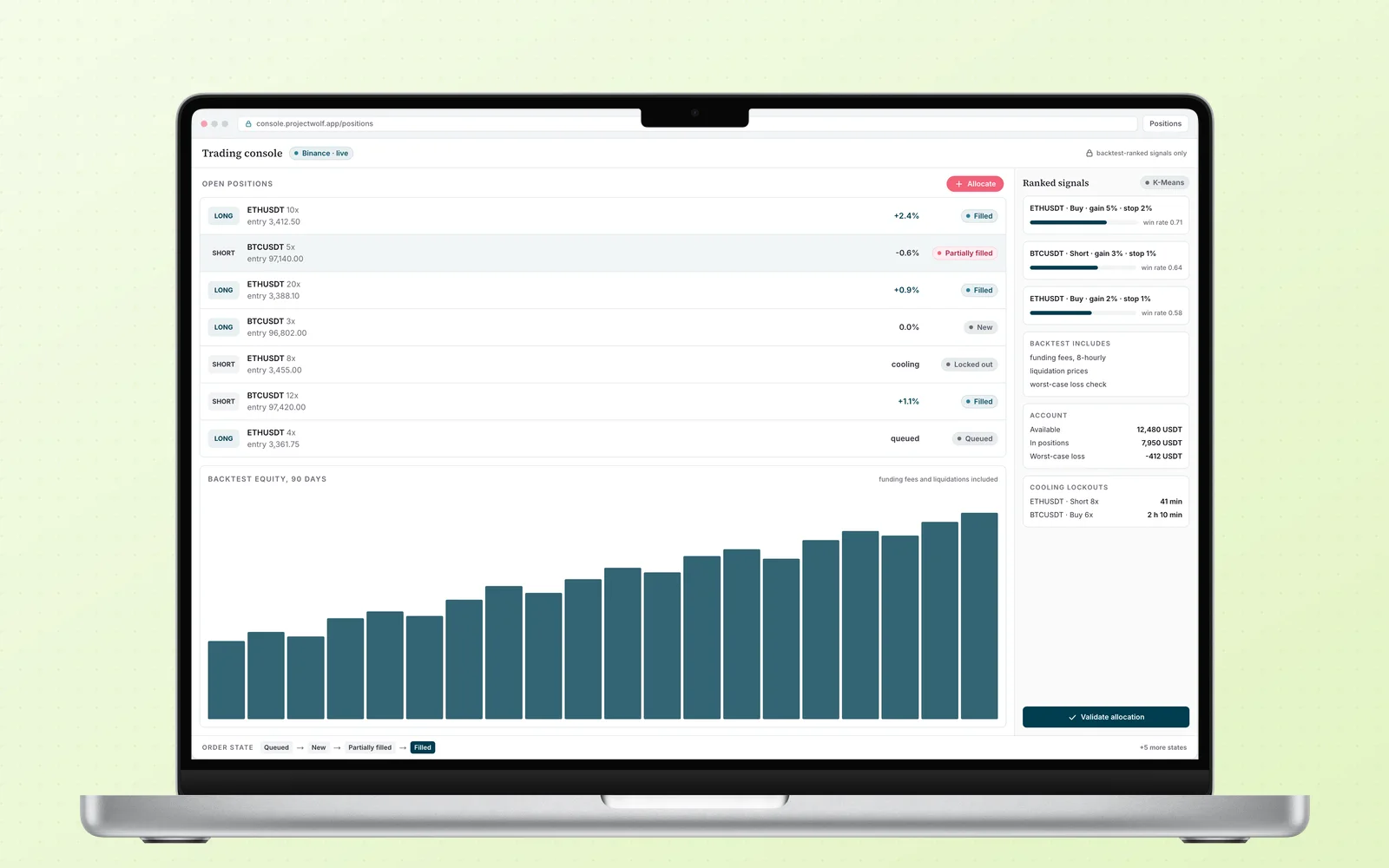
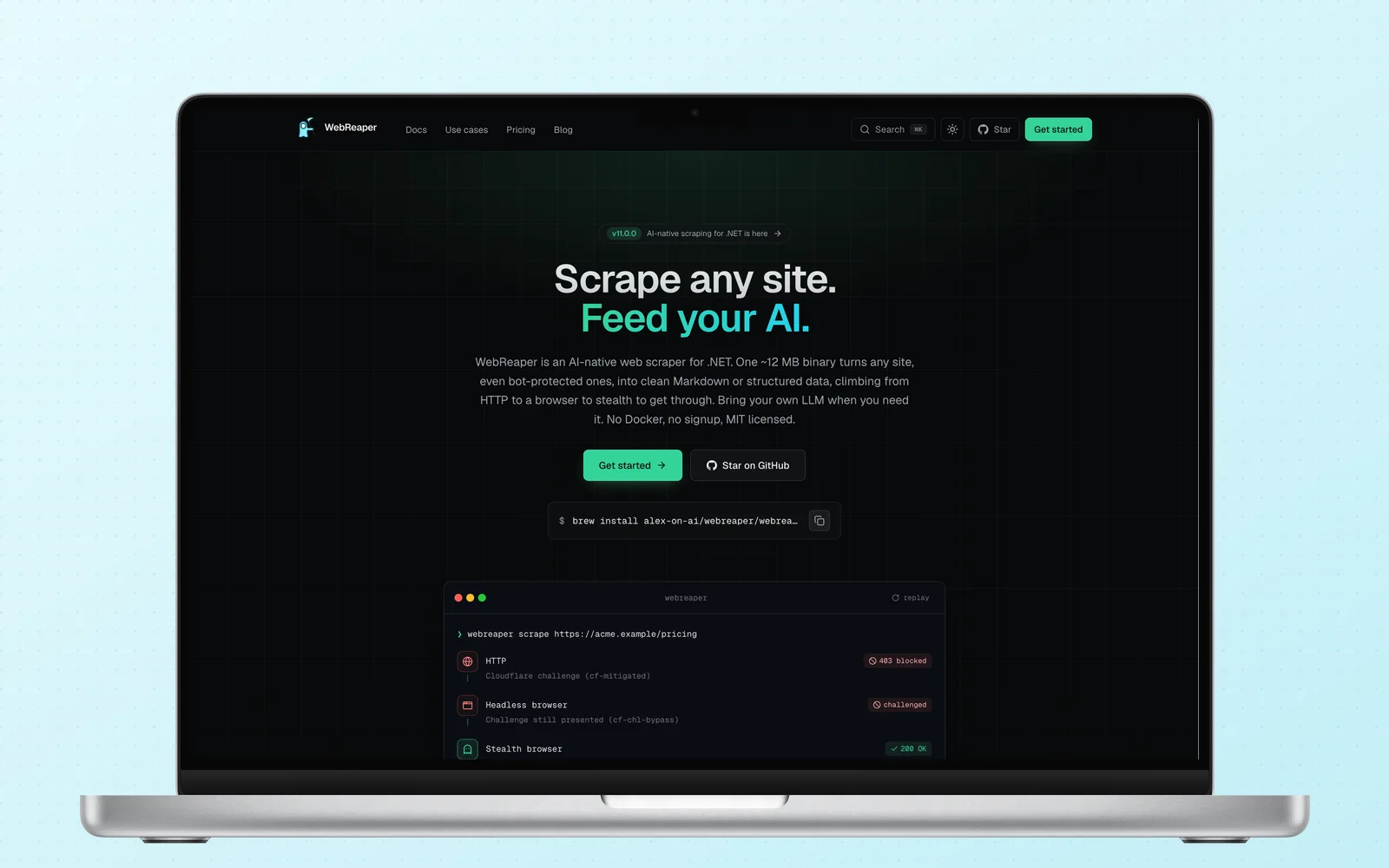
Our clients get to focus on their business, instead of babysitting the stack that holds it together. Client cases below are anonymized where compliance demands; the rest ship under their own names.
How we build AI workflows that stay controllable
Agentic does not have to mean opaque. We put the controls where the risk is: permissions, approvals, and audit around every AI-assisted step.
Frontend
The product your users and staff actually work in.
API
Typed contracts and validation at the boundary.
Workflow engine
The deterministic spine: states, rules, and handoffs.
Agentic workflow layer
Inspects context, suggests next steps, and triggers tools, with human approval where it matters.
AI / LLM services
Models behind evaluation and fallback logic, not raw and unchecked output.
Integrations
EMR, Stripe, CRM, scheduling, and internal APIs.
Audit, monitoring, permissions
Every AI-assisted step logged, observable, and role-gated.
Controls, not black boxes
- Human approval for sensitive actions
- Tool calls scoped by permissions
- Audit logs for every AI-assisted step
- Evaluation and fallback logic, not raw model output
- Role-based access throughout
- Observability in production
- Integration with EMR, Stripe, CRM, scheduling, or internal APIs
Hiring a custom API development team
What buyers ask before they start.
What does custom API development cover?
Designing and building an API tailored to your systems instead of forcing them into a generic one. Defining the contract, building the endpoints in REST or GraphQL, integrating the services around them, and adding auth, versioning, and docs. The endpoint is the visible part. The hard work is the data mapping, the error handling, and keeping the thing stable as it changes.
REST or GraphQL: which should we build?
It depends on who calls it. REST fits a clean resource model and is the safe default for a public or partner API. GraphQL fits a client that needs to ask for exactly its own slice of data without a dozen round trips, like a busy mobile or dashboard frontend. We pick from your consumers and traffic, not a house preference, and sometimes the answer is both for different surfaces.
Can you integrate third-party or legacy APIs we do not control?
Yes, that is most of the job. We connect to the CRMs, payment processors, and ERPs you already run, and to the older SOAP and XML systems that are not going anywhere. The work is rarely the call itself. It is reconciling formats, handling their downtime gracefully, and getting two systems that disagree about a record to agree.
How do you handle auth, rate limiting, and versioning?
Auth through OAuth or signed tokens, scoped so a key only reaches what it should. Rate limits that protect the service without throttling a fair client. Versioning planned from the first release so an upgrade never silently breaks a consumer. These get decided up front. Bolting them on after the API has callers is how a small change becomes a breaking one.
Do you document the API (OpenAPI) and handle webhooks?
Yes to both. We write the API to the OpenAPI Specification, so it has a real contract and machine-readable docs, not a stale wiki page. For webhooks we handle signature verification, retries when a receiver is down, and idempotency so an event delivered twice does not act twice. A documented, retryable API is the difference between an integration someone trusts and one they keep checking by hand.
How much does custom API development cost?
Send the systems you need connected and what the API has to do. We reply with a scoped estimate, usually within 1-2 business days. Cost tracks the number of integrations, how messy each one is to reconcile, and how much auth, traffic, and reliability the API has to carry. You can work hourly, fixed price, or as a dedicated team.
When are you not the right fit?
If an off-the-shelf integration tool or a native connector already moves the data between your systems, use it. We will tell you so instead of quoting a build. We are also the wrong call for a single endpoint you will wire up once and forget. We earn our cost when you are publishing an API others build on, integrating a system with no connector, or carrying traffic and data rules a no-code tool cannot.
Tell us about your project
Send the shape of the problem, even if the requirements are still blurry. We reply with a scoped estimate, usually within 1-2 business days. No obligation, NDA on request.
- A senior engineer reads every brief, not a sales rep.
- If an off-the-shelf tool fits better, we will tell you.
- NDA on request before you share anything sensitive.
Prefer email? Write to business@highcraft.io
Rather talk it through? Book a 30-minute estimate review
“Alex and his team built the core of our Healthcare SaaS. Their grasp of HIPAA and GDPR was crucial for our telemedicine features, and they added AI into the EMR so providers could make better data-driven calls. They know the Microsoft stack and held to WCAG 2.1 throughout. For a healthcare product that needs regulatory care and real engineering, HighCraft.io is the partner you want.”
Oleg Shumar
Owner, GetTrusted.io