Manufacturing software development
built for the floor.
A factory runs on more systems than anyone planned. The ERP. The spreadsheets on the line. The machine that exports a CSV nobody reads. Manufacturing software development pulls that together. We build the production tracking, inventory, and shop-floor tools that connect to the systems you already run. So the data from the line reaches the people who decide. For manufacturers, industrial suppliers, and the teams that run them.
Scoped estimate in 1-2 business days. No obligation, NDA on request.
“Really enjoyed working with HighCraft.io. They are true professionals that know how to get things done. They were hardworking and skillful, exactly what we were looking for.”

Maxim Grossman
Executive, Enigmex Technologies
Selected clients and shipped projects


 Awesome Kyiv



 Shelfit




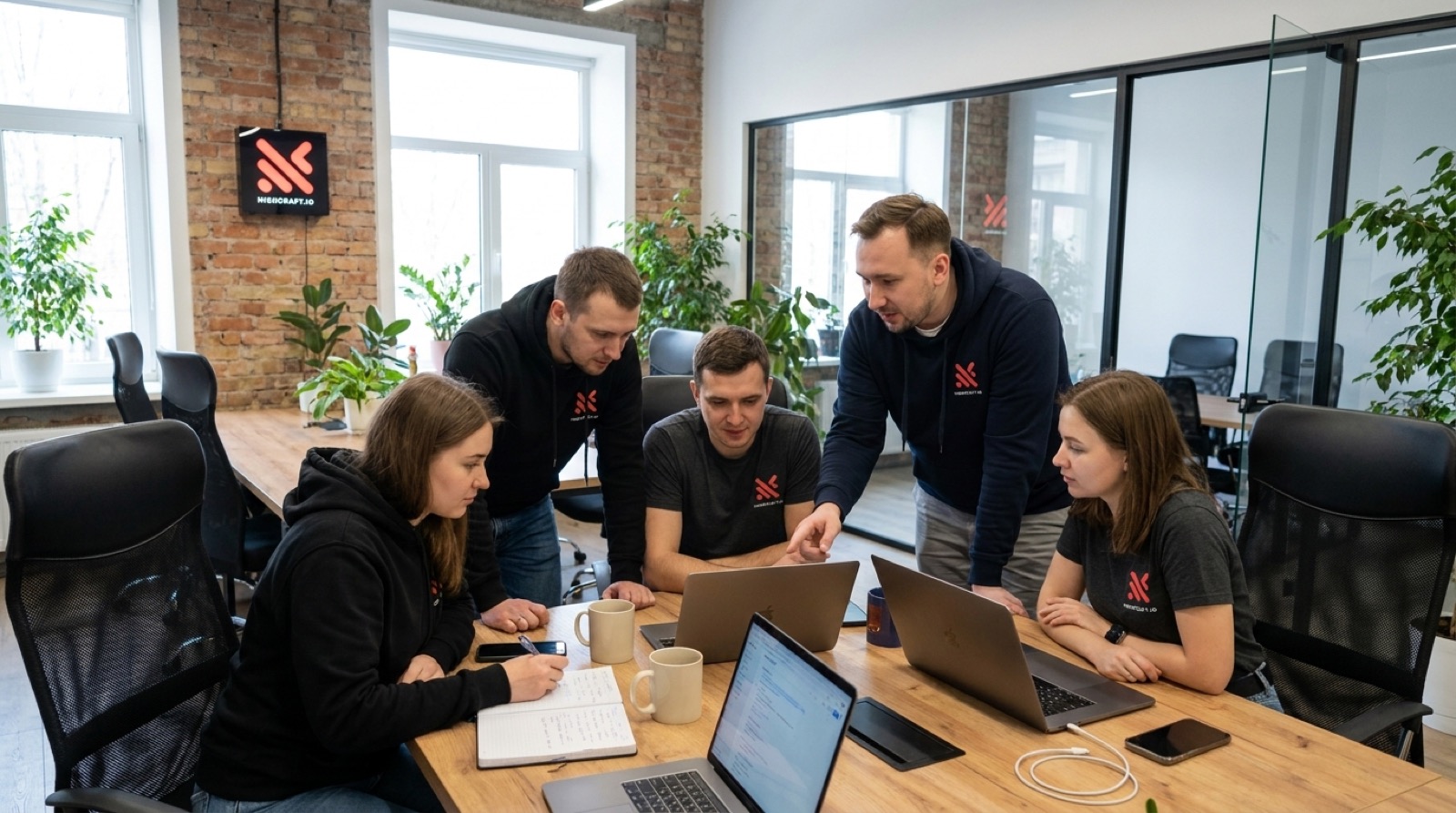
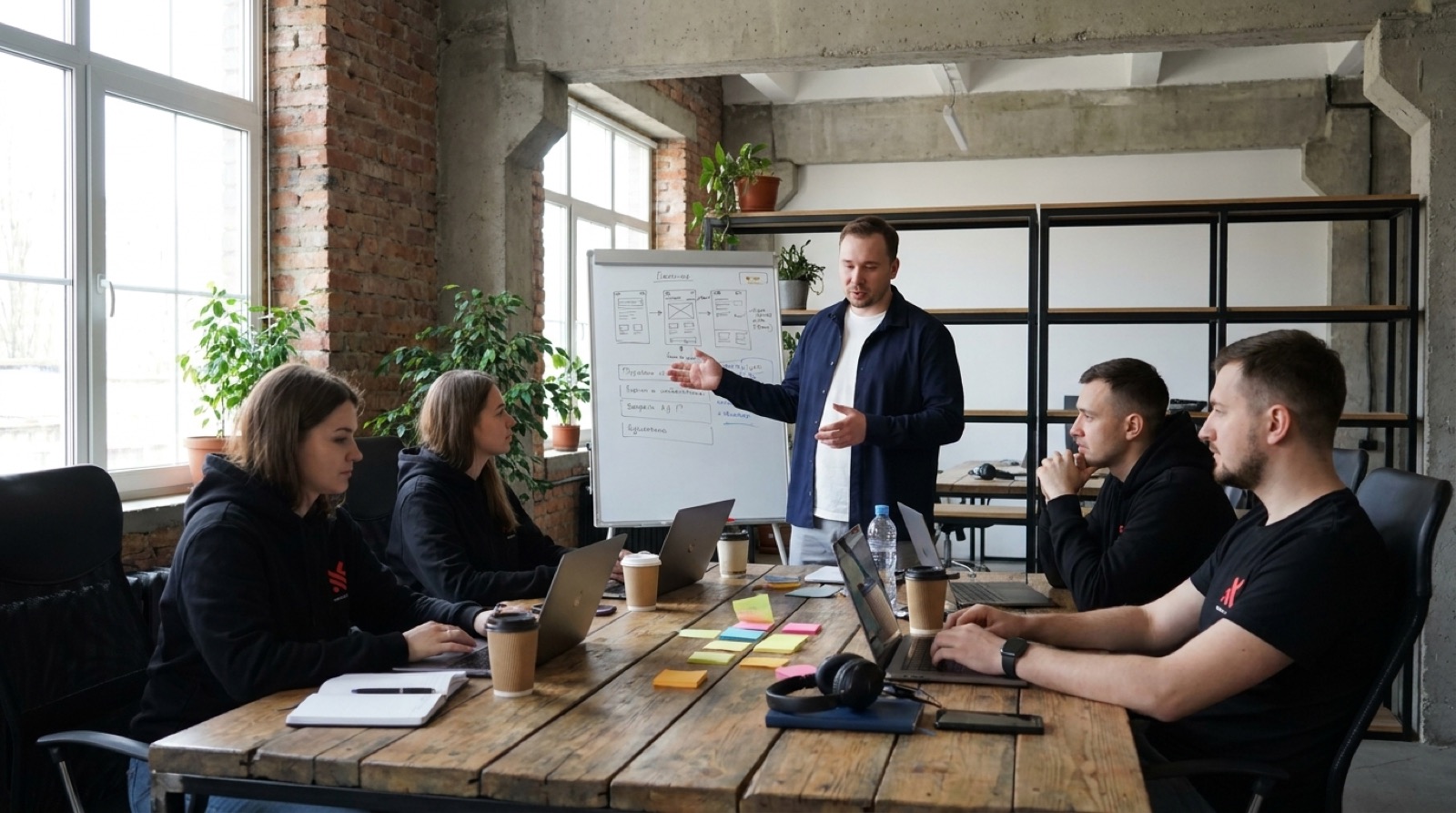
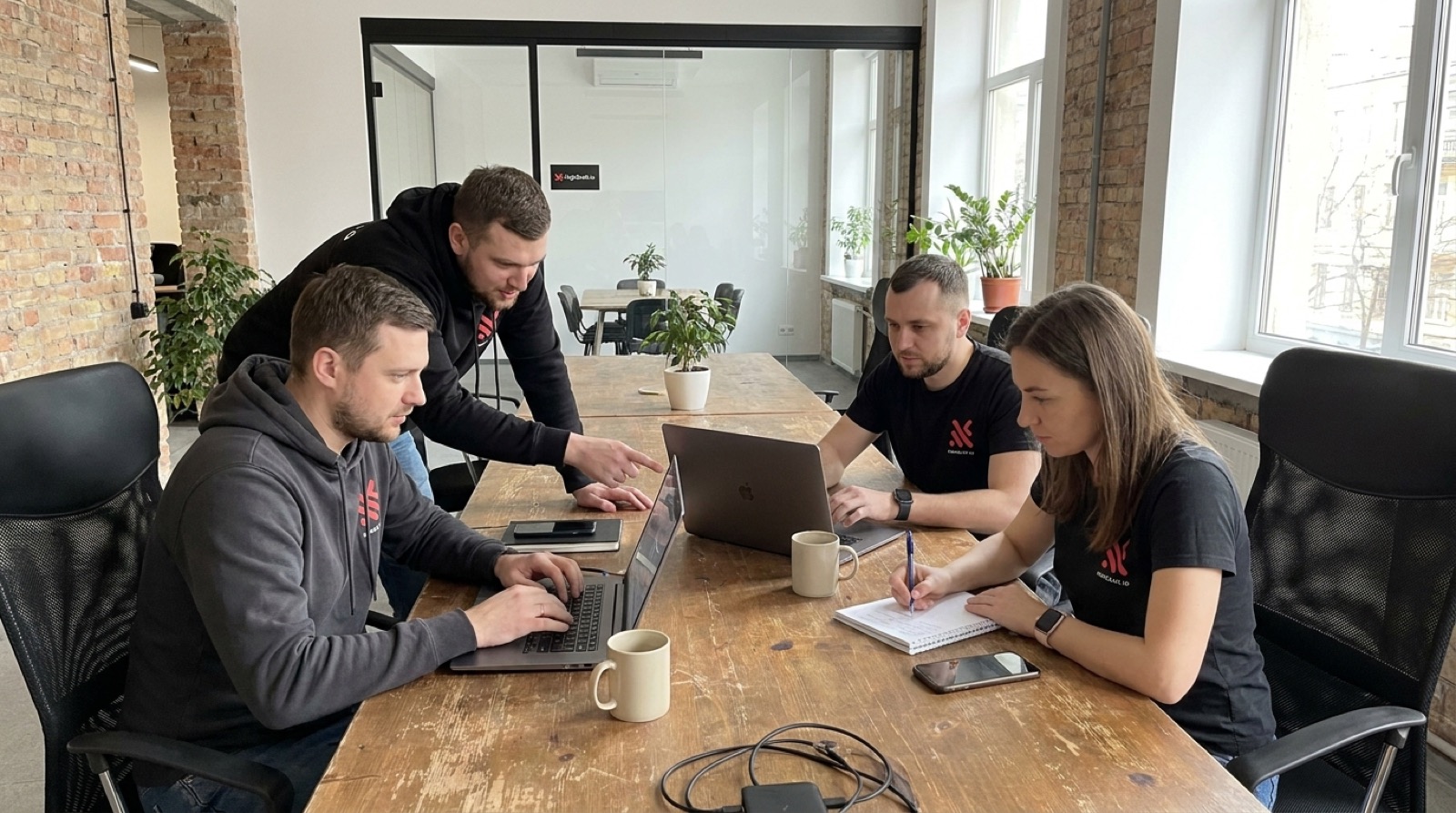
We build the operations spine, not the brochure
HighCraft is a senior team that pairs full-stack engineering with applied AI for healthcare, SaaS, and expert-led businesses. We have earned Top Rated and a 100 percent Job Success Score on Upwork, one five-star delivery at a time.
We build the spine a manufacturing system runs on. We shipped an inventory and operations platform tested past a million records. Its import validator is a single 624-line gate that checks a spreadsheet row by row and hands back an error-highlighted copy. Its search returns in 1.2 seconds, where the old system took 15. We wrote the connectors that sync data across upstream systems that did not agree on a single ID. That is the engineering a manufacturing build rests on. You work with the engineers who built it, not a sales layer in front of them.
2 weeks
idea to working prototype
End to end
prototype to production
Senior
engineers, no handoffs
The hard part of manufacturing software is rarely the screen. It is connecting the floor to the business. A machine speaks one protocol, the ERP speaks another, and the data falls in the gap. The standard for closing that gap is the ISA-95 standard. The discipline is the same one we use to move data between systems that disagree. We build the connection, so a reading from the line lands where a decision gets made.
What manufacturing software has to get right
The parts a generic ERP misses and the floor cannot.
Production and operations tracking
Work orders, job status, and output tracked as they happen. Not keyed in at end of shift. The floor sees what is running. The office sees what is late. A plan nobody can see in real time is a guess by lunchtime.
Inventory and materials
Raw materials, work in progress, and finished goods tracked across locations. With the reorder logic that keeps a line from stopping. We have built inventory at scale before, tested past a million records. The counts are only useful when they are right.
Shop floor to ERP, connected
Machine data, scanners, and line systems wired to the ERP and the warehouse. Over their APIs, or the protocols the floor actually speaks. The data trapped on one machine is worth nothing. Moving it where it is used is the work.
Built to keep running
Software that survives a noisy network, a dropped connection, and the day a sensor lies. We build the retries, the logging, and the fallbacks. A line does not stop for a stack trace. Uptime is a feature here, not a nice-to-have.
When an off-the-shelf system fits
If a standard MES or ERP module like SAP or Odoo covers how you run, use it. We will say so before quoting a build. Custom manufacturing software earns its cost when your process is your edge, your machines do not speak a standard protocol, or the off-the-shelf system would bend your operation around its assumptions. We build the parts that are yours.
100%
Job Success on Upwork
5.0
Average client rating
Top Rated
Agency on Upwork
11 yrs
Engineering leadership
HIPAA
Aligned delivery
Awards and accreditations
Verified on Upwork and recognized by independent agency directories.







Built for the rules healthcare runs on. Practices documented, not implied.
Security & trustAI Prototype Sprint
Validate the workflow before you fund the platform.
A two-week sprint that turns a complex workflow into a working prototype, architecture direction, and a build estimate you can act on.
- Working prototype
- Workflow map
- Architecture recommendation
- AI opportunity and risk assessment
- Delivery roadmap
- Fixed or phased build estimate
Two weeks, one fixed scope. You own everything we build, whether or not you continue.
Week 1
Discover the workflow, build the spine
Week 2
AI where it pays back, then prototype + estimate
Four ways to engage, and a low-risk way to start
We fit the model to the project and the risk, not to our invoice. Most clients start with a two-week discovery sprint that turns the idea into a working prototype and a real estimate, then move into whichever model fits the build.
Time and materials
You pay for the hours you use, billed weekly or monthly. The right call when scope is still moving and you want to steer as you go.
Dedicated team
A senior team embedded with yours and billed monthly, scaling up or down as the roadmap changes. Built for ongoing work, not a one-off.
Fixed price
Agreed scope, agreed price, agreed date. Works when the requirements are already clear and you want certainty before you sign.
Fixed milestones
Phased delivery, paid one milestone at a time. A way to take on a larger build and de-risk it stage by stage.
Clients trust us with messy, real-world software
From regulated healthcare workflows to payment-heavy platforms and internal business systems, the common thread is delivery that survives production.
Alex and his team built the core of our Healthcare SaaS. Their grasp of HIPAA and GDPR was crucial for our telemedicine features, and they added AI into the EMR so providers could make better data-driven calls. They know the Microsoft stack and held to WCAG 2.1 throughout. For a healthcare product that needs regulatory care and real engineering, HighCraft.io is the partner you want.

Oleg Shumar
Owner, GetTrusted.io
They were absolutely phenomenal. The team put in a lot of work to break down what was required of the project and gave an excellent presentation on the process. They were very attentive and kept open lines of communication throughout. The quality of the code was outstanding. Great knowledge of agile development and testable code. I highly recommend them and will be working with them again in the future.

Kayode Leonard
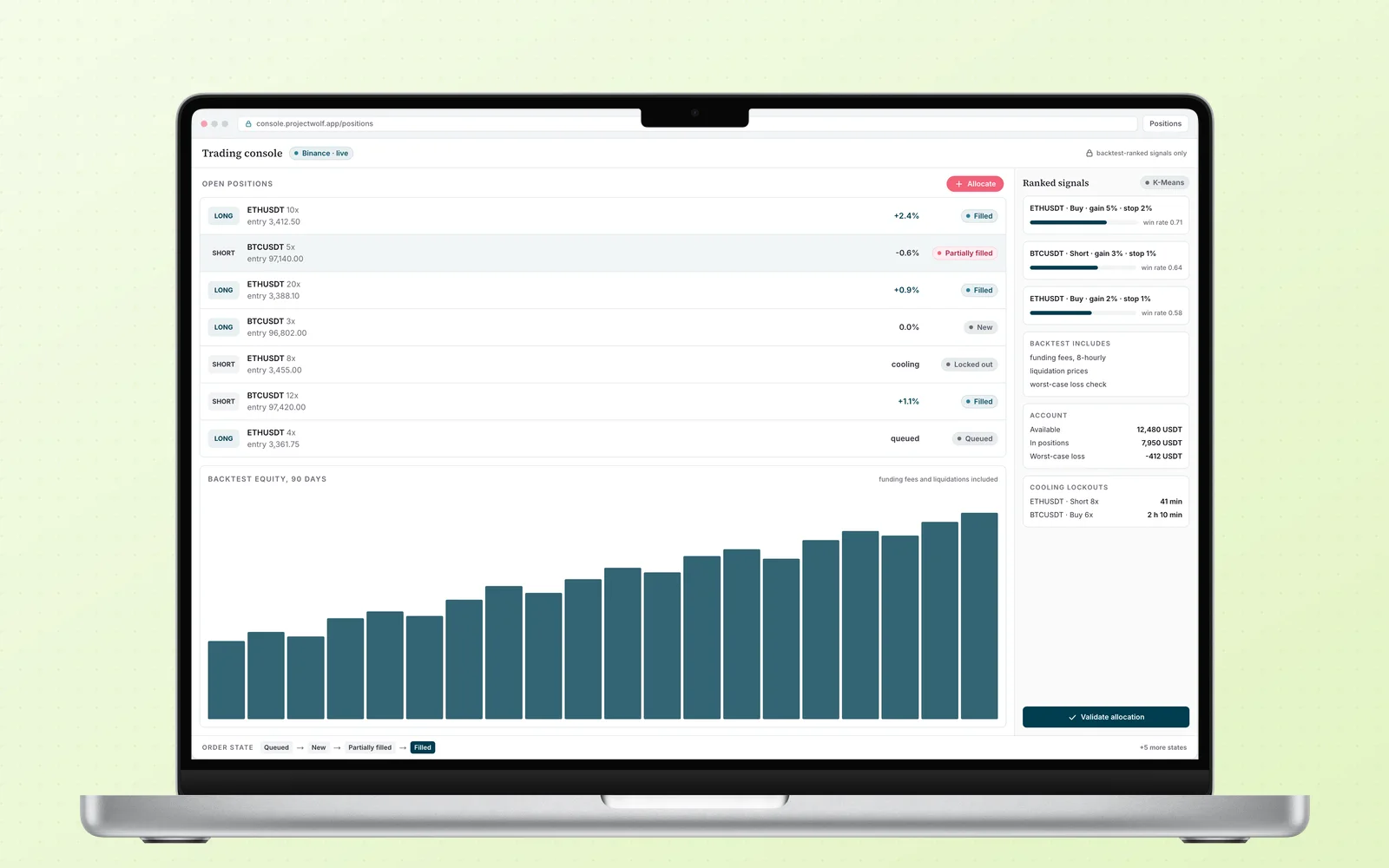
Founder, Project Wolf
Really enjoyed working with HighCraft.io. They are true professionals that know how to get things done. They were hardworking and skillful, exactly what we were looking for.
Maxim Grossman
Executive, Enigmex Technologies
HighCraft team did a great job creating a brand new site for my company, and I am loving it. It is exactly what I wanted and the team were true professionals and very nice to work with.

Alina Virstiuk
Founder, AwesomeKyiv
Three ways we turn complex workflows into working software
Start with a prototype, add AI where it creates leverage, or build the full production platform.
- 01
Working prototypes
A working prototype built around the real edge cases, so you can validate scope before funding a full build. The cheapest way to find the edge case nobody mentioned.
- 02
AI-enabled features
AI inside the product you already run: intake, search, summarization, classification, recommendations, or workflow assistance, with evaluation and guardrails. Built so a real user opens it twice.
- 03
Production platforms
Custom platforms built for real users: integrations, permissions, billing, audit trails, and maintenance. HIPAA-aware where it has to be.
Free vendor-risk check
Before you build, check the risk first.
Answer a few plain-English questions and get a vendor-risk read on ownership, proof of work, data exposure, and handover gaps before you fund the build.
- Takes about 3 minutes
- Built for vendor decisions
The page shows the first risk instantly. Email sends the full report.
What connects to the factory floor
The systems around a manufacturing build.
Software that works, in production
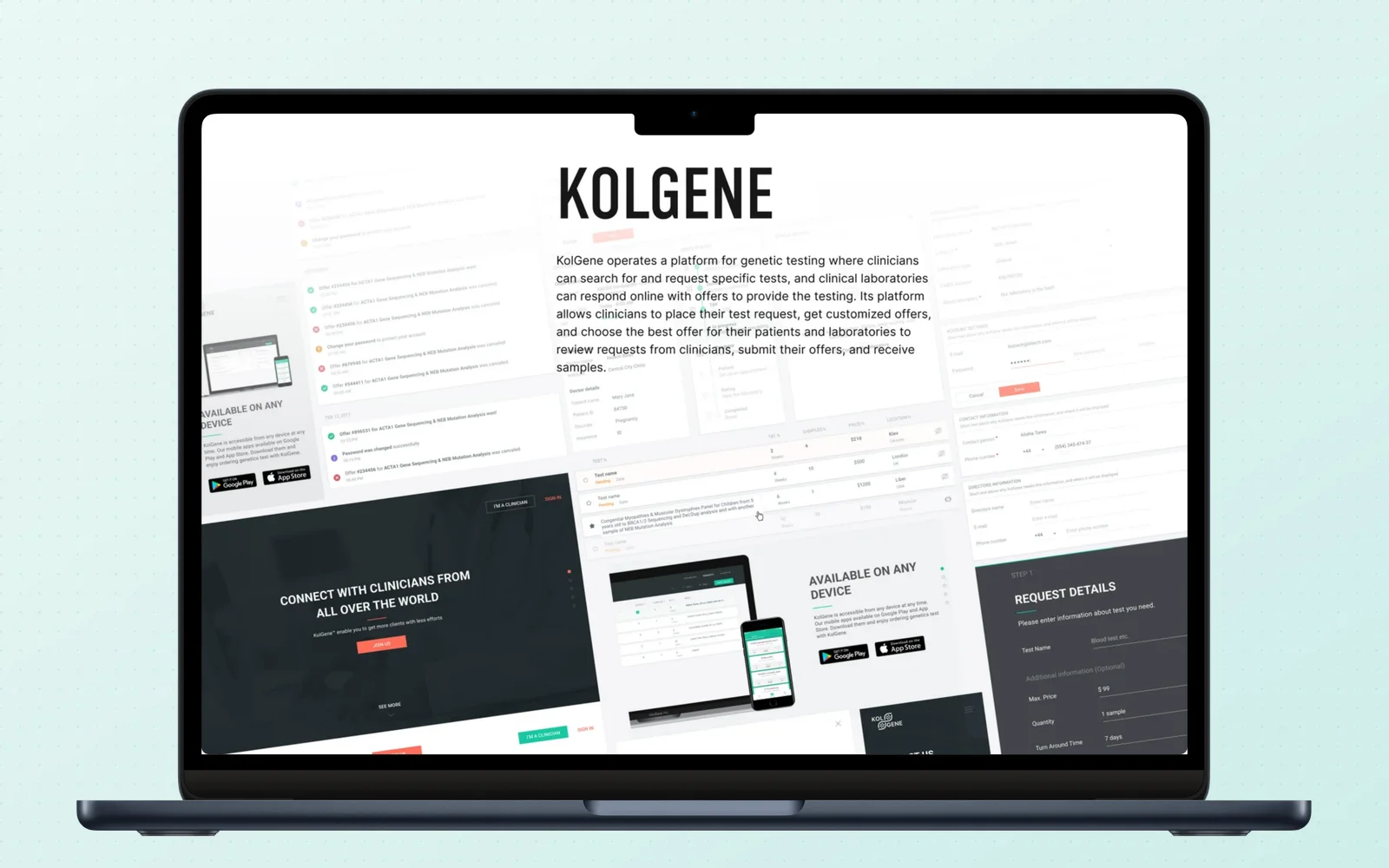
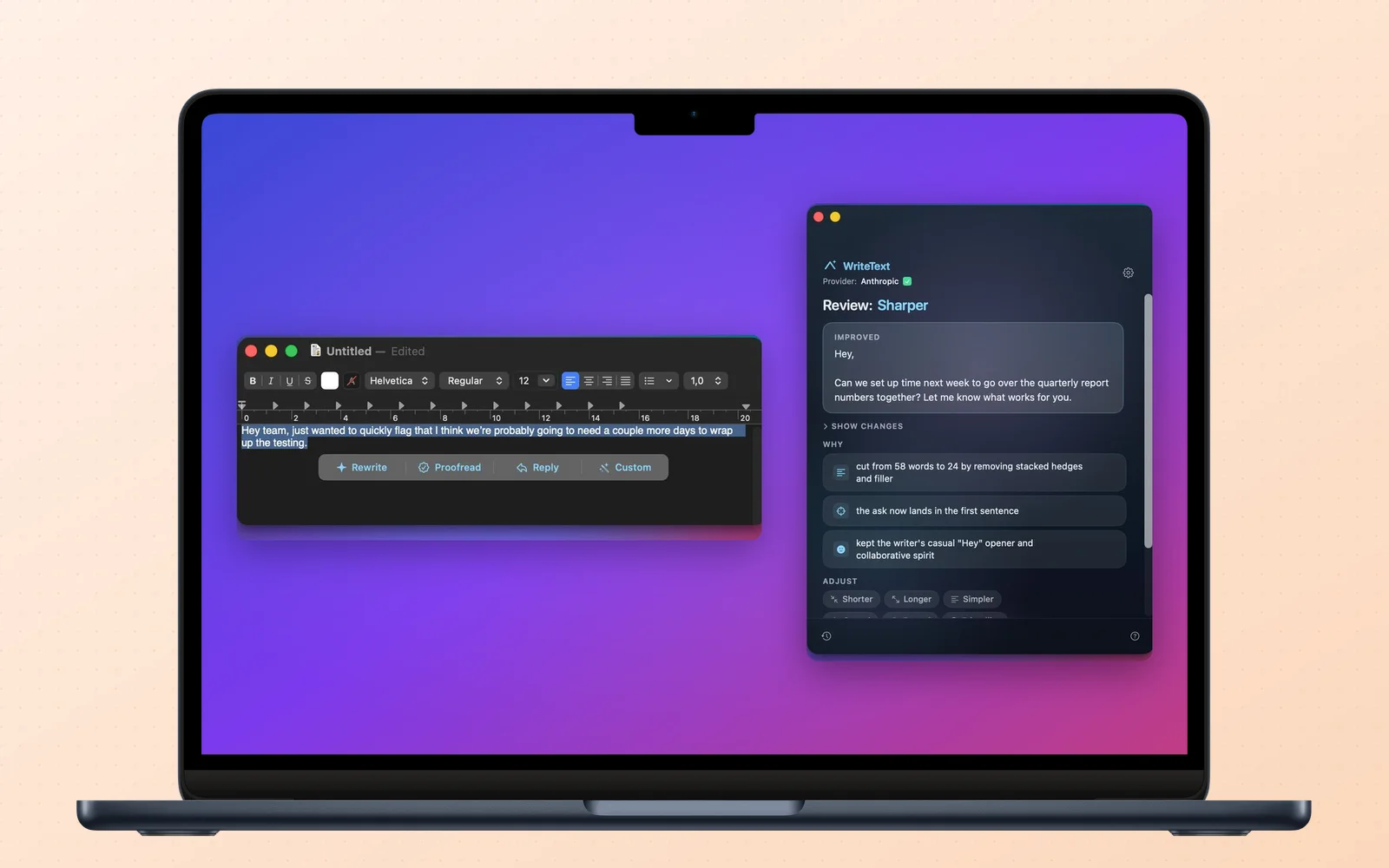
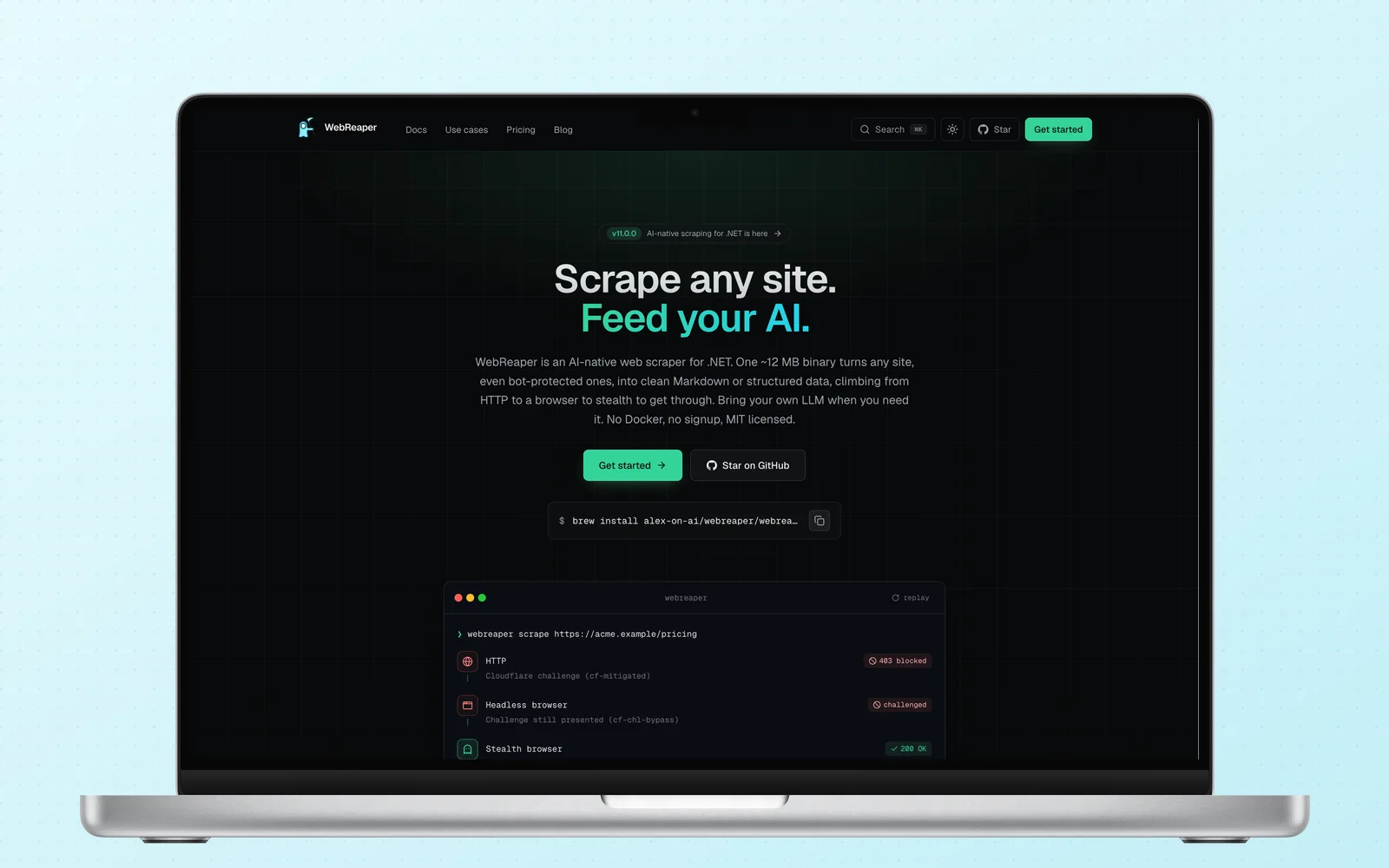
Our clients get to focus on their business, instead of babysitting the stack that holds it together. Client cases below are anonymized where compliance demands; the rest ship under their own names.
How we build AI workflows that stay controllable
Agentic does not have to mean opaque. We put the controls where the risk is: permissions, approvals, and audit around every AI-assisted step.
Frontend
The product your users and staff actually work in.
API
Typed contracts and validation at the boundary.
Workflow engine
The deterministic spine: states, rules, and handoffs.
Agentic workflow layer
Inspects context, suggests next steps, and triggers tools, with human approval where it matters.
AI / LLM services
Models behind evaluation and fallback logic, not raw and unchecked output.
Integrations
EMR, Stripe, CRM, scheduling, and internal APIs.
Audit, monitoring, permissions
Every AI-assisted step logged, observable, and role-gated.
Controls, not black boxes
- Human approval for sensitive actions
- Tool calls scoped by permissions
- Audit logs for every AI-assisted step
- Evaluation and fallback logic, not raw model output
- Role-based access throughout
- Observability in production
- Integration with EMR, Stripe, CRM, scheduling, or internal APIs
Hiring a manufacturing software development team
What buyers ask before they start.
Which plant-floor workflows belong in a custom MES?
Production tracking and MES, inventory and materials, quality, planning, and the integration that ties machines and the ERP together. The common thread is operations data: capturing it on the floor and getting it where decisions are made. Most of the value is in the connection, not any single screen.
Can you connect PLC, SCADA, barcode, and ERP data?
Yes, and that is usually the core of the work. We connect line systems, scanners, and machine data to your ERP and warehouse over their APIs and the protocols the floor speaks. The standard for this kind of integration is ISA-95, and the messy part is making systems that were never meant to talk agree on the same data.
Do you build a full MES, or specific tools?
Both, but we lean toward the focused build. Often the ERP and a standard MES already cover most of your operation, and the real pain is one gap they leave. We will build that gap and integrate it, rather than push a rip-and-replace you do not need.
What proof supports HighCraft on factory operations software?
We have shipped inventory and operations software at scale, tested past a million records, with the integration that syncs data across systems that do not agree. That is the spine a manufacturing build rests on. We bring that engineering to your floor and move fast on the specifics of your operation.
What drives the estimate for a factory software build?
Send the process and the systems it touches, and we reply with a scoped estimate, usually within 1-2 business days. Cost tracks the number of integrations, how much machine and floor data is involved, and the uptime bar. You can work hourly, fixed price, or as a dedicated team.
When are you not the right fit?
If a standard MES or ERP already runs your operation well, buy it, and we will say so. We are also the wrong call for a one-off report. We earn our cost when your process is your edge, your machines do not speak a standard protocol, or the integrations have outgrown what an off-the-shelf system can do.
Tell us about your project
Send the shape of the problem, even if the requirements are still blurry. We reply with a scoped estimate, usually within 1-2 business days. No obligation, NDA on request.
- A senior engineer reads every brief, not a sales rep.
- If an off-the-shelf tool fits better, we will tell you.
- NDA on request before you share anything sensitive.
Prefer email? Write to business@highcraft.io
Rather talk it through? Book a 30-minute estimate review
“They were absolutely phenomenal. The team put in a lot of work to break down what was required of the project and gave an excellent presentation on the process. I highly recommend them and will be working with them again in the future.”
Kayode Leonard
Founder, Project Wolf