There are more marketing automation tools than there are marketing problems, which is itself a marketing problem. (Every vendor is the best, according to the vendor.) This guide cuts through the roundups with an engineer's bias: what each tool is actually for, what it costs, and how to pick one without buying a platform you will spend a year fighting.
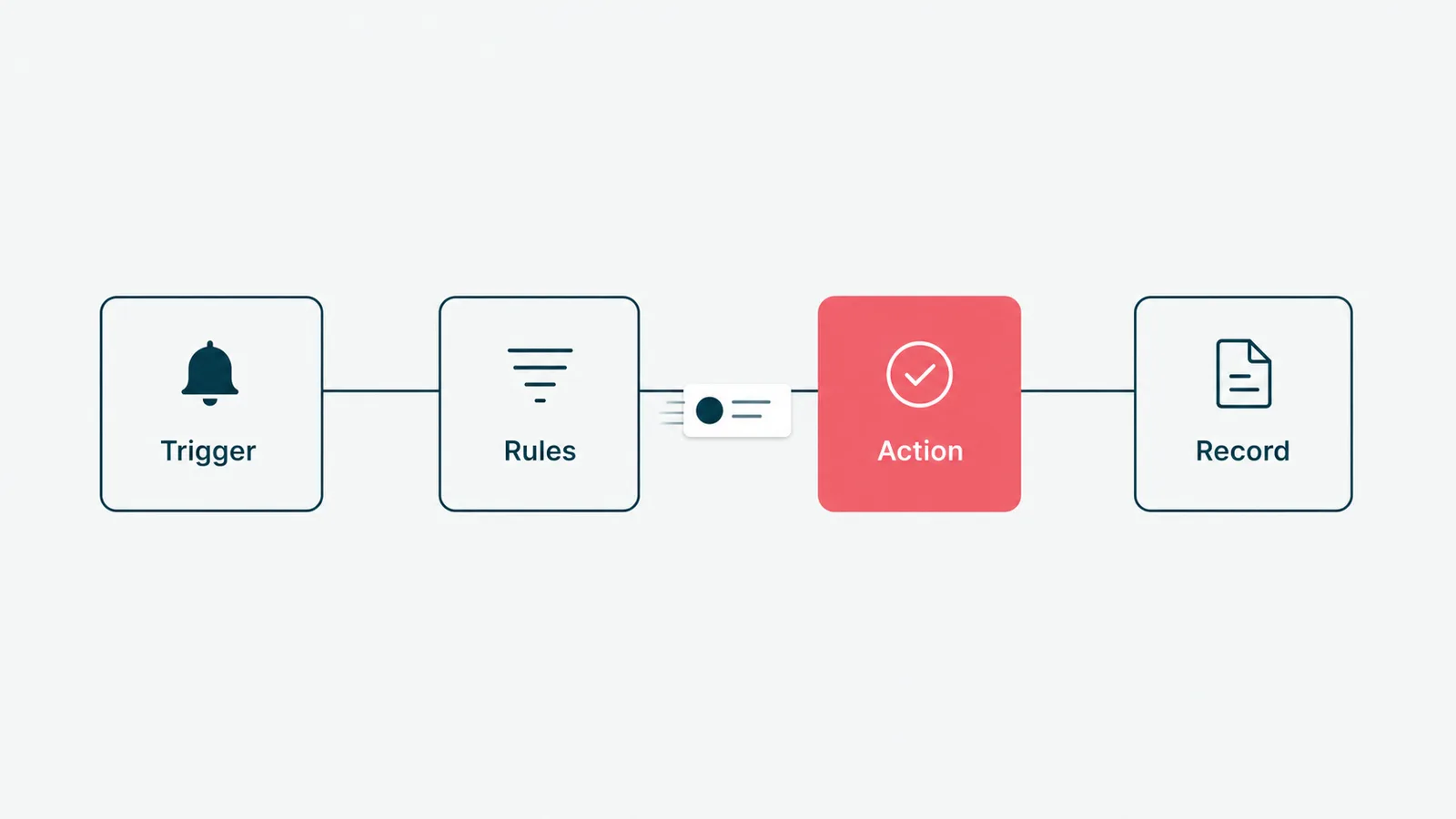
Marketing automation tools are software that runs repetitive marketing work for you: email sequences, contact segmentation, lead scoring, nurture campaigns, and reporting, all triggered by customer behavior. The best marketing automation tools in 2026 share three things: pricing that scales sanely, channels that match how you reach customers, and AI that drafts and predicts rather than just decorates the dashboard. The trick is matching the tool to your stage, not your envy.
A disclosure: we implement and migrate these tools for clients through our marketing automation consulting work, so we have opinions formed by cleaning up the wrong choices. This guide covers what to look for, a side-by-side comparison, the tools by type, the B2B-versus-small-business split, platforms versus point tools, and a decision framework that holds up. One scope note: every tool here messages people already in your database. Cold outbound and AI SDR tools are a different category, ranked separately in our AI SDR tools comparison.
What to look for in a marketing automation tool
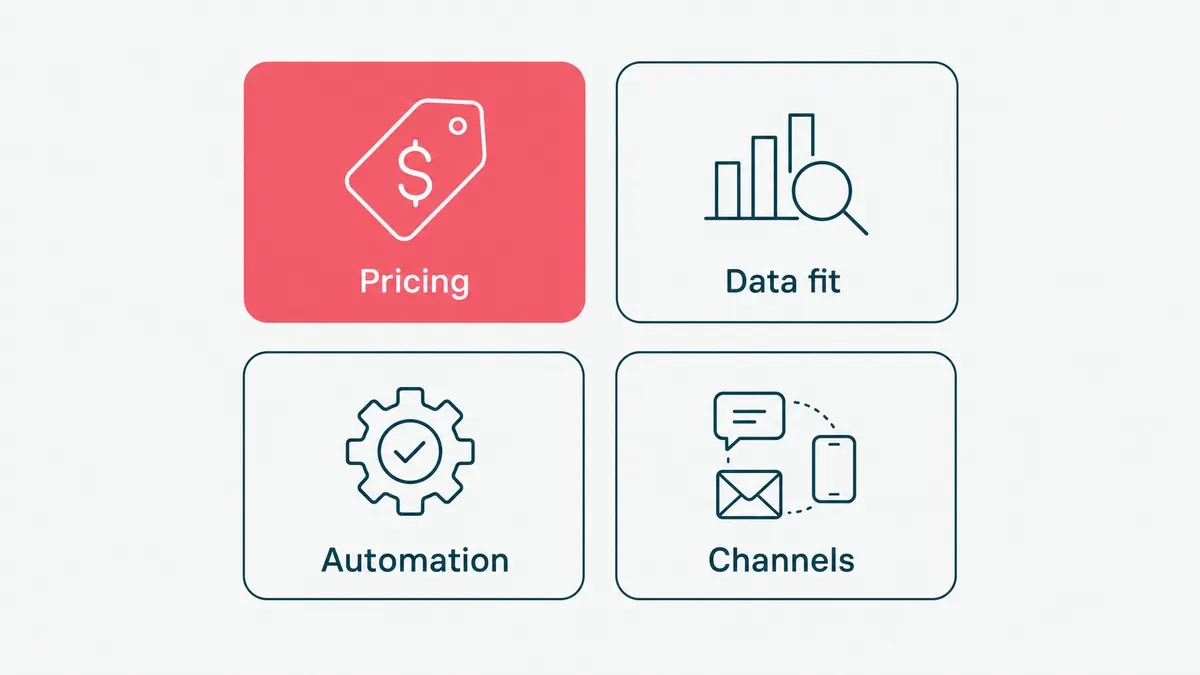
Before the brand names, four criteria decide whether a tool fits, and the sticker price is not one of them.
The first is how the pricing actually scales. Most tools bill by contact count, and several make you pay for unsubscribed or suppressed contacts too, so the real cost is two tiers above the headline. Find the cliff before you sign. The second is data and CRM fit: does the tool have its own CRM, or must it sync to the one you already run. A Salesforce shop and a Shopify store want different tools for exactly this reason. The third is automation depth versus ease of use, matched to your team: a visual builder for marketers, an API-first tool for a technical team, a simple sender for a one-person shop. The fourth is the channels you genuinely need, email only or email plus SMS, push, and WhatsApp, and whether the channel you want is paywalled to the top tier. Get those four right and the brand barely matters.
The marketing automation tools compared
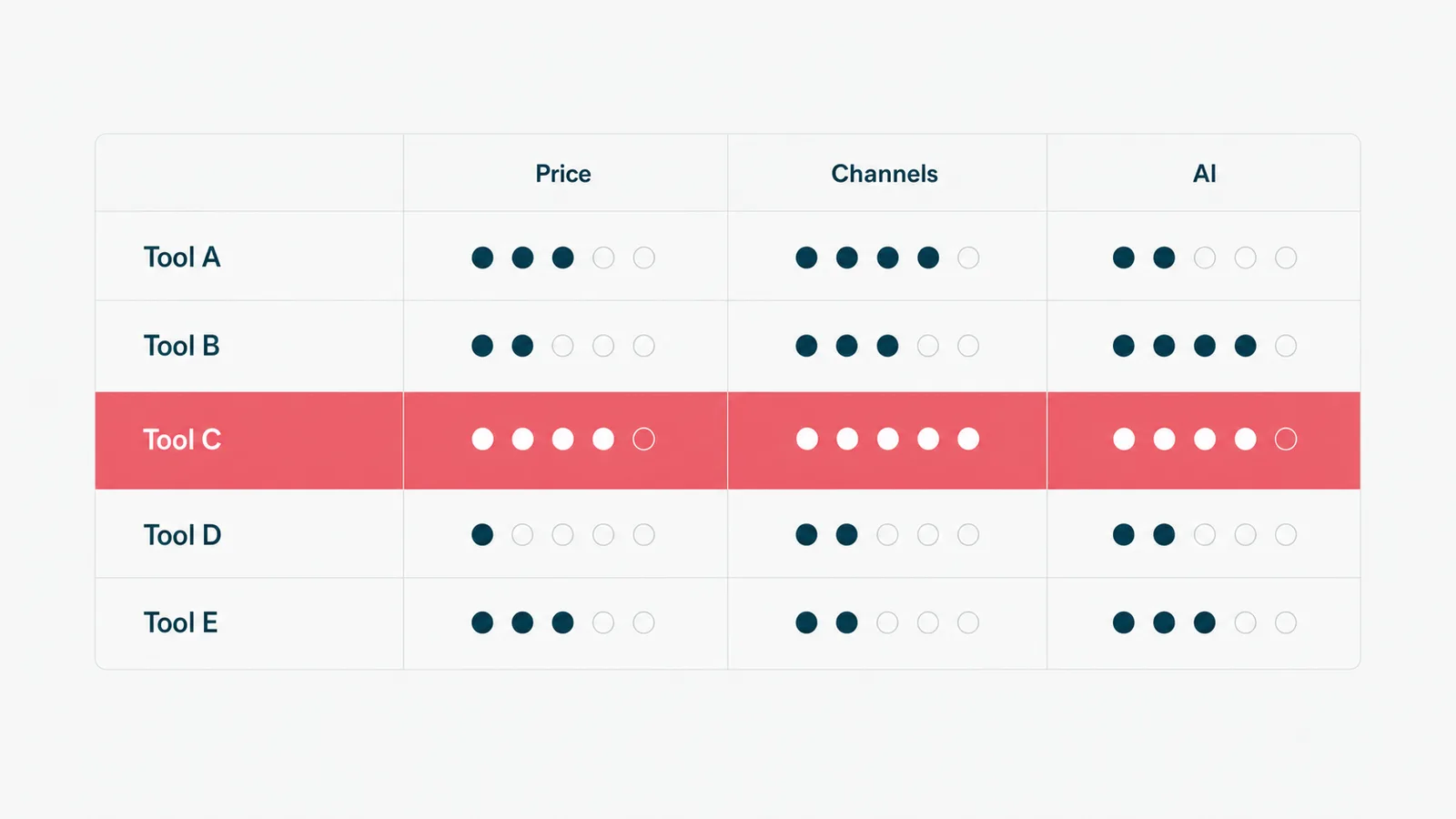
Here is the 2026 landscape at a glance. Prices are rough starting points in US dollars and move often, so treat them as the shape of the bill, not a quote. Contact-based pricing means most of these climb as your list grows.
| Tool | Type | Best for | Free tier | Starts around | AI built in |
|---|---|---|---|---|---|
| HubSpot | All-in-one platform | B2B teams wanting CRM plus marketing | Yes | ~$20/seat, Pro ~$890/mo | Generative copy, lead scoring |
| ActiveCampaign | All-in-one (SMB) | Powerful automation on a budget | Trial only | ~$15/mo | Predictive sending, AI content |
| Brevo | Email-first / SMB | Cheap email plus SMS and WhatsApp | Yes | ~$9/mo | AI copy, send-time tuning |
| Mailchimp | Email-first / SMB | Easy, familiar email marketing | Yes (tight) | ~$13/mo | Subject-line and content AI |
| Klaviyo | Ecommerce | Online stores on Shopify or Woo | Yes | ~$20/mo | Predictive CLV, AI campaigns |
| Omnisend | Ecommerce | Small stores wanting email plus SMS | Yes | ~$16/mo | AI product recs and content |
| GetResponse | All-in-one (SMB) | Email plus webinars and courses | Yes | ~$19/mo | AI campaign generator |
| Marketo Engage | Enterprise B2B | Large demand-gen teams | No | Custom (low thousands) | Predictive content and scoring |
| SF Account Engagement | Enterprise B2B | Teams already on Salesforce | No | ~$1,250/mo | Einstein scoring and content |
| Customer.io | Developer / product-led | Event-driven product messaging | Trial only | ~$100/mo | AI copy, agentic actions |
The tools, by type
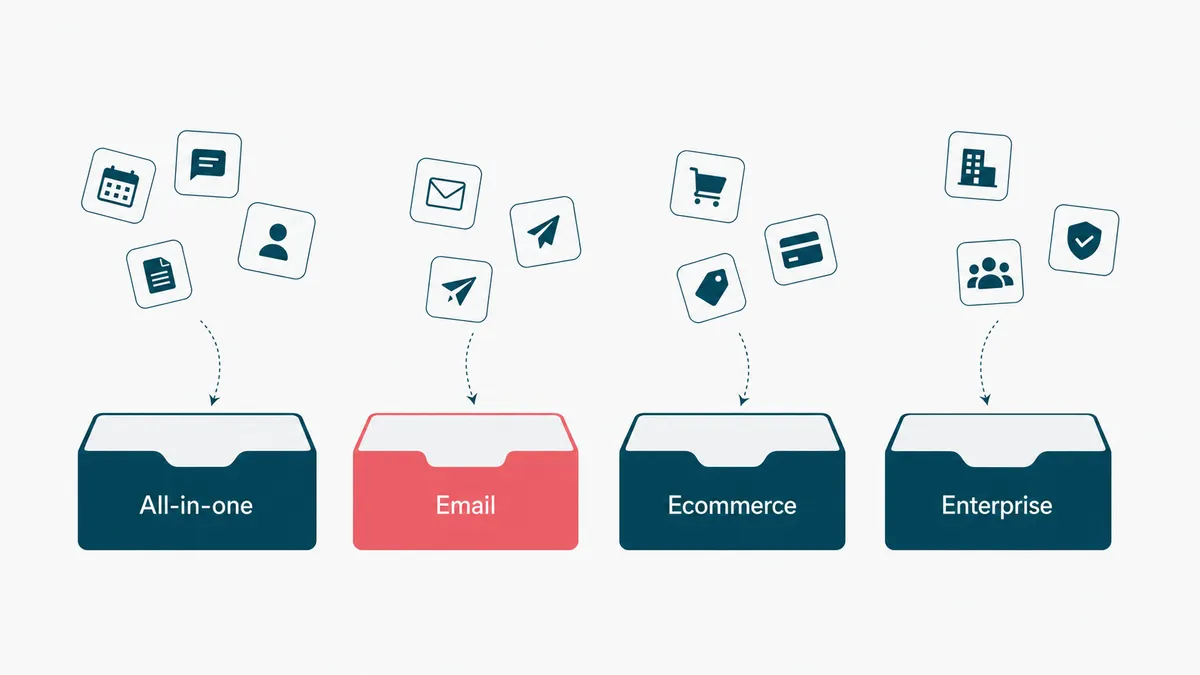
The names make more sense once you sort them by what they are built to do.
The all-in-one platforms put CRM, email, landing pages, automation, and reporting under one roof. HubSpot is the default for B2B teams that want everything connected and will pay for it, with a real free tier and a steep climb to the Professional plan. ActiveCampaign and GetResponse give SMBs most of that breadth at a fraction of the price, with ActiveCampaign's visual automation builder still one of the best for the money.
The email-first tools keep it simple for small businesses. Brevo is the budget multichannel pick, email plus SMS and WhatsApp for a low entry price. Mailchimp is the familiar one, easy to start, though its free tier shrank hard and it counts contacts in ways that surprise people. The ecommerce tools are a category of their own: Klaviyo is the heavyweight for online stores, with a deep store-data model and genuinely strong AI, while Omnisend covers smaller shops wanting email and SMS without the climbing bill.
At the top end sit the enterprise B2B platforms. Marketo Engage and Salesforce Account Engagement (the tool formerly known as Pardot) handle complex nurture and attribution for large teams, with custom-quote pricing and implementations measured in months. And Customer.io is the developer's choice, an event-driven messaging tool for product-led teams that want to trigger on real behavior. IBM has a vendor-neutral primer if you want the category defined without a sales pitch attached.
Best for B2B, and best for a small business
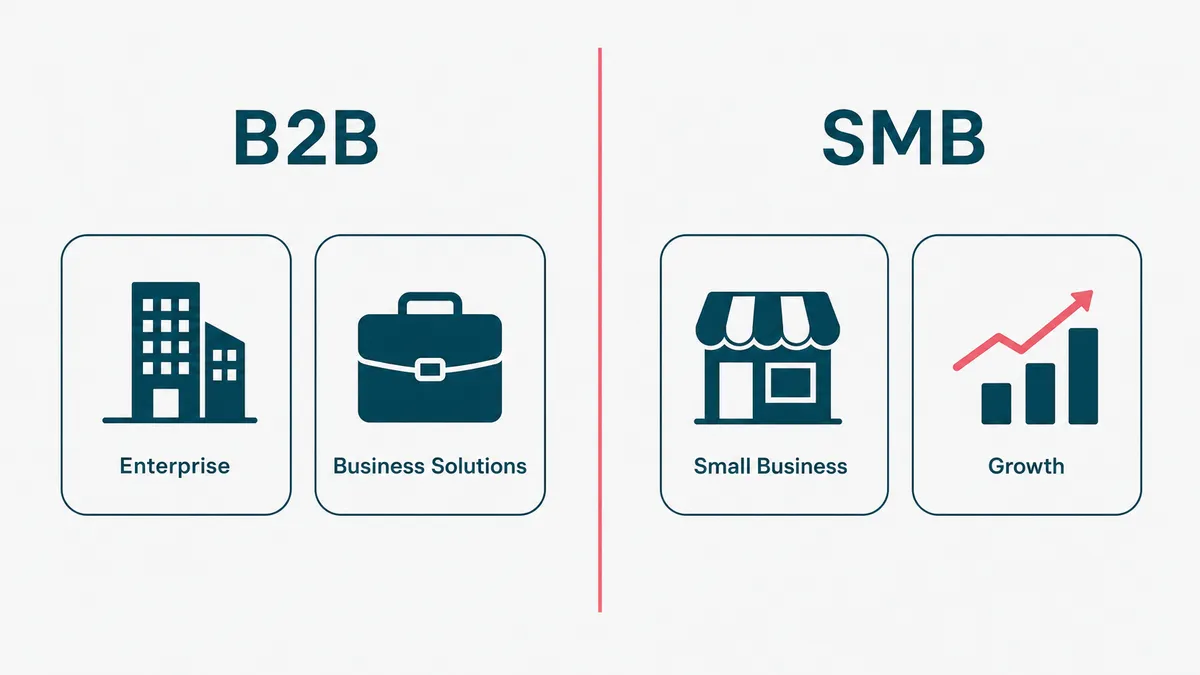
The right tool depends heavily on which of these you are.
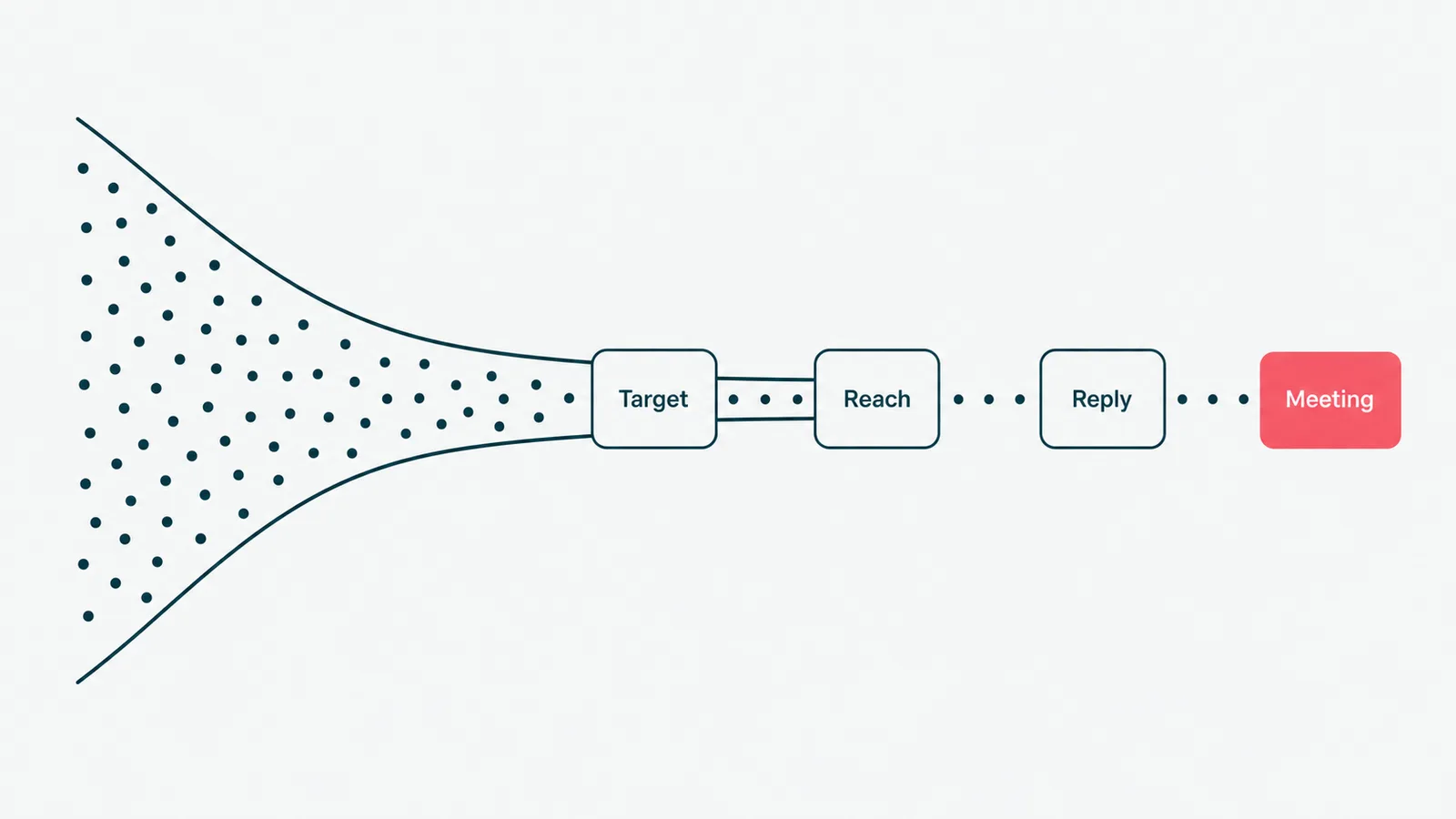
For B2B, the question is how you sell. If you run long, multi-touch deals and live in Salesforce, Account Engagement keeps everything native. If you want CRM and marketing in one suite without the Salesforce tax, HubSpot is the safe default. If you are a large team with serious demand-gen and attribution needs, Marketo earns its price, though only at that scale. The thread is lead scoring and CRM integration, which is what B2B lead generation actually runs on.
For a small business, the question is your list and your channels. ActiveCampaign gives you the most automation power per dollar. Brevo is the cheapest way to do email plus SMS. Mailchimp is the gentlest on-ramp. And if you sell products online, skip the general tools entirely and use Klaviyo or Omnisend, because store-native data beats a generic platform bolted onto your shop. Match the tool to your size and you avoid paying enterprise prices for a one-person send.
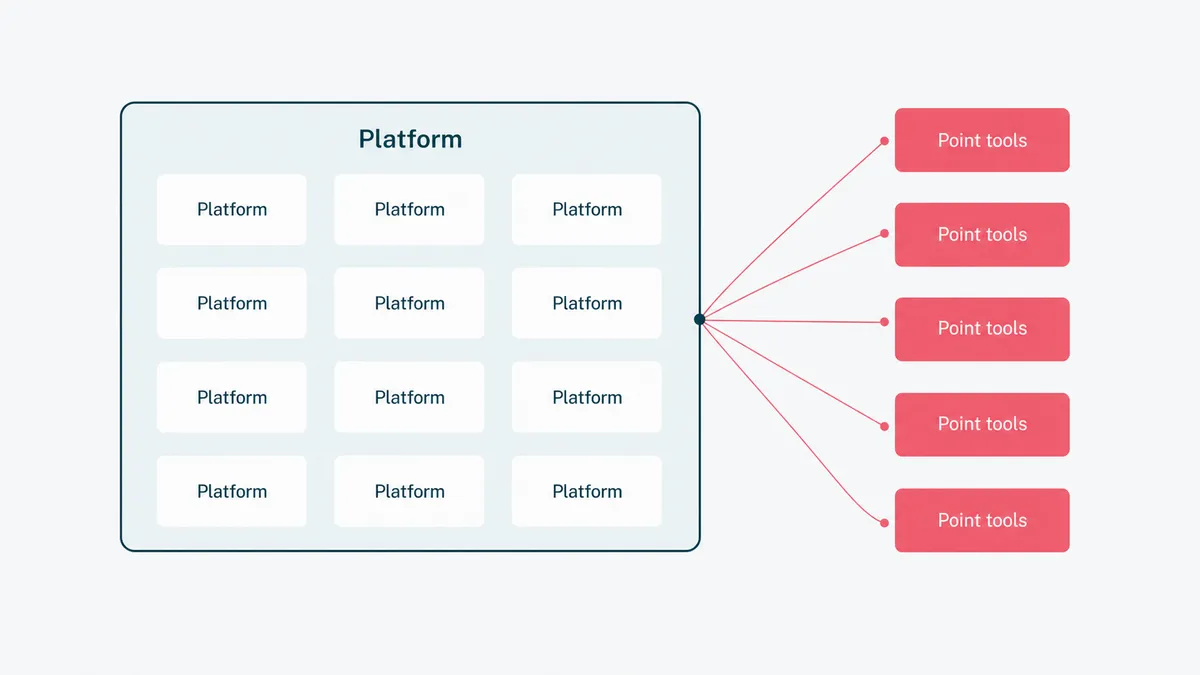
Platforms versus point tools: which you actually need
This is the choice underneath all the others. A platform consolidates your stack into one paid ecosystem; a point tool does one job well and connects to the rest.
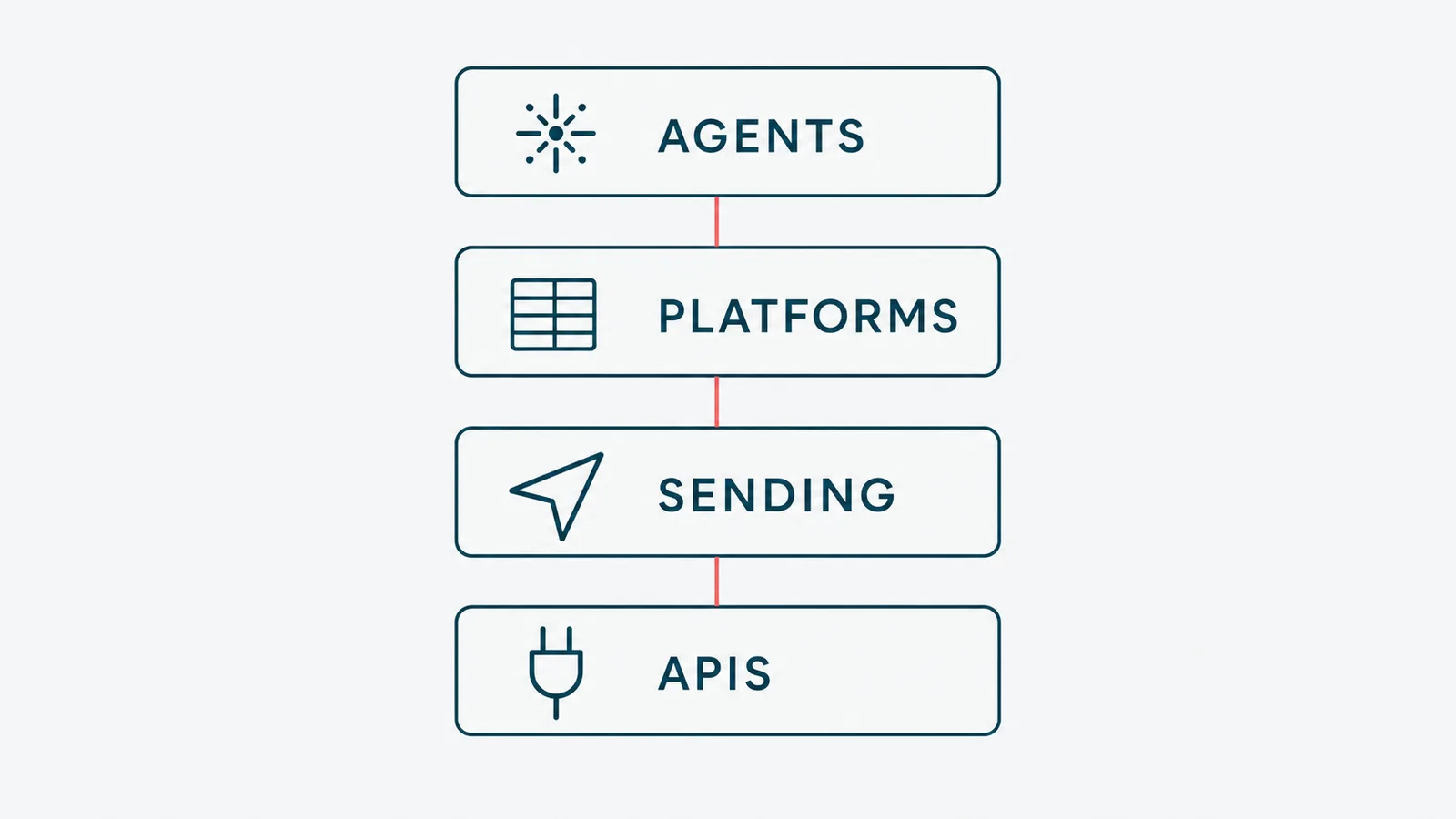
Buy a platform when consolidation and unified reporting are worth the price and the lock-in, and when you have the team to run it. HubSpot, Marketo, and Account Engagement are platforms in that sense. Buy a point tool when you want depth in one channel for less and you are happy to stitch your own stack, which is where Klaviyo, Omnisend, and Customer.io live. The rule of thumb: platforms sell you consolidation and reporting, point tools sell you depth at lower cost. Most SMBs overbuy here, paying for a platform's breadth to use a tenth of it, which is the marketing-software version of buying a pickup truck to carry a laptop.
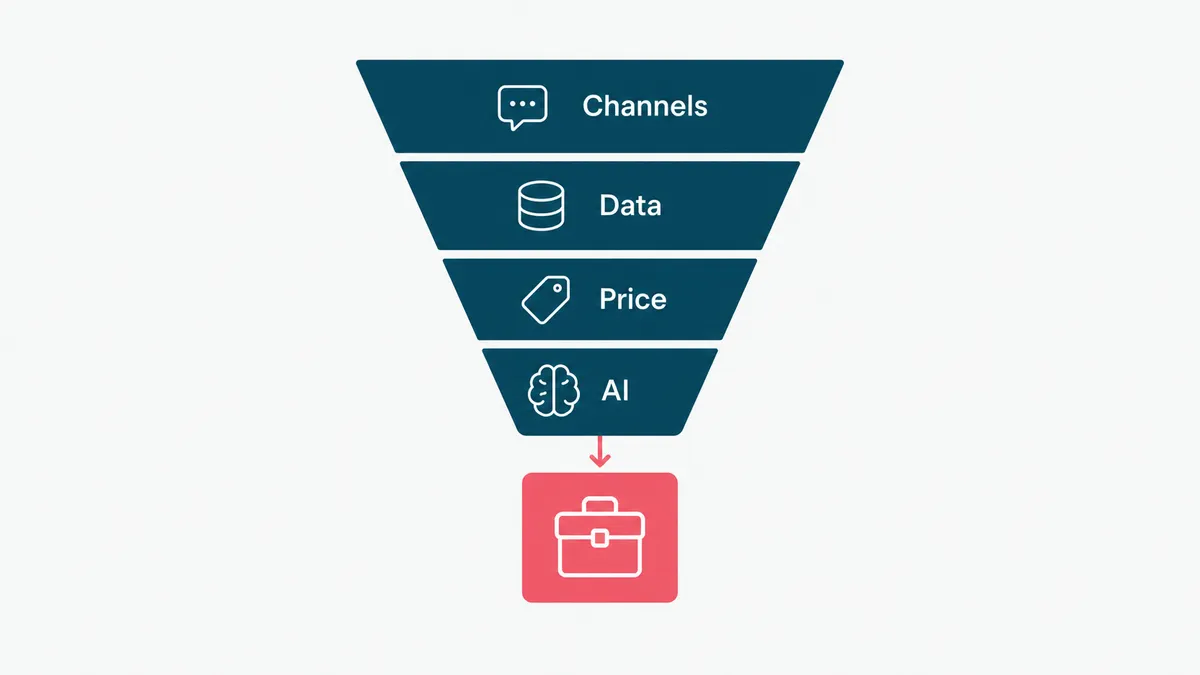
How to choose without overbuying
Skip the feature-comparison spreadsheet; it always picks the tool with the most checkboxes, which is rarely the right one. Choose in this order instead. Start with your channels and where your customer data already lives, because those eliminate most of the list immediately. Then pick the cheapest tool that covers them with room to grow one tier, not five. Then, and only then, look at the AI features.
That order matters more in 2026 than ever, because AI is now the loudest part of every pitch and the least decisive. Every tool here generates copy and predicts send times; the generation is no longer the hard part. Now that any of these tools can produce a hundred decent email variants in a minute, the scarce skill is the judgment to pick the one that lands, and no tool sells you that. This is the trap we watch clients fall into: buying the platform with the flashiest AI demo, then discovering the AI writes the easy part and the strategy was always the job. We have migrated more than one team off a tool they bought for the demo and onto one that fit the work. If you want that decision made with someone who has cleaned up the alternative, our marketing automation consulting is built for exactly this, and the same build-or-buy logic from AI business automation applies: buy when your process looks like everyone else's, build only when it is your edge.
One last filter, the honest one. The best marketing automation tool is the one your team will actually use, fully, not the most powerful one gathering dust at the top of your subscription list. If you are using a fraction of what you pay for, you do not need a better tool, you need a smaller one or a clearer plan. Send us your stack and your goal and we will tell you which tool fits, or that the free tier you already have is plenty. Email us. We do not get a commission either way, which is exactly why the advice is worth reading.