Outbound has a bad reputation, and most of it is earned. (If your last "personalized" email opened with "I came across your profile," you already know why.) Done lazily, outbound is spam with a CRM. Done well, it is the most reliable way to put meetings on the calendar this quarter instead of next year.
Outbound lead generation strategies are the deliberate tactics a team uses to reach prospects directly, through cold email, calls, and social outreach, rather than waiting for them to arrive. The strategies that work in 2026 share three traits: tight targeting, real personalization, and multichannel follow-up. The ones that fail share one: they treat volume as a substitute for relevance. The difference is everything.
A disclosure: we build outbound systems for clients, so we are not neutral. We also built our own pipeline this way, one delivery at a time, so we are not theorizing either. This guide covers what outbound is, the strategies that book meetings, where AI actually helps, how to measure it, and when to hand it to someone else.
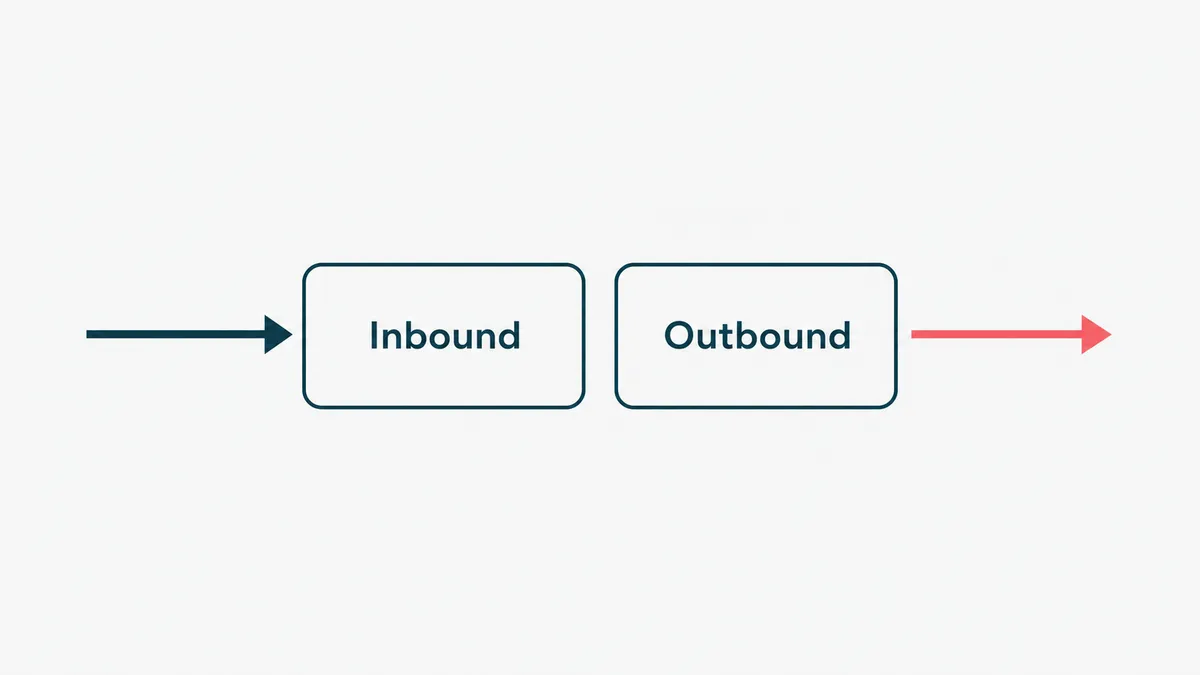
What outbound lead generation is, and when to use it
Outbound lead generation means going to your prospects directly instead of waiting for them to find you. Inbound earns attention with content and search and compounds slowly. Outbound buys attention with targeted outreach and produces pipeline now, which is exactly why it matters when you need revenue this quarter and your content engine is still warming up.
The two are not rivals; they are a portfolio. Inbound is the long game that gets cheaper over time. Outbound is the lever you pull when you have a clear offer, a clear audience, and a gap to fill before inbound matures. If you sell to a defined set of companies and you know who the buyer is, outbound is the fastest path from "we should talk to them" to "we are on their calendar." We make the broader case for owning that pipeline in our AI lead generation work.
Get the list right before you write a word
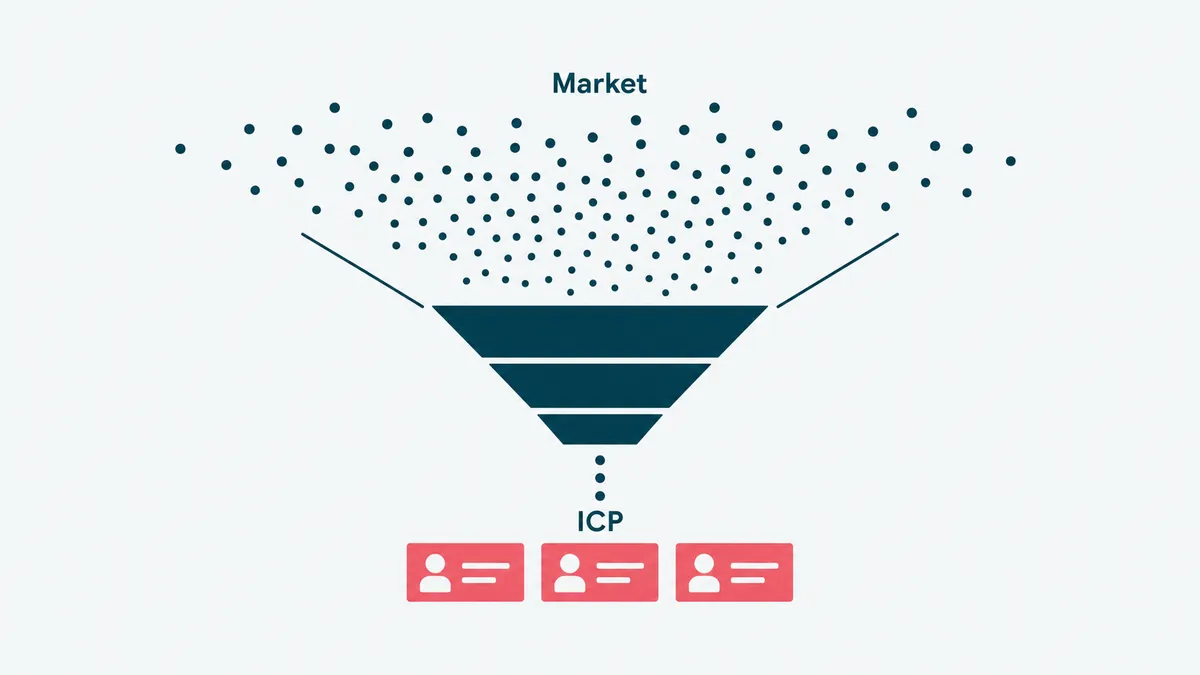
Every failed outbound campaign I have seen failed here, not in the copy. If the list is wrong, a perfect email lands in the wrong inbox, and no amount of clever subject line saves it. So the first strategy is the least glamorous: define a tight ideal customer profile and build a list that matches it.
Start narrow. Pick the segment where your offer is obviously a fit, by industry, size, role, and a trigger that says now is the time: a new hire, a funding round, a tech change, a job posting that reveals the pain you solve. Then build the list deliberately, with verified contacts and the buyer plus the people around the decision. A list of 200 genuinely right-fit accounts beats 5,000 names scraped from a directory, because relevance is what gets a reply and protects your domain from the spam folder. For business-to-business teams, we go deeper on this in B2B lead generation.
Work across channels, not just the inbox
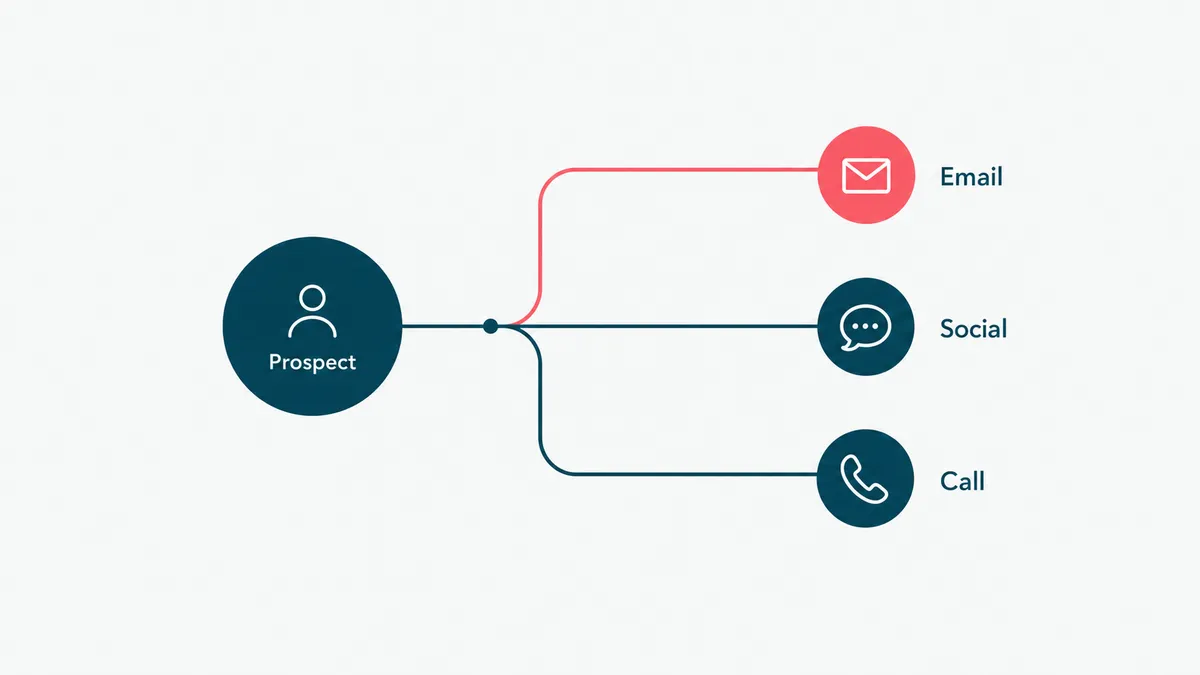
One email is not a strategy; it is a coin flip. The strategies that work surround a prospect across a few channels, so a missed email is caught by a LinkedIn touch and a well-timed call lands when text is ignored.
The mechanics matter. On cold email, keep it short, lead with their problem rather than your product, make one clear ask, and stay on the right side of the rules; the FTC's CAN-SPAM guidance is the plain-English version of what is required. On social, warm the prospect before you pitch by engaging with their work first, because a cold ask on a connection request converts almost no one. On calls, use them to break through after a few digital touches, not as the opener. Run these as one coordinated sequence, and the channels compound instead of competing.
Get replies with personalization and follow-up
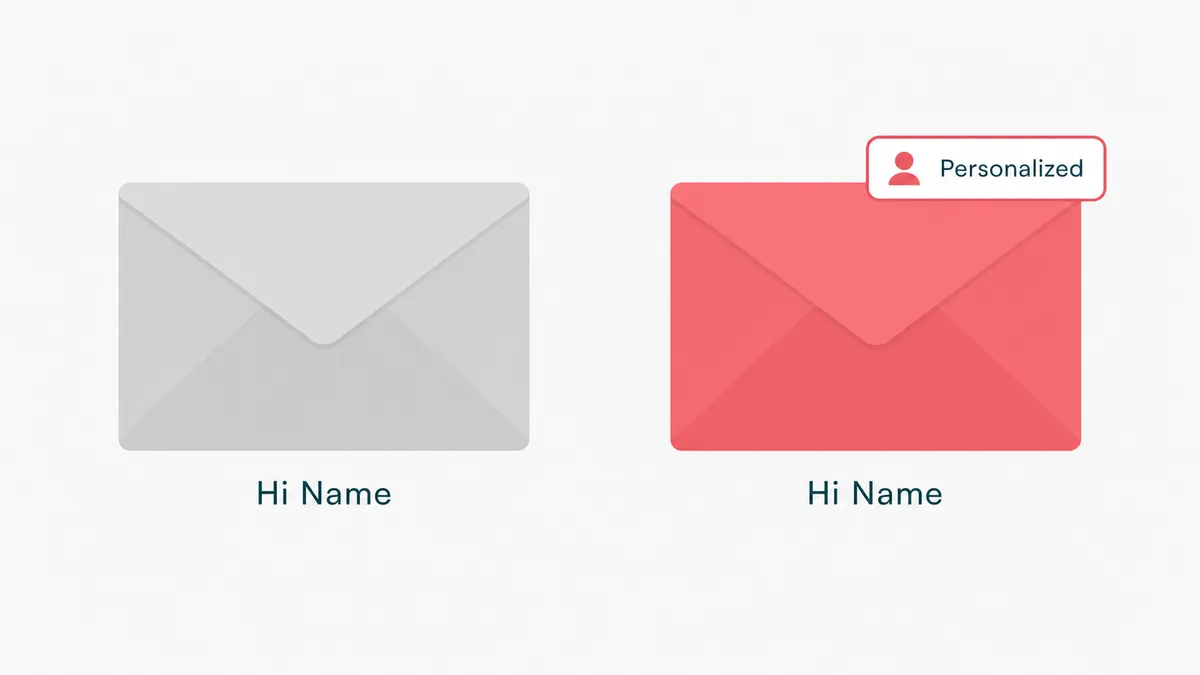
Two strategies separate the campaigns that book meetings from the ones that get marked as spam: real personalization and disciplined follow-up.
Personalization is not merge tags. "Hi {FirstName}, I see you work at {Company}" fools no one. Real personalization references something true and specific, the trigger that put them on your list, a detail from their world, a problem their role actually feels, and it earns the reply because it proves a human thought about them. Follow-up is the other half, and the one most teams quit on too early. Most responses come after several touches, often six to eight across two to three weeks, so the pipeline is hiding in the messages you were too polite to send. The trick is to make each follow-up add something, a new angle or a useful resource, rather than just "bumping this to the top of your inbox," a phrase that has never once worked.
Where AI actually helps outbound
AI did not kill outbound; it raised the floor and the ceiling at once. The floor, because anyone can now send personalized-looking volume, which is why generic outreach works worse than ever. The ceiling, because a well-built system can research and personalize at a scale a human cannot match.
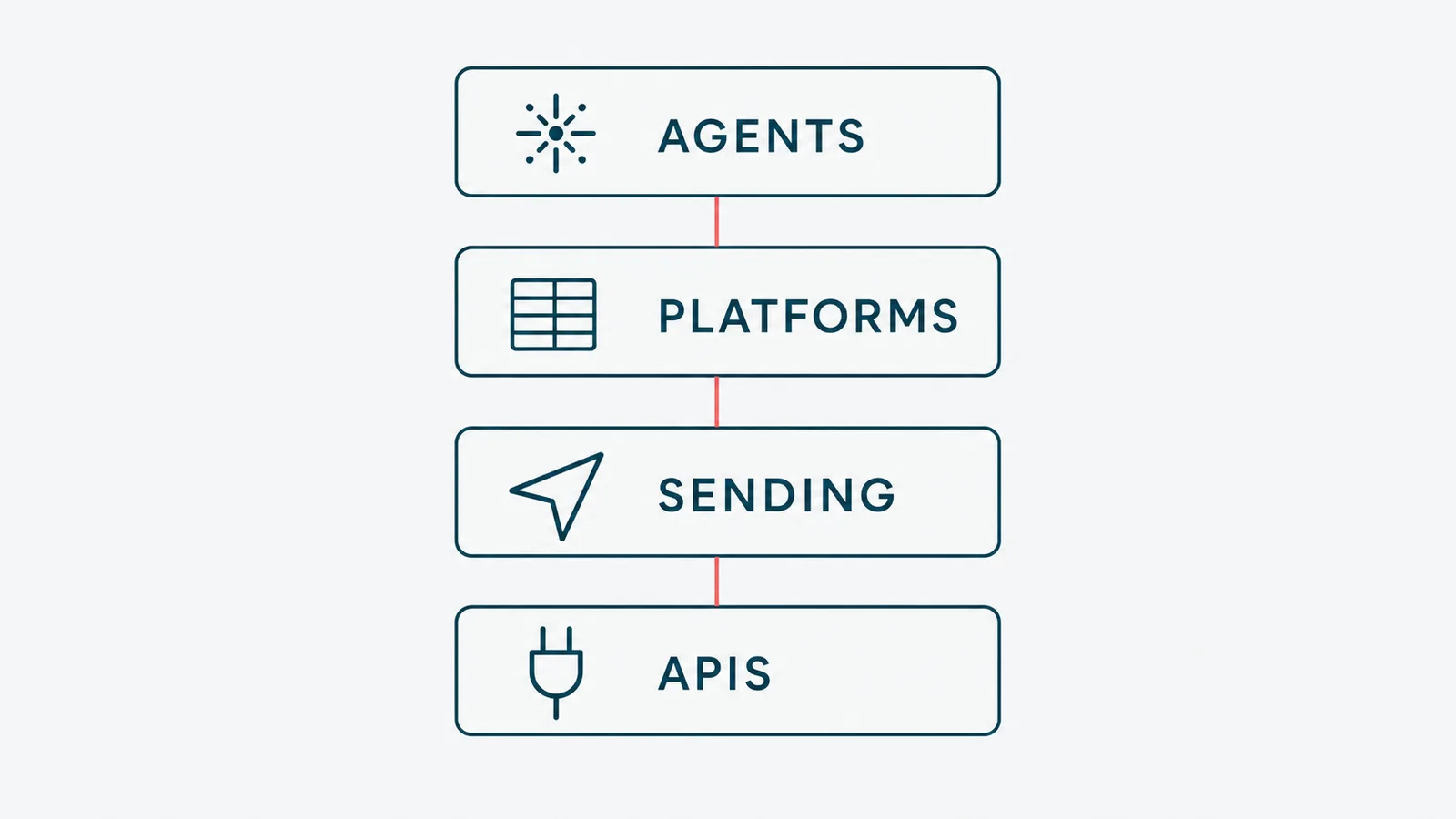
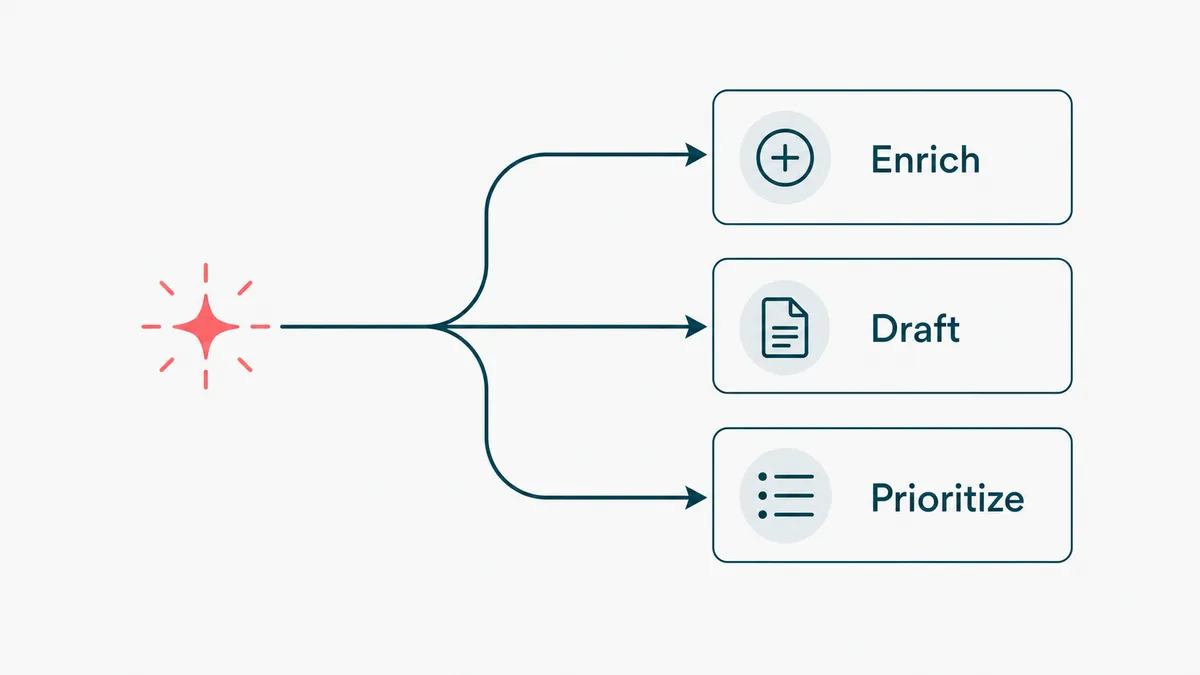
The honest use is the unglamorous middle. AI is good at enrichment, pulling the context that makes a message relevant, drafting a first-pass personalization from real account data, scoring which leads to prioritize, and handling the follow-up cadence so a warm lead never goes cold because someone got busy. What it should not do is send unsupervised; an agent that emails your best prospect something strange is a fast way to burn a list. We build the kind that drafts and a human approves anything risky, which is exactly the line our AI sales assistant work draws. The grind is automated. The judgment stays human.
Measure the few numbers that matter
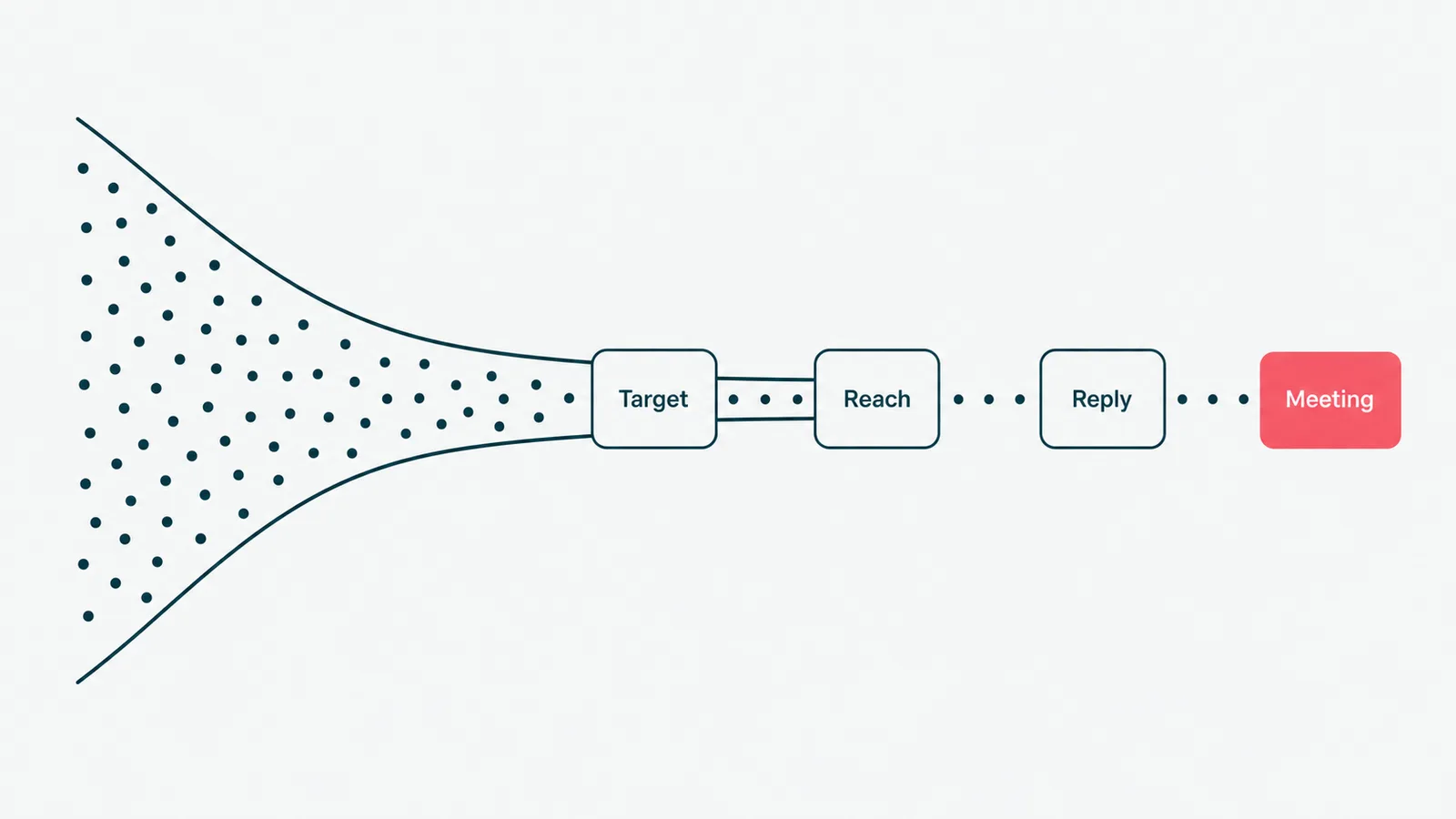
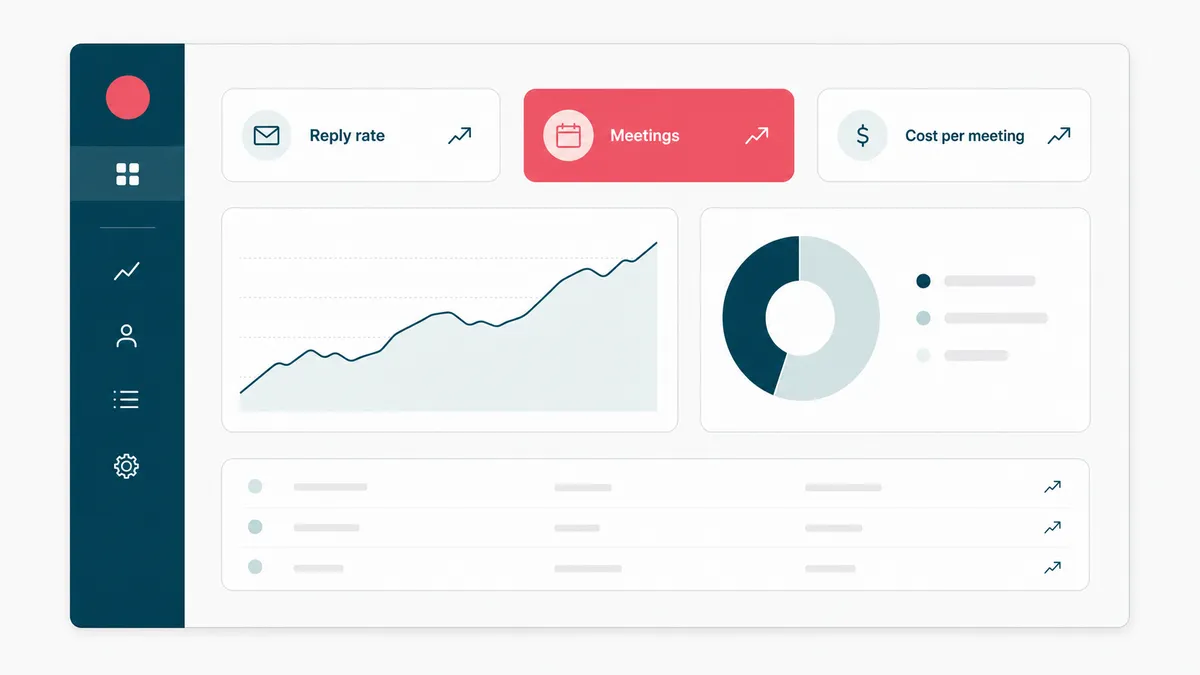
Outbound is a system, and you cannot improve a system you do not measure. The vanity metric is emails sent. The metrics that matter run down the funnel: reply rate tells you whether the targeting and message land, meetings booked tells you whether the replies are real, and cost per meeting tells you whether the whole thing pays. Track those three and you can see exactly where the funnel leaks.
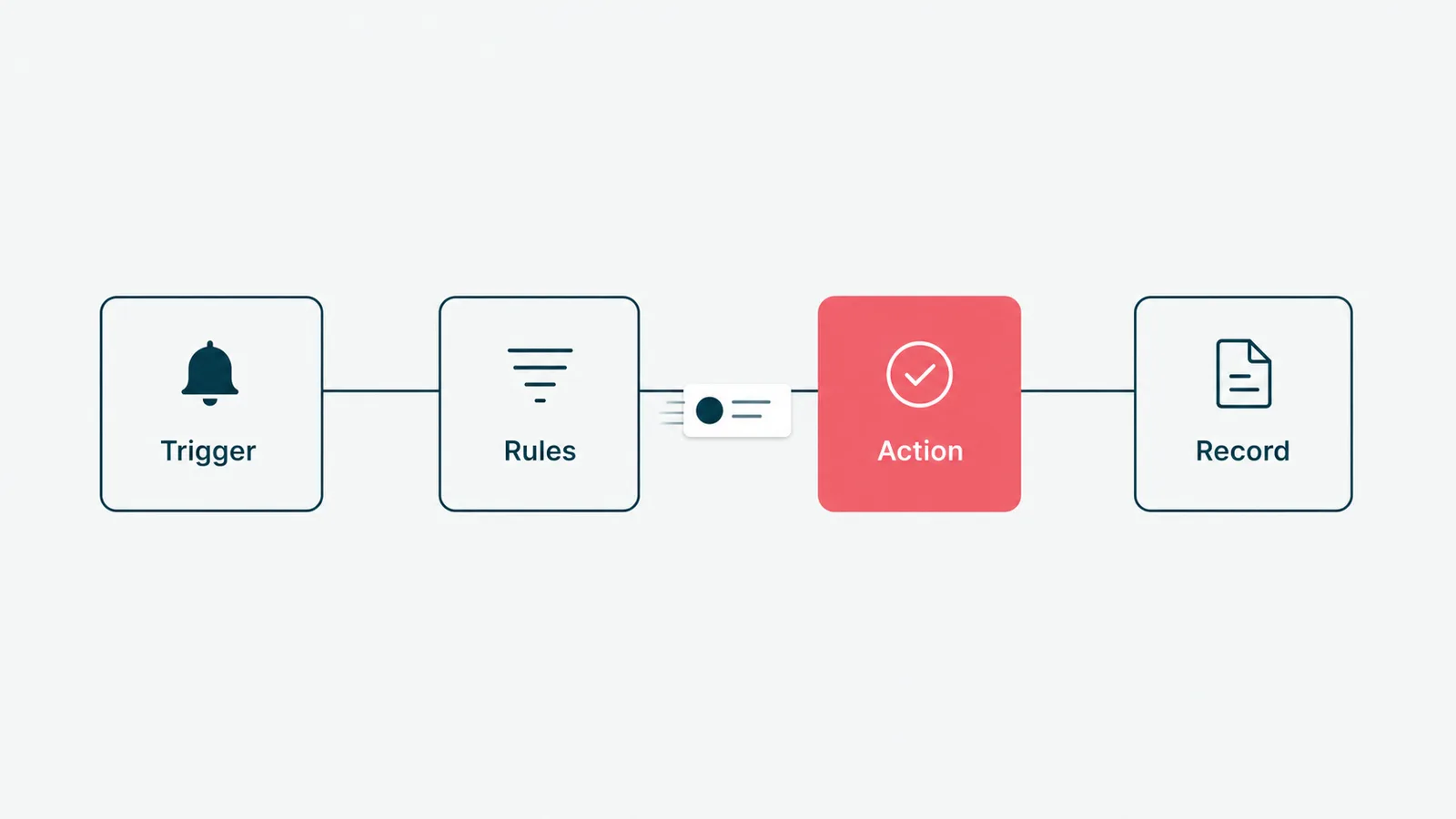
Then improve one variable at a time. Change the list or the subject line or the offer, not all three, so you know what moved the number. Outbound rewards the team that treats it like an experiment, not a slot machine. The same discipline that makes sales automation work makes outbound work: measure, adjust, repeat, and let the data overrule the opinion in the room.
When to run it in-house, and when to get help
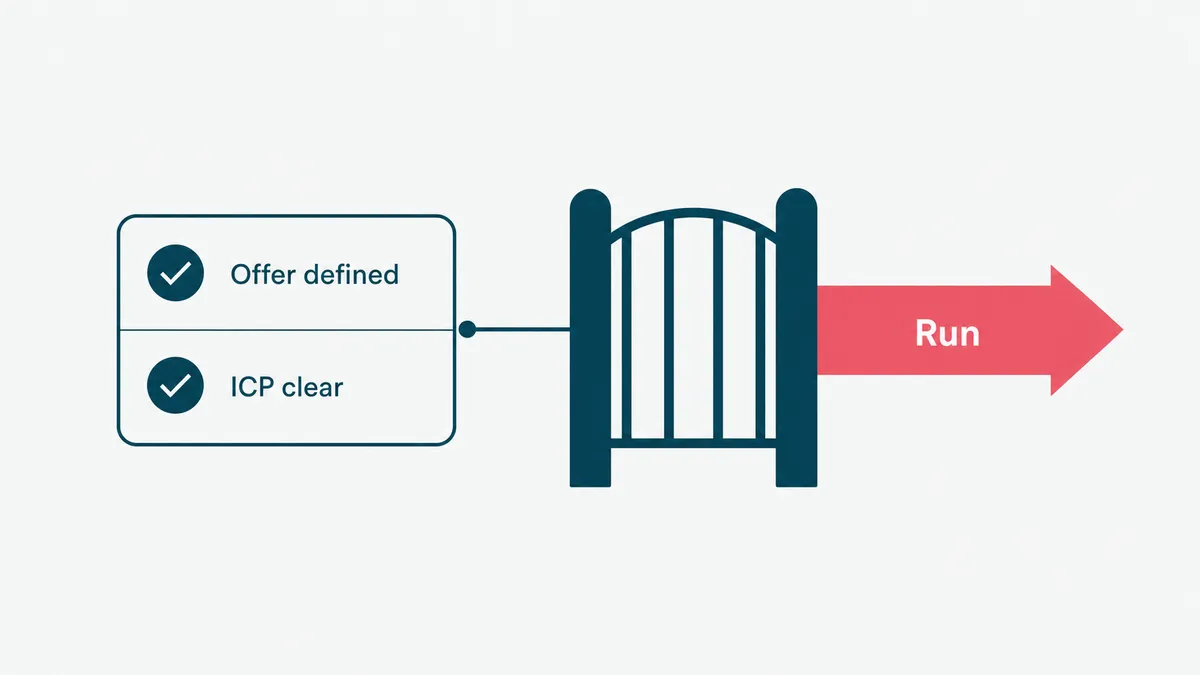
The fastest way to waste money on outbound is to outsource a motion you have not figured out yet. No agency can sell an offer you cannot describe or reach a buyer you have not defined, so if your positioning is still moving, keep outbound in-house and cheap until it settles. That is not a limitation; it is the order that works.
Bring in help when the opposite is true: you have a clear offer and a clear buyer, the outreach is working when you find time to do it, and the bottleneck is that you cannot run it consistently. That is the moment a system pays for itself. We earned our own footing this way, Top Rated and a 100 percent Job Success Score on Upwork built one delivery at a time, which is also why we will tell a prospect to wait when their offer is not ready, instead of selling them a campaign that cannot work yet. Honest scoping keeps the relationship longer than the invoice would have.
If you want to learn the foundations first, we wrote a plain-English companion in what is sales automation. And if you would rather hand the pipeline to a team that does this for a living, send us your offer and your ideal customer and we will tell you whether outbound is your fastest lever or whether your money is better spent elsewhere this quarter. Email us. We promise our first message will not begin with "I came across your profile."