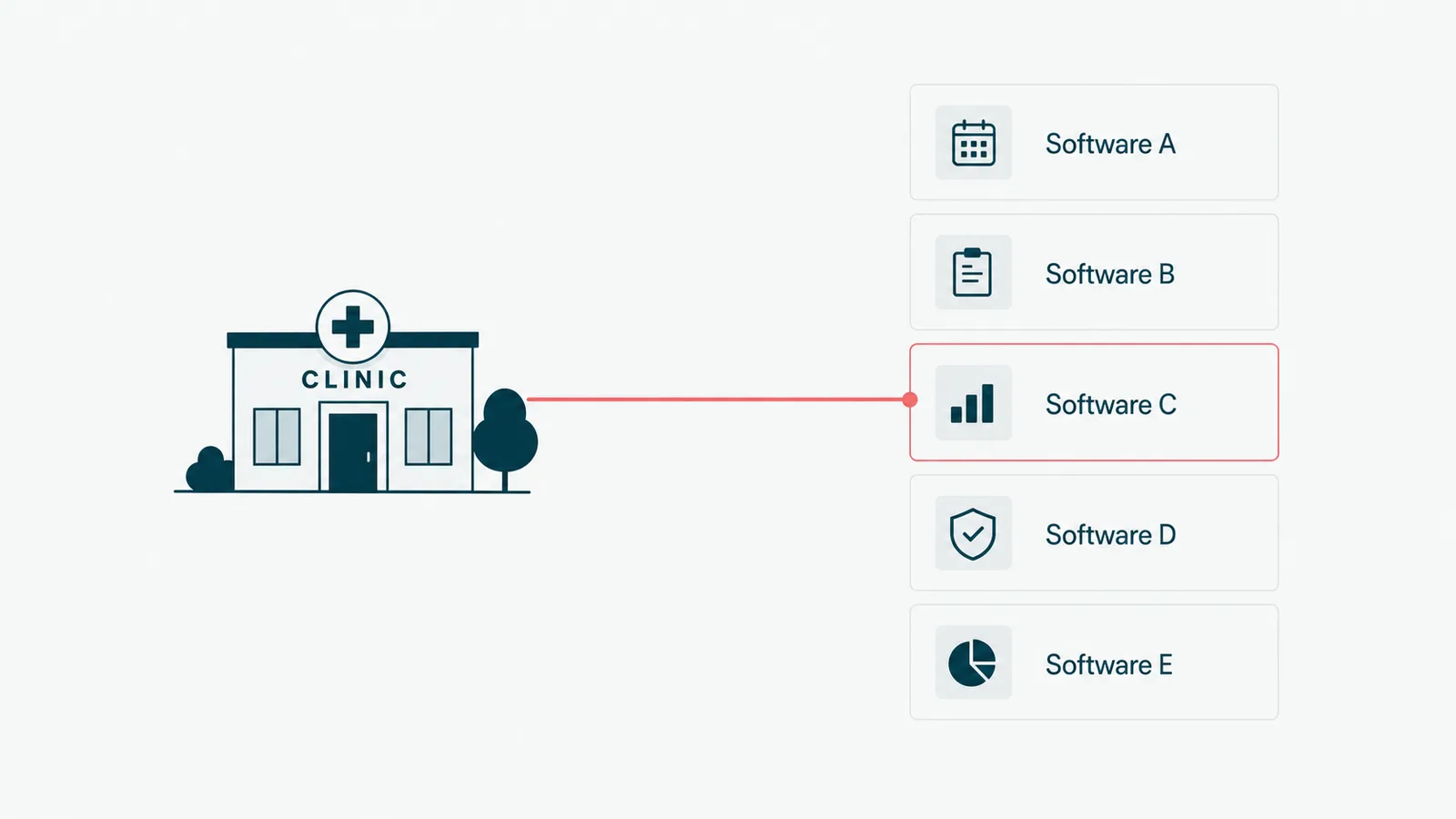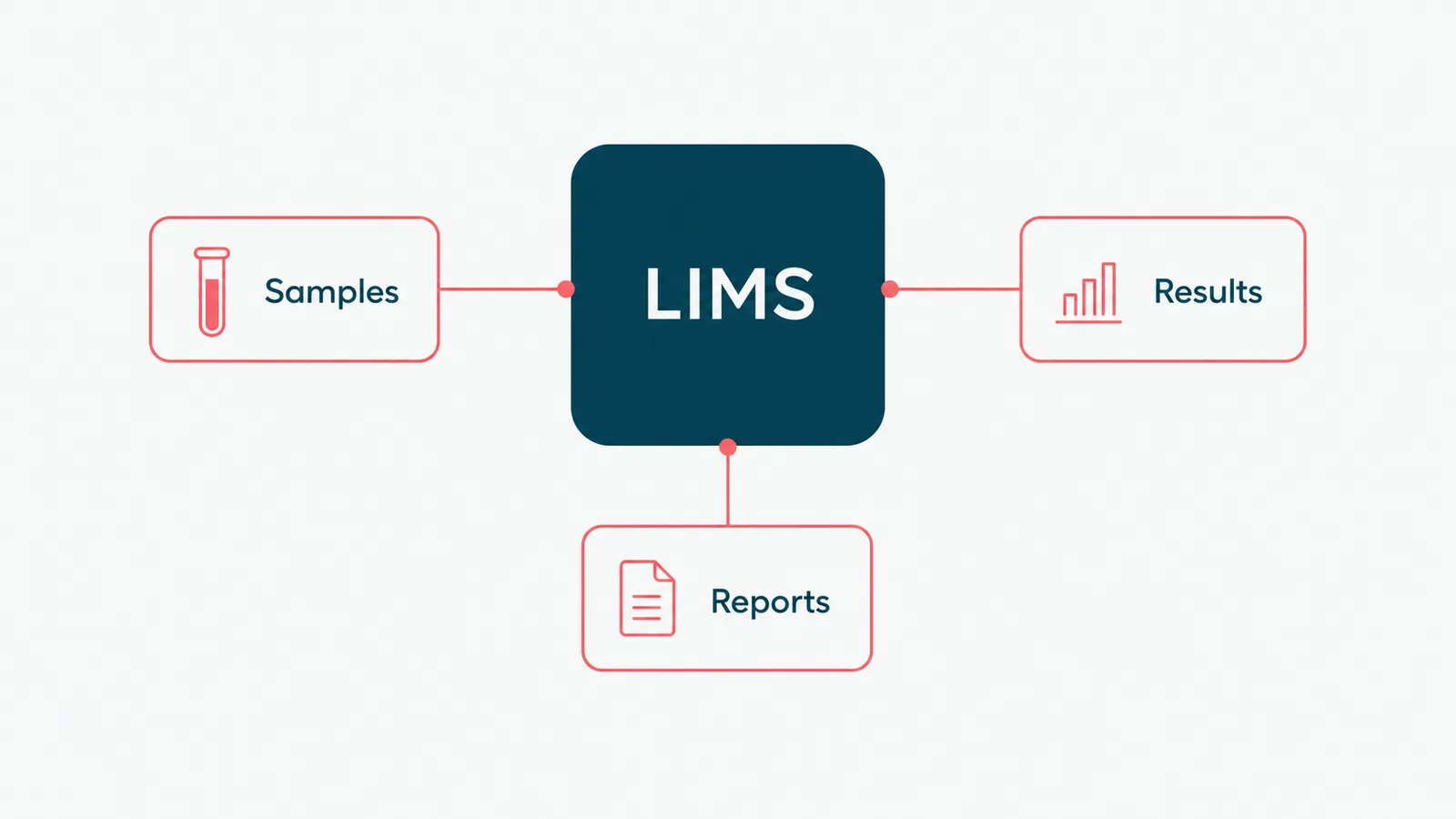
Your lab information management system should manage information. Most of them mostly manage your patience. If your team spends more time re-entering results into spreadsheets than actually running samples, the "system" part of LIMS is doing very little of the work.
This page is about building one that earns its name.
The short answer
Custom LIMS software development means building a sample tracking, workflow, and reporting system shaped to how your lab actually runs, not the other way around. We design the data model around your sample types and instruments, connect it to the hardware you already own, and build in the audit trail your regulators expect before they ask for it.
Off-the-shelf LIMS platforms are fine until your workflow has an edge case they weren't built for. Then you're either paying a vendor to "customize" their product (a process billed by the hour and paced by the quarter) or building a workaround in Excel that quietly becomes load-bearing infrastructure. Neither ends well. We build the system to fit the lab, not the lab to fit the system.
What "LIMS software development" actually means
LIMS is a broad label. Under it sits a specific set of engineering problems, and they're the reason generic project-management tools never quite work for a lab.
Sample tracking and chain of custody
Every sample needs a life story: where it came from, who touched it, what happened to it, and when. Barcode or RFID accessioning, chain-of-custody logging, and status tracking through each workflow step. This sounds simple until you have three sample types, five instruments, and a technician who swears the sample was logged (it was not).
Instrument and middleware integration
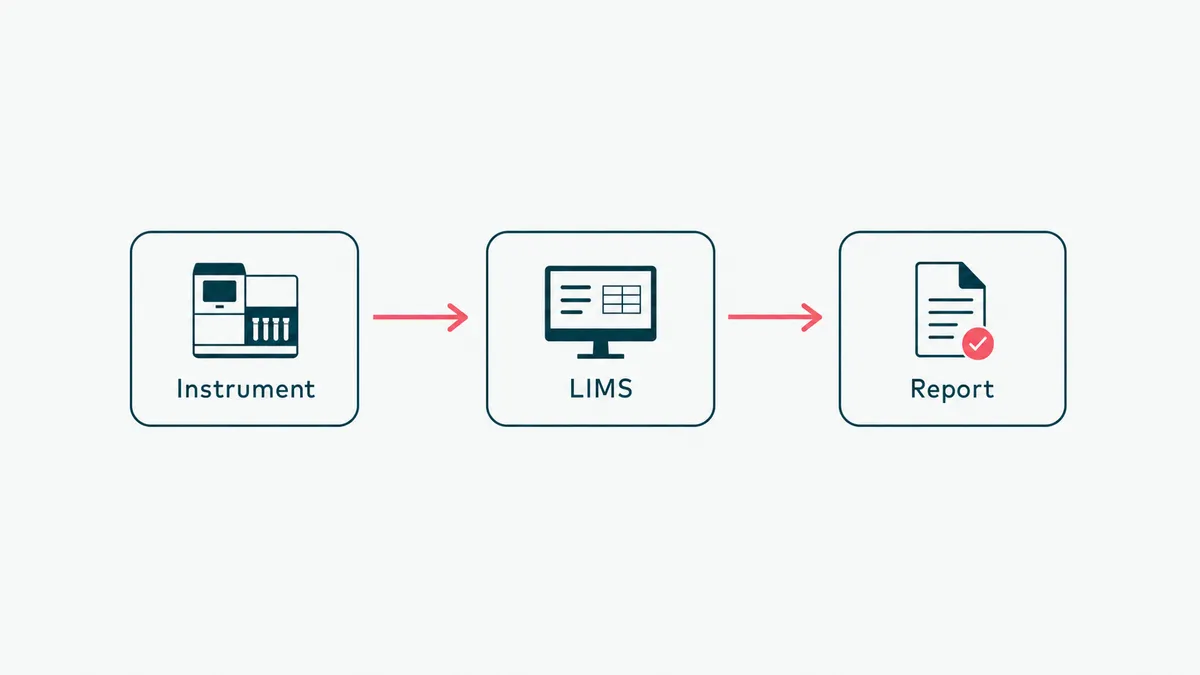
Your analyzers, sequencers, and readers speak their own dialects. HL7, ASTM, or a manufacturer's proprietary format that reads like it was designed to keep integrators employed. We build the middleware that pulls results straight off the instrument into the LIMS, so nobody's retyping numbers from a printout at 11pm.
Compliance, validation, and audit trails
CLIA, CAP, 21 CFR Part 11, HIPAA where patient data is involved. Full audit trails, electronic signatures, access controls, and validation documentation aren't features you bolt on later. They're structural. Build them in from the schema up and the compliance audit becomes a formality instead of a fire drill.
Off-the-shelf LIMS vs. custom-built LIMS
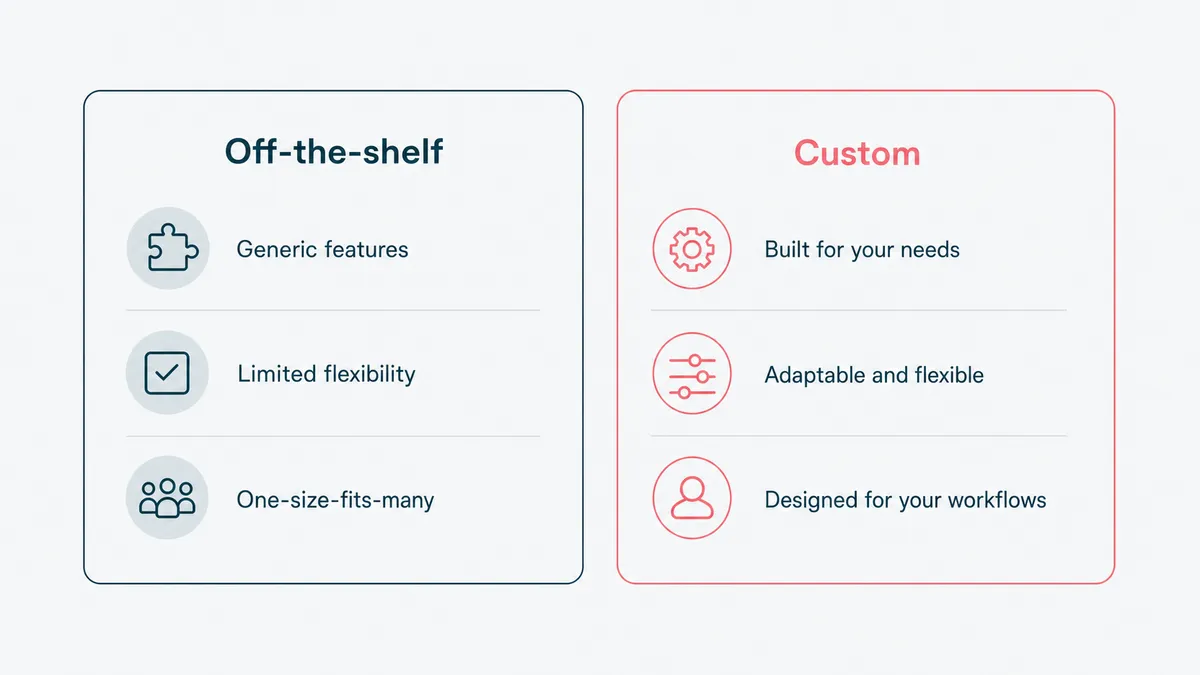
Buying a licensed LIMS platform is the quicker option on day one. It's also the option most likely to hand you a support ticket instead of a feature, the first time your workflow doesn't match its assumptions.
Here's the honest tradeoff:
A licensed platform gets you running fast and covers common lab types well. It charges per seat, per module, or both, and those costs compound the way tech debt does, quietly and then all at once. Customization usually means a vendor's professional-services team, on their timeline, at their rate.
A custom-built LIMS costs more upfront and takes longer to reach day one. From day one hundred, it's shaped exactly to your sample types, your instruments, and your reporting formats, and every dollar of ongoing spend goes toward features you asked for, not seats you didn't need.
The rule of thumb we give clients: if your lab runs a standard workflow with standard sample types, a licensed platform is the cleanest option. If your workflow is the reason your last LIMS vendor said "that's not really how the platform works," you've already found your answer.
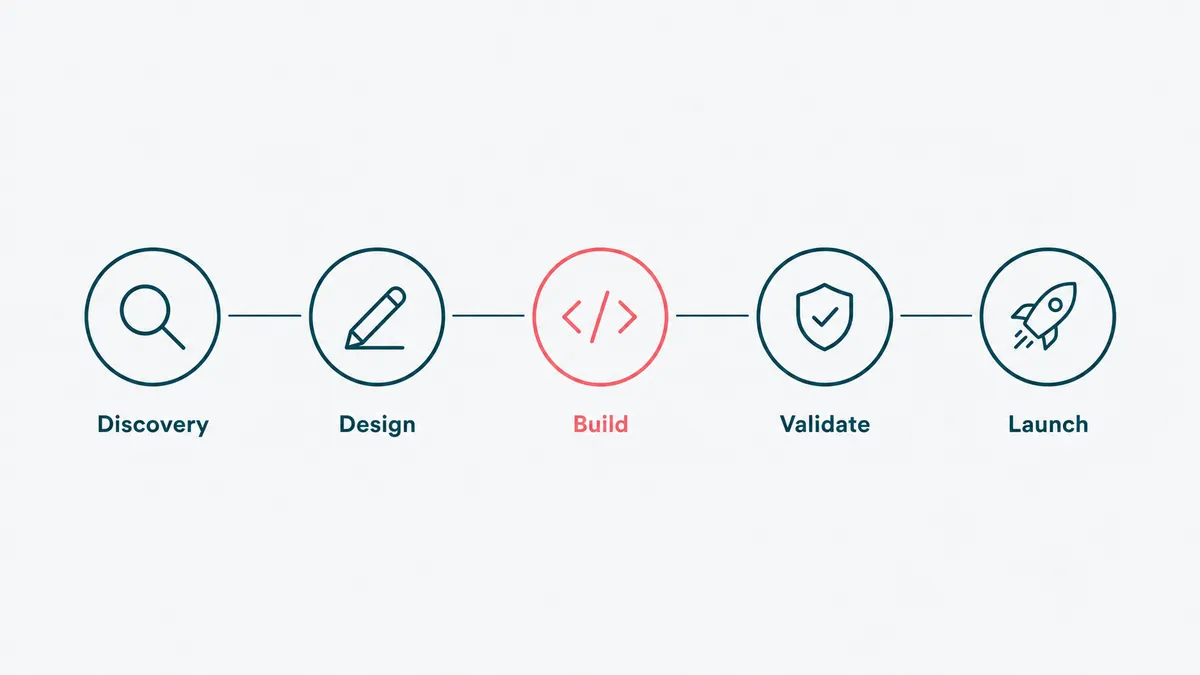
How we build a LIMS
We treat a LIMS build like the regulated software it is, which means the process matters as much as the code.
Discovery and architecture
We start by mapping your actual sample workflow, not the one in the vendor brochure you were sold five years ago. Sample types, instruments, result formats, who signs off on what, and where the data needs to end up (your LIS, your EHR, a state reporting portal that still, somehow, wants a fax).
From that map we design the architecture: the data model, the integration points, and the audit and access-control layer. On .NET and Azure, with HIPAA-aware infrastructure where patient data is involved, built to hold up under a validation review, not just a demo.
Phased delivery
We ship in stages. An MVP covering your core workflow first, tested with real samples and real technicians, then instrument integrations and reporting layered on. You get a working system in weeks, not a single reveal after a year of silence and a vendor deck. If Shawshank taught us anything, it's that the slow, unglamorous work behind the wall is what eventually sets you free. Same with a properly staged LIMS rollout.
Every release goes through code review and a release approval step before it touches production. Boring, on purpose. Boring is what you want from software that's under an audit.
When you don't need a custom LIMS
We'd rather tell you this now than bill you for finding out later.
If your lab runs one sample type, one workflow, and one instrument brand that already has solid LIMS support, a licensed platform will serve you well and cost less. If your spec is frozen, your workflow is standard, and you mainly need faster onboarding, custom development is solving a problem you don't have.
Custom development earns its cost when your workflow doesn't map cleanly onto a licensed product, when you're integrating instruments a vendor doesn't natively support, when your reporting needs to feed downstream systems in a specific format, or when you've outgrown a spreadsheet-plus-duct-tape setup that everyone privately calls "the process" and nobody trusts.
What it costs and how long it takes
Honestly, it depends on scope, and anyone who quotes you a number before discovery is guessing. A focused MVP covering core sample tracking and one or two instrument integrations typically runs from $60,000, with a working system in eight to twelve weeks. A full build with multiple instrument integrations, EHR or LIS connectivity, and validation documentation runs longer and higher, and we'll give you a real number after a discovery sprint, not before.
What we won't do is quote you a flat rate for "a LIMS" the way you'd quote a coat of paint. Labs are not identical, and pretending otherwise is how projects end up over budget and under-spec'd.
Related services
- Custom Healthcare Software Development
- HIPAA-Aware Application Development
- Legacy System Modernization
- Healthcare API Integration
- HL7 vs FHIR: what the difference means for your build
If your current LIMS has become a very expensive way to track spreadsheets, book a discovery call. We'll tell you honestly whether you need a custom build or just a better spreadsheet, and we promise to make at least one bad pun about sample tubes along the way.