Most "news" pages about automation are a press release in a trench coat. (This one tries not to be.) Here is what actually moved in workflow automation, why it matters, and what to do about it, kept current instead of frozen on its publish date.
This is the HighCraft workflow automation news desk: the platform launches, agent developments, funding, and adoption data worth your attention, each with a plain-English read on the so-what. We refresh the news monthly and the trends quarterly. If you only have a minute, the headline of 2026 is this: everyone is building agents, and almost nobody has finished building the controls.
Latest workflow automation news
July 2026. Reply published a breakdown of seven categories of AI agents designed to automate workflows in 2026. Knowing the distinct agent types helps teams pick the right architecture for a given task. (Reply)
July 2026. Varick Agents launched as an AI platform targeting enterprise workflow automation, covered by StartupHub.ai. Enterprise buyers now have another dedicated vendor option in a crowded but still maturing market. (StartupHub.ai)
July 2026. Perplexity introduced AI agents to Windows through a product called Personal Computer, as reported by The Tech Buzz. The move extends agent-based interactions to the Windows desktop, bringing them closer to where knowledge workers already spend their time. (The Tech Buzz)
June 2026. TechTarget reports that partial automation, rather than full end-to-end autonomy, represents the more realistic near-term value of AI agents. Workflows where humans handle edge cases and AI handles repetitive steps are showing the most traction. (TechTarget)
June 2026. Nasscom outlines how AI agents are reshaping enterprise automation in 2026, with organizations shifting from isolated software tools to interconnected agent-based systems that act across multiple workflows. The change affects how enterprises structure operations and allocate human oversight. (Nasscom)
June 2026. Robotics and Automation News reports that automation tools are moving beyond manufacturing into back-office functions such as finance, HR, and administration. This shift extends the reach of automation to knowledge work that has historically resisted it. (Robotics & Automation News)
June 2026. Microsoft's Power Platform update gave Power Automate desktop flows side-by-side version comparison and gave its agents a working memory, so a correction you make once now persists instead of evaporating. It also added policy controls over which AI tools a flow is allowed to call. The pattern worth noting is governance moving into the mainstream automation tool, not sold separately as an afterthought. (Microsoft Power Platform Blog)
May 2026. The workflow-automation platform n8n more than doubled its valuation to 5.2 billion dollars after SAP took a stake and agreed to wire n8n into its Joule agent platform. Eight months earlier n8n was valued at 2.5 billion. Capital is flowing hard into the layer that orchestrates AI agents across real business systems, which is exactly the layer most companies still stitch together by hand. (Tech.eu)
May 2026. UiPath brought agentic AI to its self-hostable Automation Suite, so regulated buyers can run agents inside their own infrastructure instead of a vendor's cloud. The target is the compliance wall, data sovereignty and standards like ISO 42001 and FedRAMP, that has kept government and healthcare from deploying agents at all. For anyone in a regulated vertical, on-premises is what opens the door, and the guardrails are the product. (UiPath Newsroom)
May 2026. At its Knowledge 2026 conference, ServiceNow expanded AI Control Tower into an enterprise-wide governance console for agents, with thirty new connectors, runtime observability, and risk frameworks mapped to NIST and the EU AI Act. The bet is that companies will run agents from many vendors and need one place to watch them all. The theme keeps repeating: the money is moving toward controlling agents, not just building them. (diginomica)
May 2026. Microsoft moved agent-to-agent communication and computer-using agents to general availability in Copilot Studio, alongside a visual designer for orchestrating them. Computer-using agents drive websites and desktop apps through the interface, the way a person would. Multi-agent orchestration just went from preview to something enterprises are expected to run in production. (Microsoft Copilot Blog)
January 2026. Deloitte surveyed 3,235 leaders and found about 74 percent of companies plan to deploy agentic AI within two years, while only 21 percent of them have a mature way to govern those agents. That gap is the whole story of the year. Almost everyone wants the agent, far fewer have built the controls that keep it from doing something expensive on a Tuesday. (Deloitte)
December 2025. ServiceNow closed its 2.85 billion dollar acquisition of Moveworks, bolting a front-end AI assistant and enterprise search onto its workflow engine. It is one of the largest pure agentic-AI deals so far. The big platforms are buying their way to an AI front door rather than waiting to build one. (Moveworks)
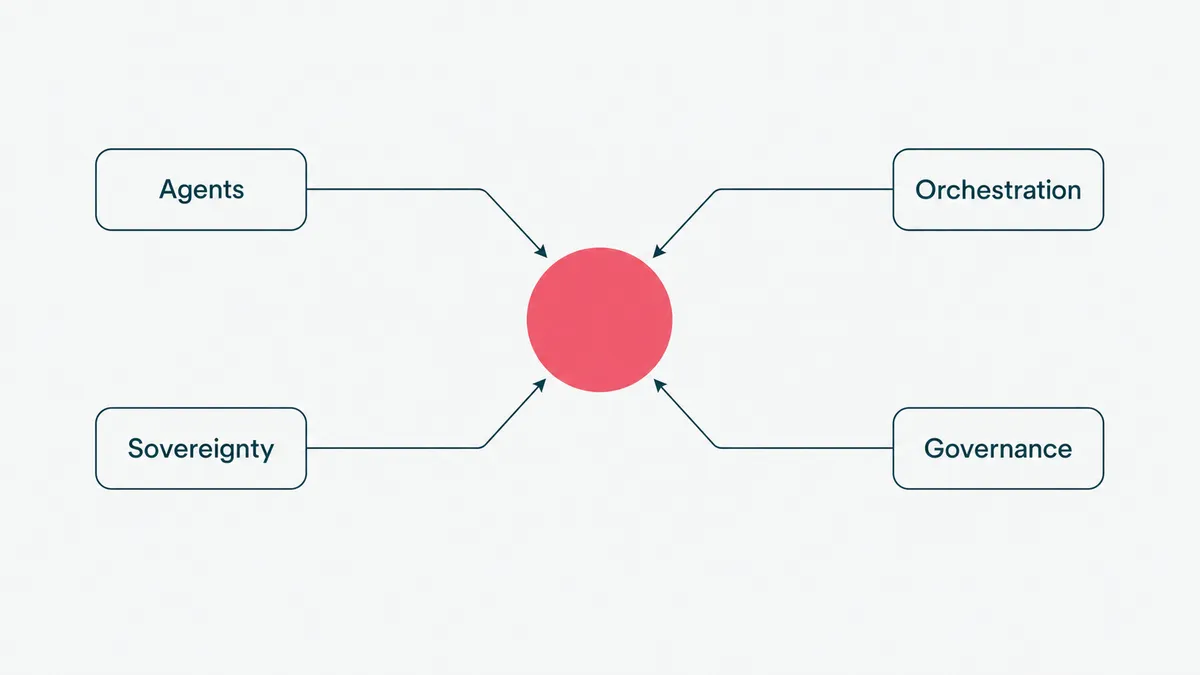
Key trends shaping automation in 2026
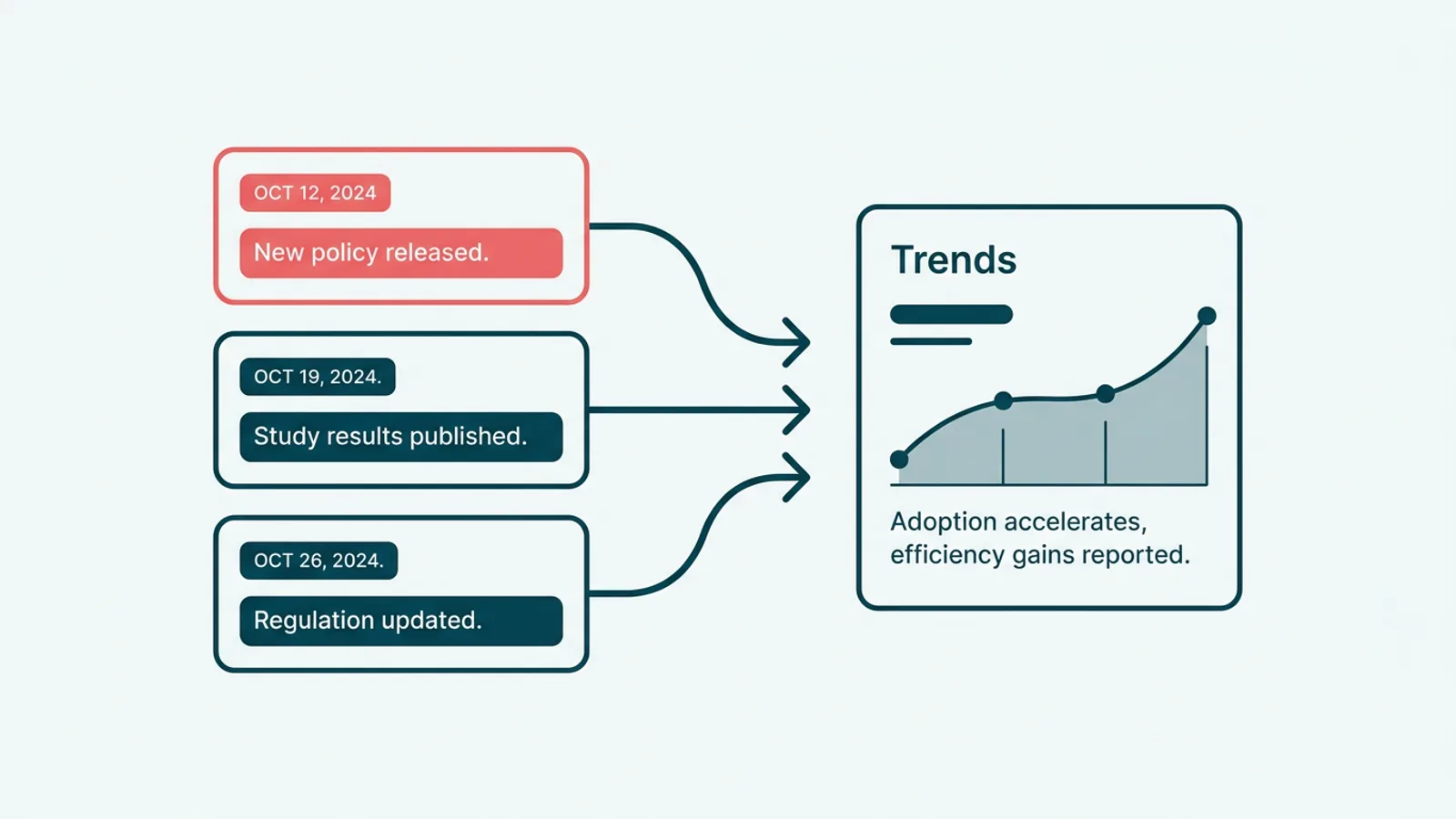
Read the news above as one story, not seven, and four trends fall out of it.
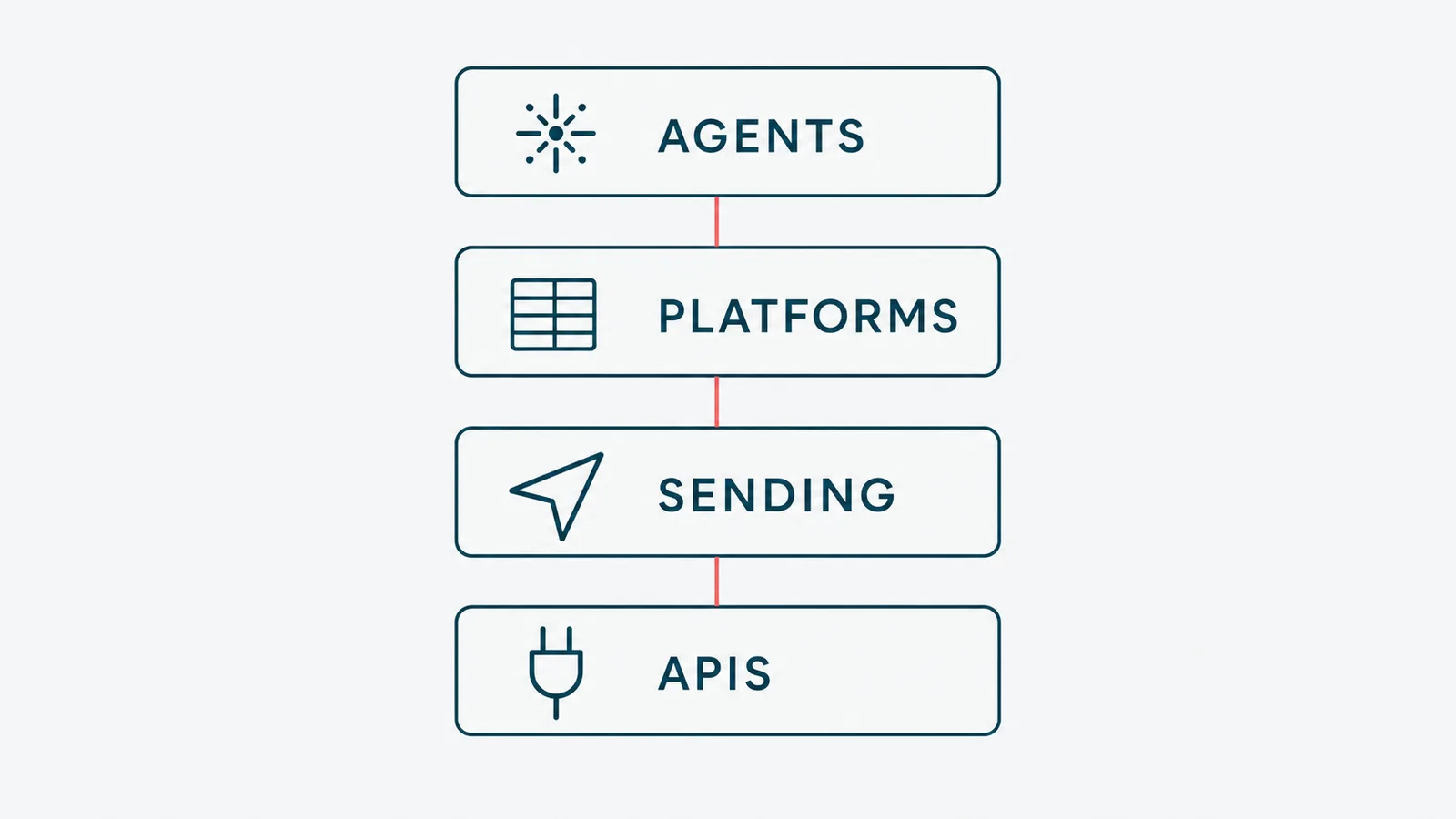
Agents moved from demo to default. Computer-using agents and agent-to-agent orchestration are now generally available in mainstream tools, which means "should we use agents" has quietly become "where, and with what controls." The orchestration layer became the prize. The capital is chasing the software that connects AI to your actual systems, the n8n and ServiceNow tier, because the model is the easy part and the wiring is the moat. Sovereignty went mainstream, with on-premises and self-hosted agents arriving specifically to clear the compliance wall in healthcare, finance, and government. And governance stopped being a slide and became a product, baked into the platforms rather than promised in a roadmap.
Underneath all four sits one number. Deloitte found roughly 74 percent of companies plan to deploy agentic AI within two years, and only 21 percent have mature governance for it. That is the defining gap of 2026, and it is also our long-held opinion stated as data: the bottleneck is not building an agent, it is controlling one. The teams that win this year are not the ones with the flashiest agent. They are the ones who put the permissions, evaluation, and human approval where the risk is, which is the same discipline behind a sober reference like the NIST AI Risk Management Framework.
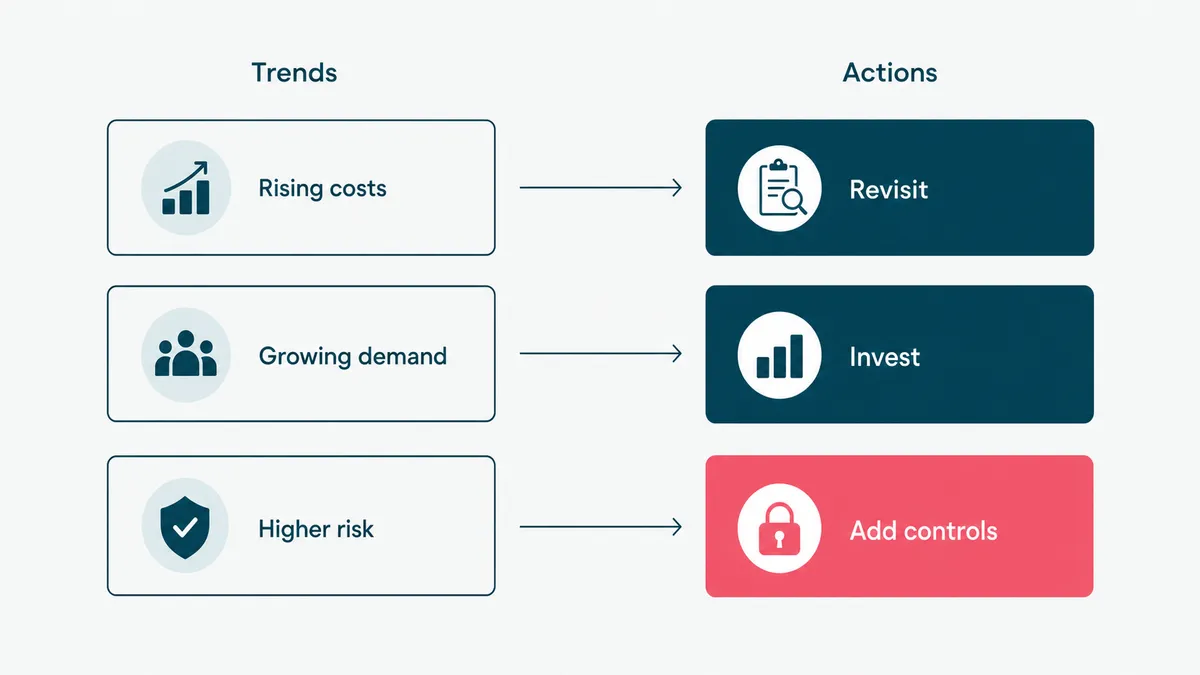
What this means for your business
You do not need to chase every headline. You need to read them for the one or two shifts that touch your operation, and ignore the rest with a clear conscience.
If you are regulated, the on-premises agent news is your green light to revisit a project you may have shelved as non-compliant. If you run a multi-tool stack, the orchestration and governance moves say to invest in the connective layer before you buy another point tool. And if you are anywhere on the 74-percent side of that Deloitte split, the honest next step is not a bigger model, it is the boring controls: scope the permissions, log the actions, and keep a person on the calls that carry real risk. That is the difference between automation you trust and a headline you regret. The deeper version of that argument is in how to build an AI agent, and the build-or-buy fork sits in our workflow automation and business process automation work.
One last note, because it is the point. This page keeps itself current through a workflow we built: it gathers automation news from primary sources, drafts each entry in our voice, and routes the draft to a person who approves it before anything publishes. An agent does the reading and the first draft. A human keeps the judgment and the publish button. That is not a coincidence, it is the whole thesis of this site, running on the page that reports it. If you want a workflow that does the same for the busywork eating your week, email us, and we will tell you honestly whether it is a weekend automation or a real build.